Does pico laser hurt? Toning prickles, spots and tattoos sting
Pico laser usually stings rather than hurts for long: toning feels like warm pinpricks, while spot and tattoo work snaps harder and gets numbing cream. A Seoul dermatologist on warning signs and who should wait.

Whether this treatment suits you needs a dermatologist to assess. Send a photo and your travel dates on WhatsApp, and we reply in English whether it can be arranged for your case and which days are open.
Ask us on WhatsApp
What does pico laser actually feel like?
Does pico laser hurt enough that you'd want someone to walk you back to the hotel, or is it something you sit through and then go to lunch?
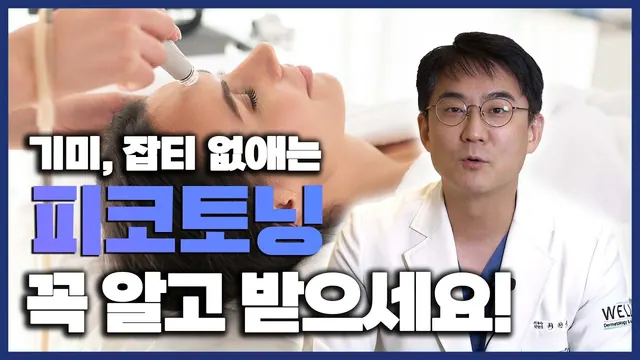
For most people it's a sharp sting that's gone when the pulses stop. Pico toning for melasma feels like warm pinpricks, while spot removal and tattoo work snap harder and usually get numbing cream first.
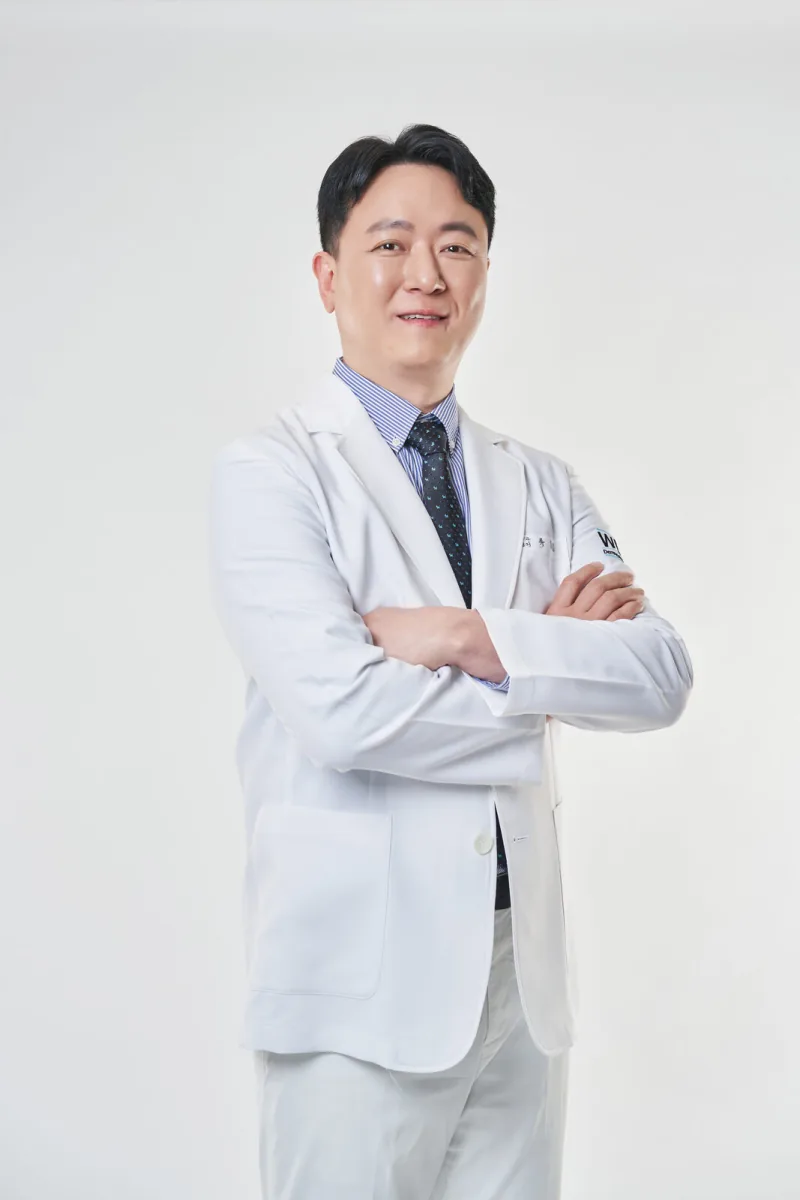
Hello, I'm Dr. Won Woo Choi, Medical Director at WELLS Clinic in Seoul. I'm a board-certified dermatologist, trained at Seoul National University Hospital.
Pain with a laser follows the energy setting, so it matters who sets it. Here a board-certified dermatologist handles your consultation, diagnosis and treatment, we've worked with PicoSure since 2015 (about 30,000 procedures), and you get a medical interpreter for your language at no extra charge, so when you say a pulse feels too hot, it's understood the first time.
If you're bracing yourself, send one daylight photo of the spots or patch you want treated on WhatsApp and ask which kind of pico treatment it sounds like, because that's what sets how much you'll feel. You can ask before you book anything.
Send a clear photo and your travel dates, and we will tell you what fits the time you have in Seoul.
Send a daylight photo of the area on WhatsAppOnline you'll find two camps: people who say pico barely tickles and people who call it the worst hour of their year. Both are usually telling the truth. They're describing different treatments that happen to share a laser.
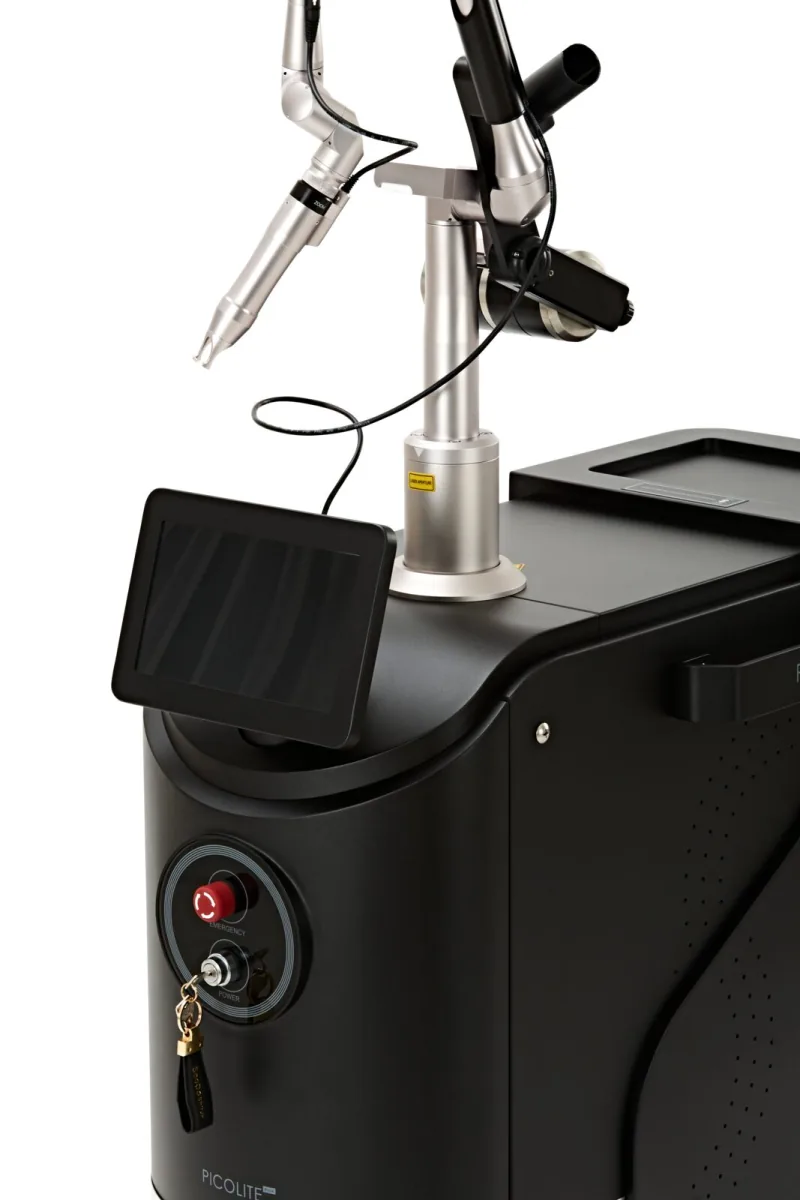
A picosecond laser fires pulses measured in trillionths of a second. The pico toning we use runs at 1064 nm and 755 nm, with pulses 1,000 times shorter than conventional laser toning, so pigment shatters with less heat spreading into the skin around it.
Each pulse feels like a thin rubber band flicked against the skin, with a small crackling sound. On low toning settings it's closer to warm static: you notice every pass, but you won't be gripping the chair. Afterward your face feels the way it does after a long afternoon outdoors without sunscreen: warm, a little tight and pink.
Three things set how much you feel: how dark the target is, how much energy goes in, and how thin the skin is over bone. The brand on the machine matters far less than those.
Worried about your own case? Let a dermatologist look first: send a photo and your dates, and we reply whether it can be arranged.
Ask us on WhatsAppDoes pico laser hurt more on a tattoo than on melasma?
Yes, by a wide margin. The laser releases its energy wherever it finds dark particles, so a dense black tattoo absorbs far more than a faint brown haze, and you feel the difference.
Roughly from mildest to sharpest:
- Melasma toning: low energy spread across the face. Many people manage it without numbing.
- Freckles and sun spots: PicoSure Pro's 755 nm wavelength targets melanin selectively, and each spot gets a sharp snap that lasts a second or two. Numbing cream makes it easy to sit through.
- Eyebrow tattoos: the brow sits over bone and close to the eye, and old brow pigment is often blue, red or gray. Our page on fading old eyebrow tattoos with pico lasers explains why those colors need their own wavelengths.
- Body tattoos: the most uncomfortable, especially over ankles, ribs and wrists. If you're planning ink removal, read how PicoSure tattoo sessions fit a trip to Seoul before you pick dates.
Risks and side effects to know
Thin skin over bone stings more on the face too: the upper lip, temples and jawline feel sharper than the middle of the cheek. If someone has already worked on that tattoo or those brows outside a dermatology clinic, mention it. Work done by non-specialists sometimes leaves marks that take longer to clear, and there may be scar tissue under the ink.
Numbing cream, cooling, and why I don't put you to sleep
Topical numbing cream is the usual comfort step for pico spot and tattoo work. It needs roughly 30 to 60 minutes on the skin to take effect, so it adds time to your visit; don't book a tight lunch right after. Cold air or an ice pack between passes takes the edge off the heat.
So does pico laser hurt enough to need sedation? For toning, no, and for spot work, rarely. We don't use sleep sedation where it isn't needed. For treatments that hurt more, the clinic has Air NOX, an oxygen and nitrous oxide system that calms you while keeping you awake.
Staying awake has a practical use. A pico pulse should feel sharp and then gone. If the sting turns into a deep, building heat that lingers after each pulse, say so right away. That's a sign the energy is higher than your skin wants, and you're the only one who can feel it.
Blisters, dark patches and white spots: when the sting means trouble
The normal aftermath is short. After toning, pinkness and warmth usually settle within hours. After spot treatment, each spot turns darker and forms a fine crust that flakes off in about a week; leave it alone. Around the eyes there can be mild swelling for a day or two.
The less common problems show up later, which is why they catch travelers off guard:
- Darker patches a few weeks out. This is post-inflammatory hyperpigmentation: irritated skin makes extra pigment. It's more likely in darker skin types and after more heat, and it usually fades over months with steady sun protection.
- Melasma getting worse. The American Academy of Dermatology notes that laser and light treatments can sometimes make melasma darker, which is why I keep melasma energy low and spread sessions out.
- Pale, blotchy spots. Very frequent, repeated toning over a long stretch can leave small white spots where pigment cells were overworked. Sensible gaps between sessions lower that risk.
- Blisters or a burn. Uncommon at pico settings. Pain that builds over the hours after treatment, instead of fading, is the warning sign.
How your skin reacts differs from person to person, so plan for what to do if it reacts after you land. Photograph the area every day in the same window light, keep up sunscreen, and don't pick at crusts.
If you see blistering, oozing, spreading redness or you run a fever, see a doctor at home that day, and send the same photos on WhatsApp with the date of your session. Before you leave Seoul, ask for a short written note of which laser and wavelength were used, so the doctor at home knows what they're looking at.
Who should wait before booking?
Sometimes the sting is the smaller concern and the skin's reaction afterward is the bigger one. Most dermatologists would postpone pico treatment if:
- you're pregnant or breastfeeding, since elective laser work can wait;
- you have an active cold sore, rash or infection in the area;
- you've taken isotretinoin for acne in recent months (advice on how long to wait differs, so bring the dates);
- you have a fresh tan, a sunburn, or a peel or laser session in the last few weeks;
- you form keloids, or every scratch leaves you a dark mark for months;
- your melasma is currently red and irritated from strong creams.
A brown patch that looks like melasma can also be a sun spot, post-inflammatory darkening, or a deeper birthmark such as ABNOM, and each gets a different setting. Patches that look alike can have different causes and stages, so getting the diagnosis right decides the treatment, and with it how much the session stings.
If one of those lines sounds like you, or you aren't sure, list it in your first WhatsApp message: the medicine and when you stopped it, the recent peel, the tattoo already treated elsewhere. Then ask whether your travel dates still work around it.
Send a clear photo and your travel dates, and we will tell you what fits the time you have in Seoul.
Send a daylight photo of the area on WhatsAppPlanning your Seoul days around the sting
Say you're 58, flying in from Calgary for ten days with your adult daughter, with a scatter of flat brown spots on your left cheek and a faint haze across both. The spots and the haze are likely two separate problems. The spots are the sharper sting, a second or two each under numbing cream, and they crust for about a week, so I'd want them treated in your first days and the crusts gone by the flight home.
The haze is the real question. If it turns out to be melasma, it's a gentle series: the analysis I presented at the Korean Dermatological Association meeting followed five sessions of combined pico treatment. On a ten-day trip that means a beginning, plus a plan for the months between visits.
A few practical points for the days themselves:
- The clinic is open Monday to Friday 10:00–20:00 and Saturday 10:00–17:00, closed Sundays and holidays, with lunch from 13:00 to 14:00. Numbing time counts, so leave room for it in your morning.
- Skip the jjimjilbang sauna, hot yoga and long hot showers for a couple of days afterward; heat on freshly treated skin is exactly what you're trying to avoid.
- Pack a wide-brimmed hat. Seoul's spring and summer sun is strong, and freshly treated spots darken easily.
- Flying after pico is fine. Cabin air is dry, so carry moisturizer and reapply sunscreen if you sit by the window.
For how a full pico visit runs and how to time it against your flights, see choosing a pico laser clinic in Korea and planning around flights. If melasma toning becomes the plan, our page on laser toning cost in Korea and what changes it covers the listed price and why a series is planned the way it is.
What should you ask any clinic before the laser fires?
- Who sets the energy on the day: a dermatologist, or someone else?
- What do you think this patch is, and how did you decide?
- Which wavelength will you use on it, and why that one?
- What comfort options are there, and will I be awake to tell you when it's too hot?
- If I blister or darken after I fly home, who do I contact, and can I take a note of the settings with me?
It doesn't have to be us. Wherever you book, those five answers tell you more about how the session will feel than any review of the laser itself.
My own view is that pain during pico is a dial, and on pigment the lower dial is usually the wiser one. I would rather plan an extra gentle session than send you home sore and darker. Nothing here needs deciding tonight.
When you're ready, send your arrival and departure dates on WhatsApp with that daylight photo, and ask which day of your trip a session should fall on. How much it will sting comes down to what that brown mark really is: melasma, a sun spot or something deeper. WELLS Clinic is at 8F Apgujeong B/D, 842 Nonhyeon-ro, Gangnam-gu, Seoul, a five-minute walk from Apgujeong Station (Line 3) Exit 3.
— Dr. Won Woo Choi, Medical Director · M.D., Ph.D.
Plan your visit before you fly
Send a daylight photo, your travel dates and what you have tried before. A dermatologist will suggest where to start and what fits your stay.
Send a daylight photo of the area on WhatsAppReplies on WhatsApp · prices in KRW, including 10% VATBefore you message us
Does pico laser hurt more on the second or third session?
For melasma toning it usually feels about the same each time, because the settings stay low. With tattoos, later sessions often feel a little easier as the ink thins and less pigment absorbs the energy. If a later session suddenly feels much hotter than the first, say so before the next pass.
How long does the redness last after a pico session?
After toning, pinkness usually fades within a few hours, and many people wear makeup the next day. Treated spots darken and crust for about a week. The fractional picosecond treatment used for scars and pores works differently: any redness usually clears in 3–4 days.
Can I take a painkiller before the appointment?
Many people take acetaminophen (paracetamol) beforehand without trouble. Aspirin and anti-inflammatory painkillers can make pinpoint bleeding a little more likely, especially in tattoo work, so mention them instead of taking them on your own. Don't stop a medicine you take regularly without asking the doctor who prescribed it.
Is pico toning the same thing as PicoSure?
They're related. PicoSure Pro is a 755 nm picosecond laser used for spots, tattoos and, with its Focus tip, skin texture. Pico toning is a low-energy way of treating the whole face at 1064 nm and 755 nm, mainly for melasma and diffuse pigment, which is why it feels milder.
Can I fly the day after a pico session?
Usually yes. Cabin air dries the skin, so moisturize, keep sunscreen on near the window, and leave any crusts alone. The bigger timing question is the sun where you're going: fresh spots need steady protection for the first few weeks.
Results and recovery vary by individual. Every treatment carries possible side effects, which are explained at the consultation. Prices are in Korean won, including 10% VAT, and confirmed at your consultation. This article is general information from the clinic, not a diagnosis.
See the treatment in detail, or ask us
You can ask whether it suits your case, which dates are open, and about language support.
Message us on WhatsAppDr. Won Woo Choi
- Board-certified dermatologist in Korea; trained at Seoul National University Hospital
- Dermatology residency, Seoul National University Hospital; board certification in dermatology in Korea
- Ph.D. in Dermatology, Seoul National University
- Former clinical instructor, Seoul National University Hospital
- Adjunct professor, Department of Dermatology, Seoul National University Hospital
Medically reviewed by Dr. Won Woo Choi
Full profile