Tattoo removal Korea: PicoSure sessions and how to plan your trip
How picosecond tattoo removal works at WELLS in Seoul, why it takes several sessions, and how to line those sessions up with your travel dates.
Tattoo removal Korea: can one trip to Seoul be enough?
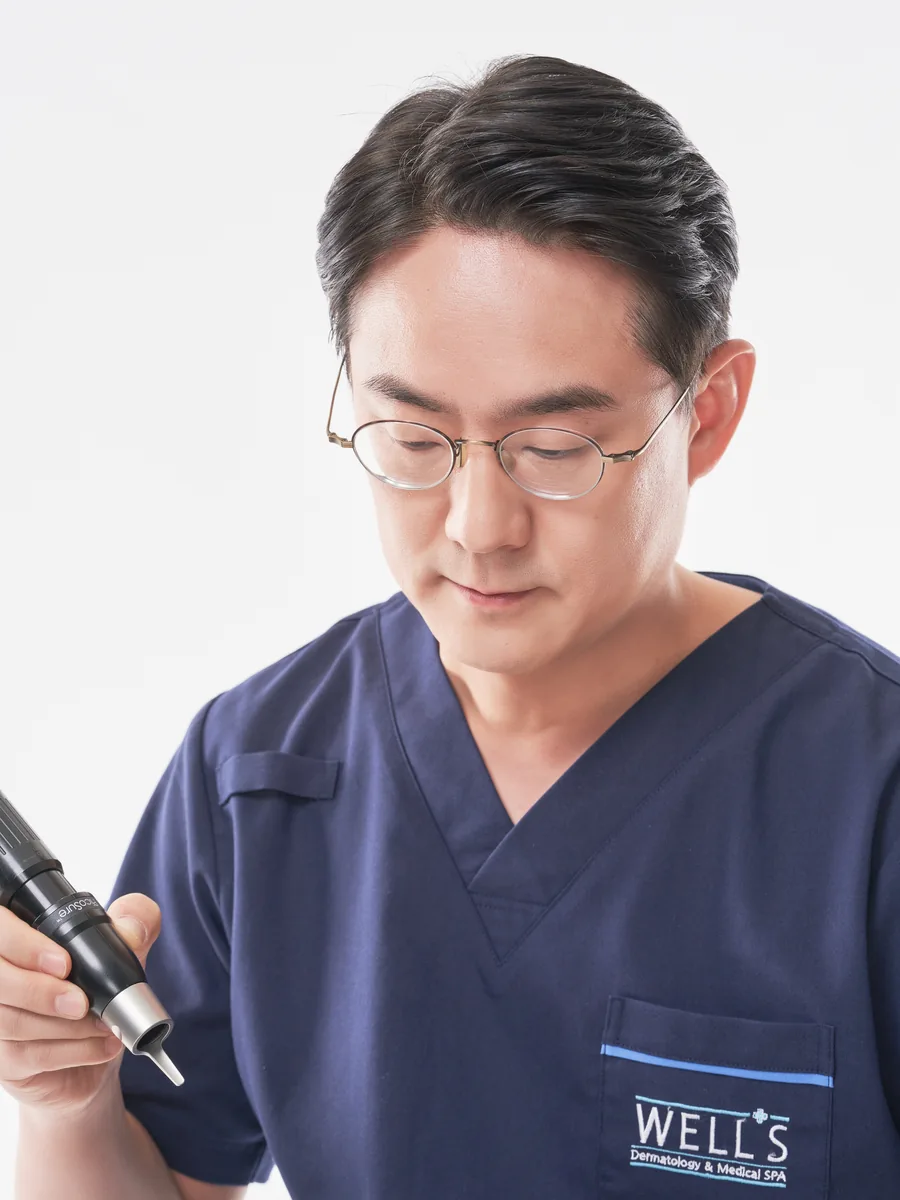
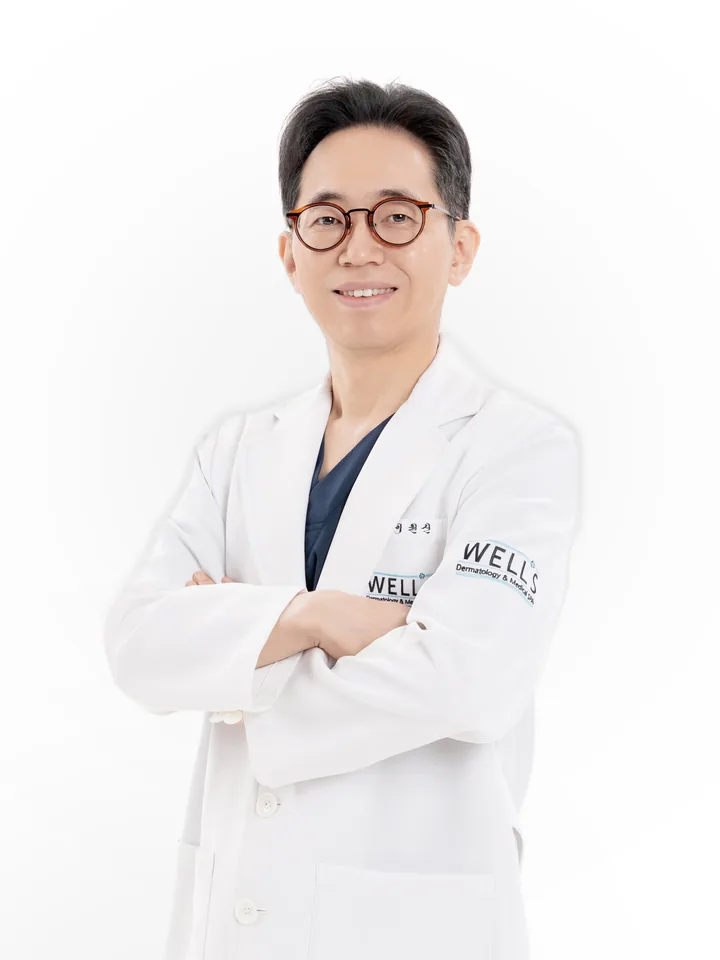
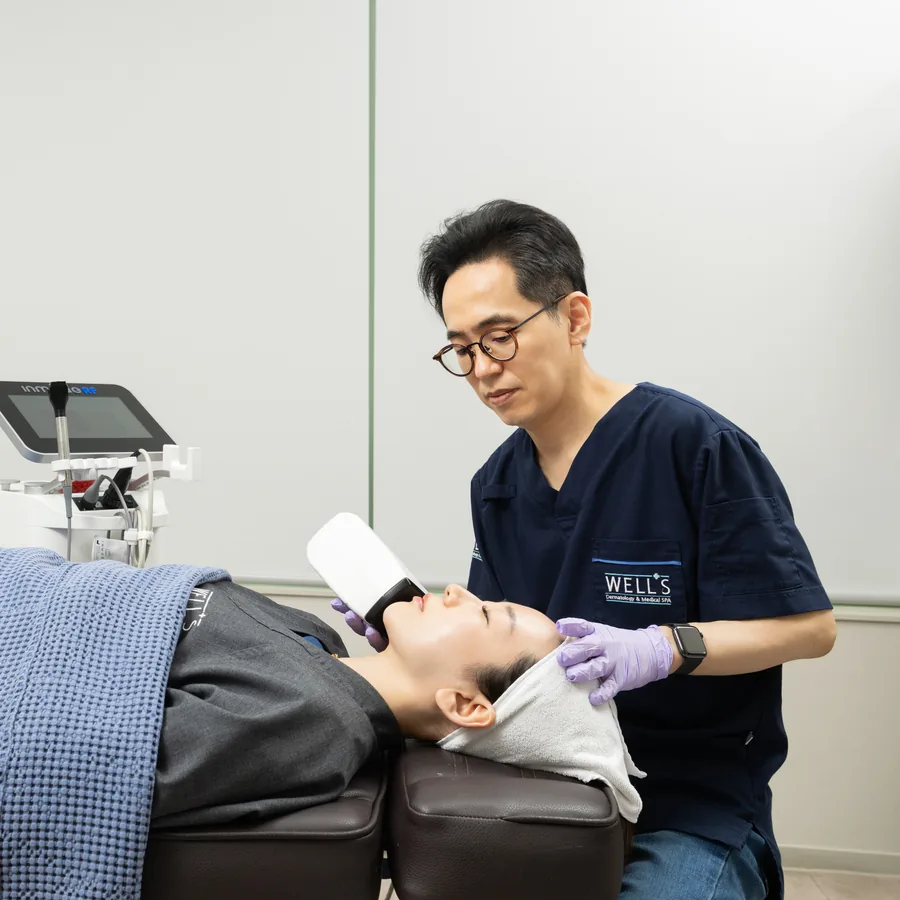
Hello, I'm Dr. Won Sin Lee, a board-certified dermatologist trained at Asan Medical Center in Seoul, and I am a chief director at WELLS in Apgujeong. In this post I will explain how we remove tattoos with picosecond lasers, why the work is split into sessions, and how I would plan those sessions around flights.
If you are searching tattoo removal Korea, you probably have a tattoo you are finished with and a trip to Seoul on the calendar. The real question is whether the two can line up. My honest answer: laser tattoo removal is rarely a one-visit job, but a Seoul visit can be a good place to start it, or to continue it.
Nothing here replaces seeing your skin. Ink colour, density and depth differ from tattoo to tattoo, and that is what decides how many visits you will need. What I can give you is the logic, so you can plan with realistic expectations.
How PicoSure laser tattoo removal breaks down ink
A tattoo is ink sitting in the dermis, below the surface. A laser cannot pull it out. What it can do is shatter the ink into particles small enough for the body's own clean-up system, the immune cells and lymphatic vessels, to carry away.
At WELLS we use picosecond lasers for this. Picosecond pulses are 1,000 times shorter than older Q-switched lasers, so ink is broken more finely while less energy reaches the surrounding skin. Older lasers tend to crack pigment into gravel-sized pieces; a picosecond pulse breaks it closer to sand. Smaller particles are generally easier for the body to clear, which is why picosecond treatment usually needs fewer sessions overall.
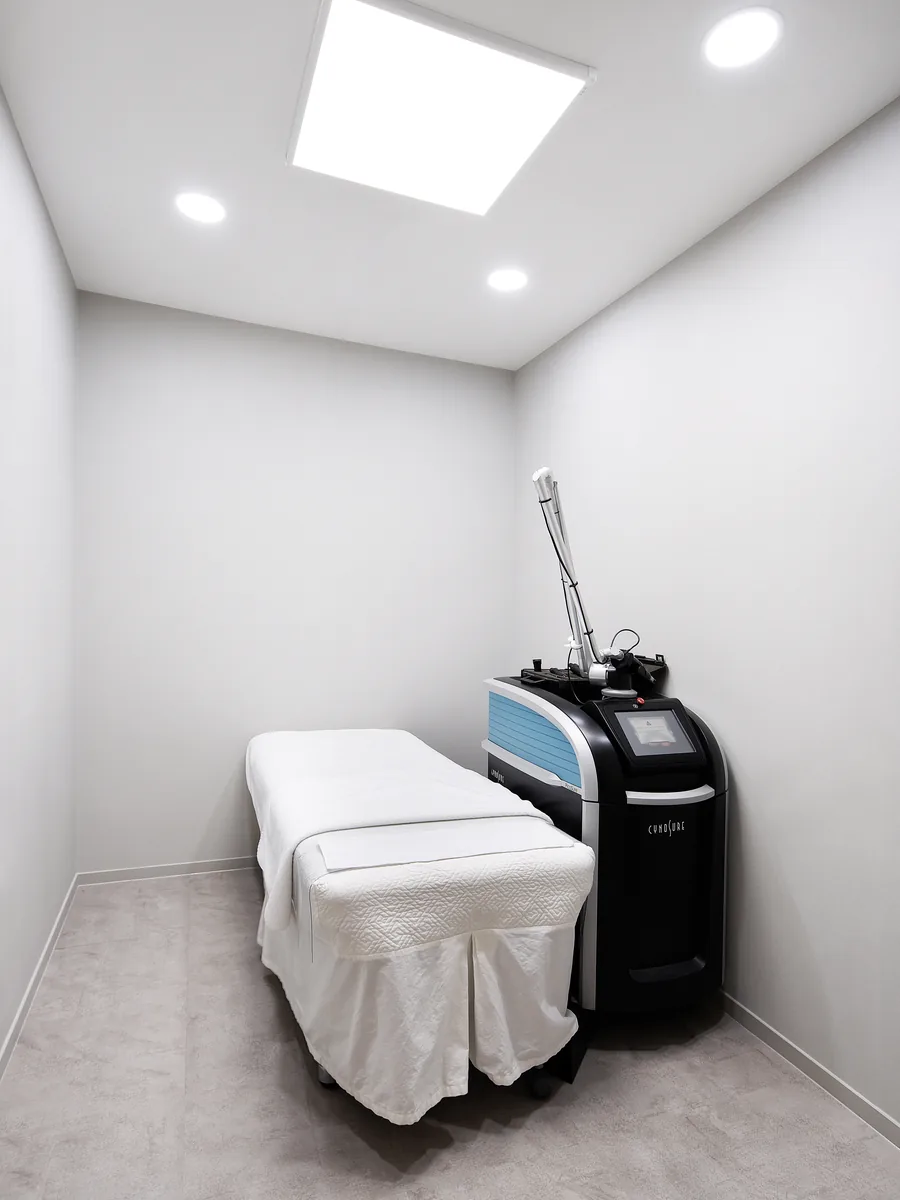
Our main device is PicoSure Pro, a 755 nm picosecond laser that is FDA and KFDA approved. It is combined with 1064 nm and 532 nm wavelengths, because black, blue, red and green inks each respond to a different wavelength.
| Wavelength | What it is used for |
|---|---|
| 1064 nm | Reaches the dermis; used for black and deep ink |
| 532 nm | Superficial red and lighter-coloured ink |
| 755 nm (PicoSure) | Colours that other wavelengths tend to leave behind |
Because all of these wavelengths are available in one clinic, a multi-coloured tattoo can be treated in the same visit without sending you elsewhere for the stubborn colours. You can read the full outline on our tattoo removal page.
Tattoo removal by session: why it takes several visits
People often ask me for a number of sessions before I have seen the tattoo. I understand why, but I cannot give one honestly over a message. The number of sessions is set by the dermatologist after looking at the ink and skin.
Each session shatters a portion of the ink. Then the body needs time to carry those fragments away, and the tattoo fades between visits rather than on the day. Firing more energy in a single visit does not shortcut that clearance; it mainly raises the risk to the skin.
What changes the count is fairly predictable. Dense professional work usually needs more visits than a light amateur tattoo. Deep ink takes longer than superficial ink, and some colours respond more slowly than black.
- Ink colour: black, blue, red and green each need their own wavelength.
- Ink density: heavily packed work carries more pigment to clear.
- Ink depth: deeper ink generally takes longer to fade.
- Your skin: the dermatologist adjusts energy to your skin type and how it responded last time.
Session spacing vs trip planning: three realistic ways to use a Seoul visit
Because the body clears ink between treatments, sessions are spaced weeks apart, not days. That makes it unwise to try to fit a whole course into one holiday. Instead, I suggest choosing the pattern that matches how often you are in Seoul.
- One trip, first session. Start removal while you are here, then continue at home or on your next visit. The first session also tells us how your ink responds.
- Regular visits to Seoul. If you come back for work or family, we line each session up with your trips and the dermatologist checks the gap is long enough.
- A longer stay. If you are in Korea for an extended period, we can plan several sessions at the interval the dermatologist recommends.
Whichever pattern fits, the interval itself is a medical decision. Tell us your dates and the dermatologist will say whether a second session within that window makes sense, or whether it is better to wait.
Send a photo of the tattoo and your travel dates, and we will tell you how a first session could fit your trip.
Send a photo, get a planKorean eyeliner tattoo and eyebrow tattoo in Korea: removal is a different job
A lot of people searching for an eyebrow tattoo in Korea, or an eyebrow tattoo in Seoul, are looking to have brows applied. WELLS does not apply semi-permanent makeup. What we do is remove it, including an old Korean eyeliner tattoo or brows that have faded to the wrong colour.
Semi-permanent pigments are usually blue, red or grey, and they need different wavelengths from a black body tattoo. They also sit on the face, close to the eye, so the approach is more conservative. Our permanent makeup removal page explains how we target only the abnormal pigment, which keeps the risk of scarring or discolouration low.
If someone without medical training has already tried to remove your brows or liner, tell us. That kind of earlier work sometimes leaves marks that take longer to treat, and the dermatologist should see it before anything else is done.
What a tattoo removal visit to WELLS looks like
The process is simple and can be planned entirely in English. Consultations at the clinic are in English, and so are our replies on WhatsApp and Instagram.
- Message us on WhatsApp with a photo of the tattoo and your travel dates. We reply with options and available times.
- At the clinic, a dermatologist examines the ink and skin, chooses the wavelengths and confirms the plan and price.
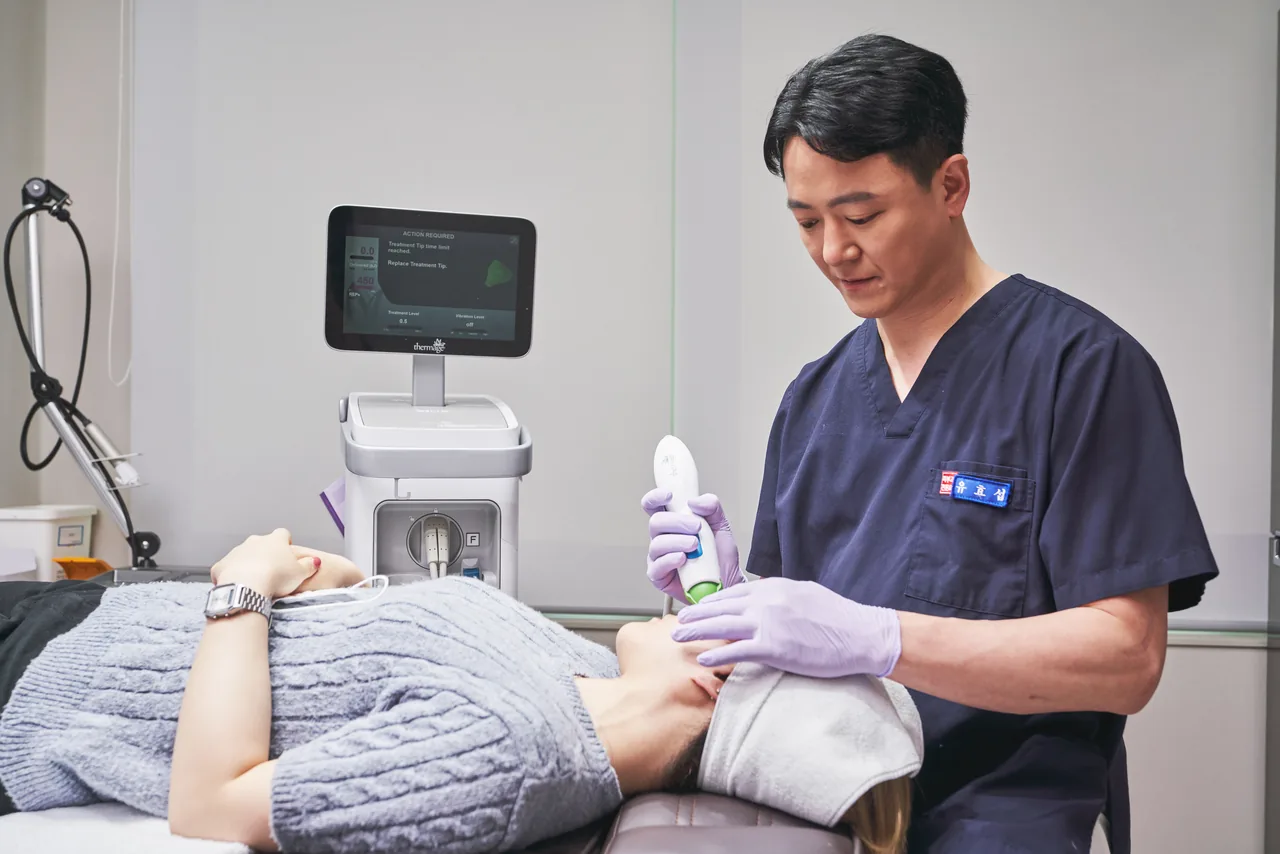
- Treatment takes place in the same clinic, by a board-certified dermatologist.
- You leave with aftercare instructions and can reach us on WhatsApp afterwards.
My residency and board certification in dermatology were at Asan Medical Center, where I am also an adjunct professor of dermatology. Earlier in my career I directed the Bokji Dermatology Clinic of the Korean Leprosy Welfare Association and served as a regional supervisor for leprosy control with the KCDC. You can read about each of us on the doctors page.
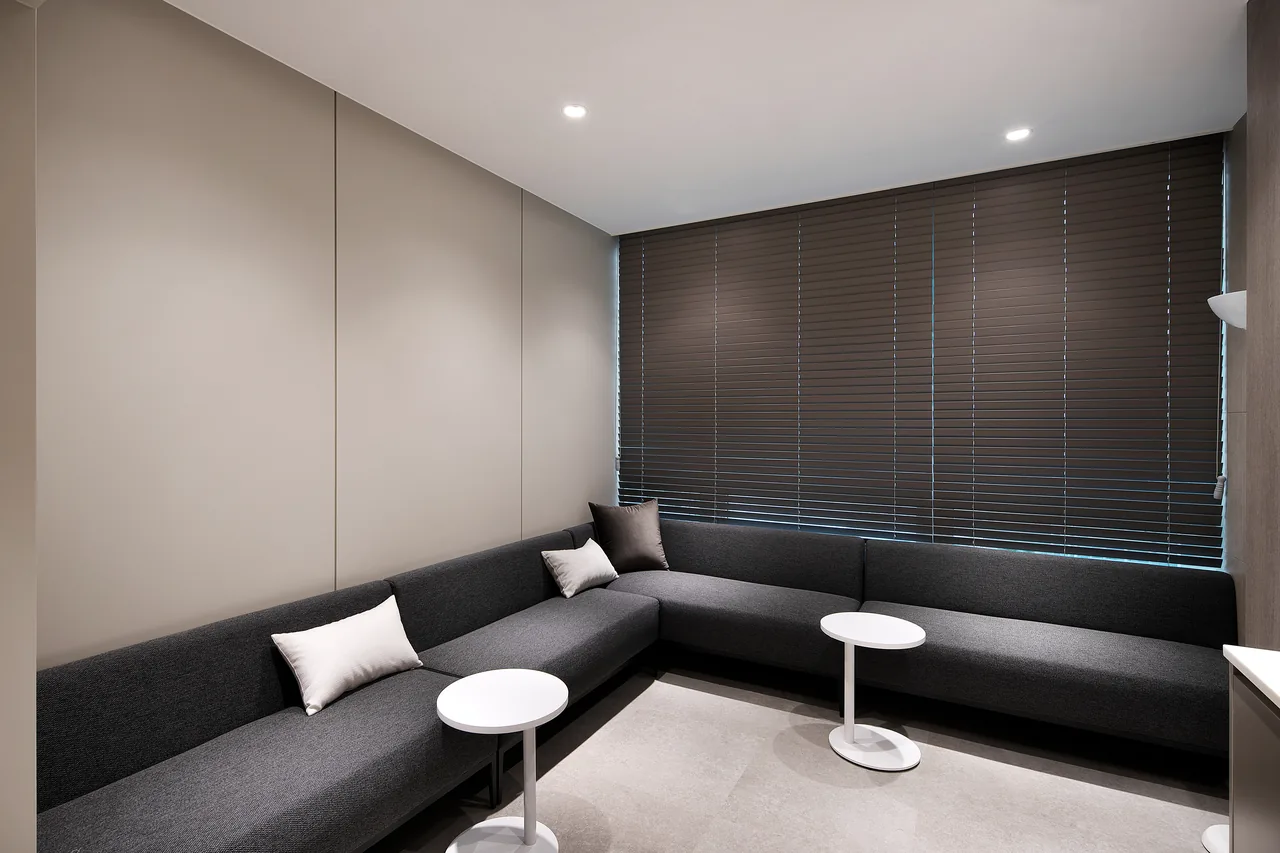
WELLS is on the 8th floor of the Apgujeong Building, 842 Nonhyeon-ro, Gangnam-gu, about five minutes on foot from Apgujeong Station Exit 3 on Line 3. Directions and photos of the rooms are on our clinic page.
Tattoo removal Korea price: what WELLS confirms at consultation
For tattoo removal, the price is confirmed at your consultation. There is no honest flat figure, because the cost follows the size of the tattoo, the colours involved and how many sessions it is likely to need.
If you send a clear photo with something for scale and tell us the colours, we can explain how the dermatologist is likely to approach it before you travel. The final plan and price are confirmed in person, before anything starts. All our tattoo and makeup removal options are on the tattoo removal overview.
Aftercare when you fly home after laser tattoo removal
Skin is more vulnerable for a while after any laser, so aftercare matters as much as the treatment. The dermatologist gives you instructions for your specific tattoo, but the general rules look like this.
- Use sunscreen of SPF 30+ and PA+++ or higher on treated skin that is exposed, and reapply every 2–3 hours when outdoors.
- Keep the area moisturised with a gentle, plain product.
- For about a week, avoid saunas, jjimjilbang, alcohol and vigorous exercise that heat the skin.
- Skip peels, scrubs, retinol and high-strength vitamin C on the treated area for about a week.
Flying itself is rarely the issue; what matters is how the skin looks on your last day here. Tell us your flight dates on WhatsApp and the dermatologist will advise how to schedule the session. If you are also curious about pico lasers for pigment, our post on pico laser in Korea covers that side, and foreigner-friendly skin clinics in Seoul explains how international visits work more broadly.
Not sure how many sessions your tattoo will need? Send a photo and your dates and the dermatologist will give you a realistic starting plan.
Ask about my tattooIf the tattoo is semi-permanent makeup on the brows, see eyebrow tattoo removal in Korea.
Send a photo and your dates. A dermatologist will plan your first session.
Tell us about the tattoo, its colours and when you will be in Seoul. You will get a realistic plan for how removal could fit your trip, and available times.
Message the clinic on WhatsAppReplies on WhatsApp · prices in KRW, excluding 10% VATBefore you message us
How many sessions does tattoo removal take?
It depends on the ink colour, density and depth, and on your skin. The dermatologist sets the number of sessions after examining the tattoo. Picosecond lasers generally need fewer sessions than older Q-switched lasers, but most tattoos still need several.
Can I finish tattoo removal in Korea in one trip?
Usually not. Sessions are spaced weeks apart so the body can clear the broken-down ink. Many visitors start removal in Seoul and continue on later visits or at home.
Which laser does WELLS use for tattoo removal?
PicoSure Pro, a 755 nm picosecond laser that is FDA and KFDA approved, combined with 1064 nm and 532 nm wavelengths so black, blue, red and green inks can all be treated.
How much does tattoo removal cost at WELLS?
The price is confirmed at your consultation, because it depends on the size, colours and likely number of sessions. Send a photo on WhatsApp for an initial view before you travel.
Can you remove an eyebrow or eyeliner tattoo done in Korea?
Yes. WELLS removes semi-permanent makeup with picosecond lasers chosen for blue, red or grey pigments. We do not apply eyebrow tattoos.
Results and recovery vary by individual. Every treatment carries possible side effects, which are explained at the consultation. Prices are in Korean won, excluding 10% VAT, and confirmed at your consultation. This article is general information from the clinic, not a diagnosis.
Dr. Won Sin Lee
- Board-certified dermatologist in Korea; trained at Asan Medical Center in Seoul
- Dermatology residency, Asan Medical Center; board certification in dermatology in Korea
- Adjunct professor, Department of Dermatology, Asan Medical Center
- Former director, Bokji Dermatology Clinic, Korean Leprosy Welfare Association
- Commendation for Outstanding Service as a Public Health Physician