PicoSure vs Fraxel: what each one can't fix, and the days it costs you
PicoSure is a picosecond laser for pigment and ink; Fraxel is a fractional laser for texture and scars, with more visible downtime. A Seoul dermatologist compares who each suits, the risks and what decides the cost.

Whether this treatment suits you needs a dermatologist to assess. Send a photo and your travel dates on WhatsApp, and we reply in English whether it can be arranged for your case and which days are open.
Ask us on WhatsApp
How the two lasers work on your skin
Comparing PicoSure vs Fraxel because you have a week in Seoul and can't tell which one will leave you hiding behind sunglasses for half of it?
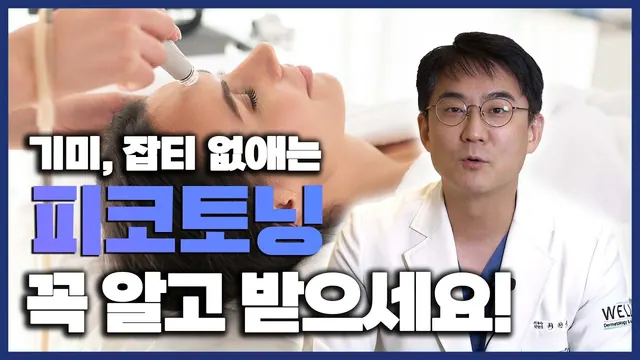
They treat different things. PicoSure is a picosecond laser built to break up pigment and ink, while Fraxel is a fractional laser built to resurface texture, scars and fine lines, and it usually costs you more days of visible redness and flaking.
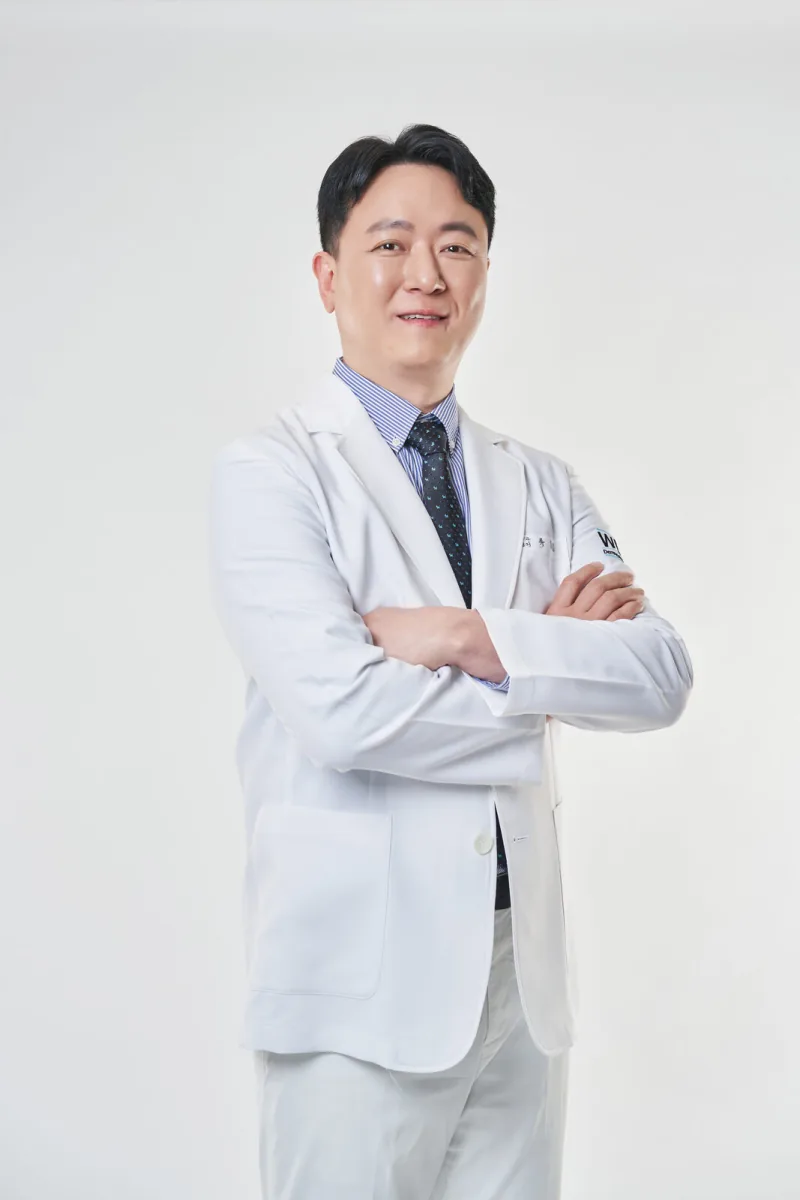
Hello, I'm Dr. Won Woo Choi, Medical Director at WELLS Clinic in Seoul, and a board-certified dermatologist with a Ph.D. in Dermatology from Seoul National University.
Fraxel isn't a device we list, so I can compare it without a stake in the answer. We've used PicoSure since 2015, about 30,000 procedures, and for texture the fractional options on our menu are Fractional Picosecond Laser Treatment and the Mosaic fractional laser. A board-certified dermatologist handles your consultation, diagnosis and treatment, and you get a medical interpreter for your language at no extra charge.
If you can't tell whether your problem is pigment, texture or both, send one daylight photo of your face on WhatsApp and ask which of the two it looks like. You can ask before booking anything.
Send a clear photo and your travel dates, and we will tell you what fits the time you have in Seoul.
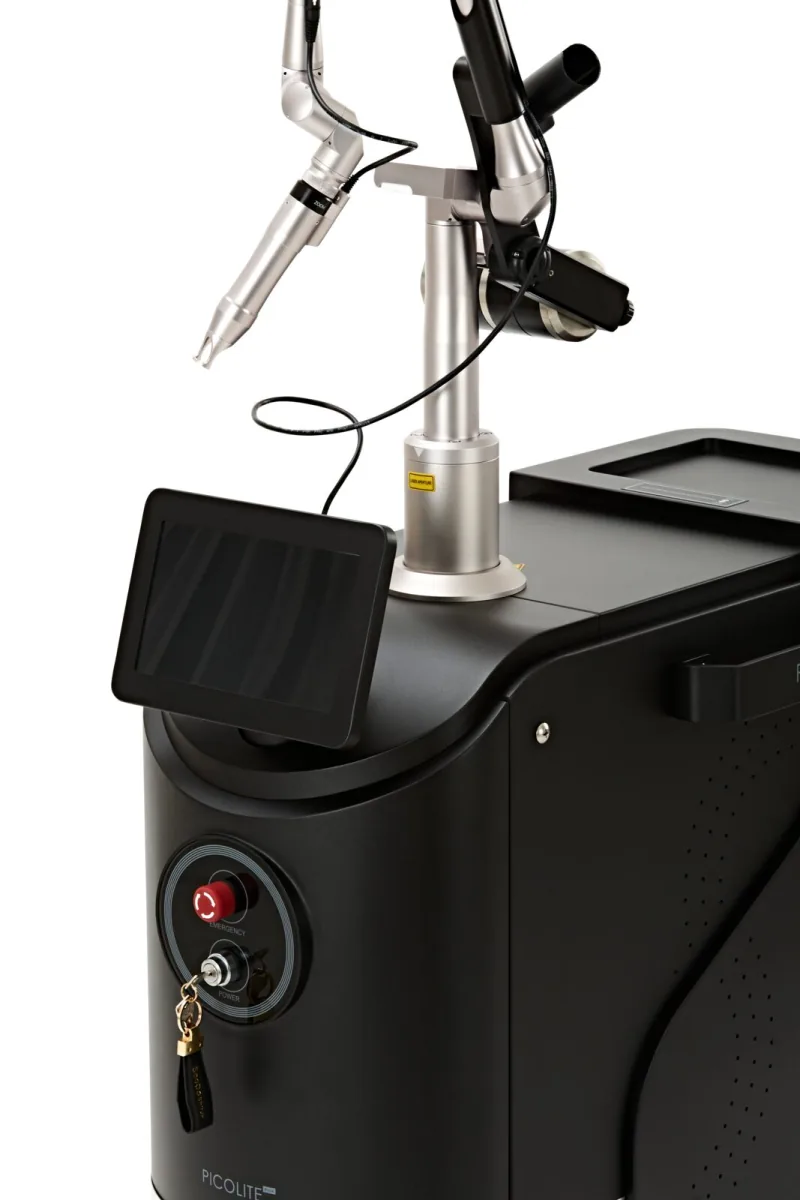
Ask on WhatsApp which laser fits your skinA pico laser fires pulses so short, trillionths of a second, that pigment breaks apart from pressure more than from heat. The ink or melanin shatters into fine particles your body clears over the following weeks. PicoSure Pro's 755 nm wavelength targets melanin selectively, and it's combined with 1064 nm and 532 nm to reach black, blue and red pigments at different depths.
A fractional laser works more like aerating a lawn. It drills thousands of microscopic columns of heat into the skin and leaves bridges of untouched skin between them, and those bridges heal each column from the sides. Each session treats only part of the surface, which is why fractional resurfacing is usually a series of several sessions spaced about a month apart.
Most Fraxel vs PicoSure confusion comes from brand names hiding the mechanism. Fraxel is a family of fractional lasers with more than one wavelength: the 1550 nm version works deeper, on texture and scars, while the 1927 nm version works near the surface and can lighten sun damage. PicoSure, for its part, has a Focus tip that stimulates the skin's own collagen, so each one reaches a little into the other's territory.
Worried about your own case? Let a dermatologist look first: send a photo and your dates, and we reply whether it can be arranged.
Ask us on WhatsAppPicoSure laser vs Fraxel: which one for spots, melasma, scars or pores?
Weighing the two as a contest of strength misses what matters. Each one aims at a different target, and the right choice starts with naming yours.
| What you see | Pico laser (PicoSure Pro, pico toning) | Fractional laser (Fraxel-type) |
|---|---|---|
| Freckles, sun spots | Targets the pigment directly; spots crust and flake | The 1927 nm setting lightens surface spots over sessions |
| Melasma | Low-energy pico toning, as a series | Heat can provoke melasma; used cautiously, if at all |
| Tattoos, old brow ink | Wavelengths for black, blue, red and green ink | Not a tattoo tool |
| Shallow acne scars, pores | Fractional pico; redness usually clears in 3–4 days | A core use, with longer visible downtime |
| Deep, rolling scars | Limited on its own | Helps over several sessions; deep scars often need filling too |
Brown marks that look alike can have different causes and stages, and that's the step people skip when they choose a laser by name. A freckle, a patch of melasma and the dark mark an old pimple left behind can sit side by side on one cheek, and each one gets a different setting.
For ink, only the pico side applies. Our page on how PicoSure tattoo sessions are planned around a Seoul trip covers the spacing, and what changes from one tattoo session to the next shows why ink fades in stages.
How many days of downtime does each one take from a short trip?
On a short trip, downtime decides more than the result does. Here is what each option usually looks like in the mirror:
- Pico toning: pink for a few hours; most people wear makeup the next day.
- PicoSure on spots: each spot darkens and forms a fine crust that flakes off in about a week.
- Fractional picosecond treatment: it works inside the dermis with almost no heat damage to the surface, so there's no oozing and no artificial skin, and any redness usually clears in 3–4 days.
- Fraxel-type non-ablative fractional: redness and swelling for a few days, then a rough, bronzed, sandpaper texture that flakes over roughly a week.
Both families ask for strict sun protection afterward, and neither pairs well with a beach holiday straight after.
Say you're 26, flying in from Melbourne for six days, with freckles across your nose and a few shallow scars on your cheeks from your teens. I'd treat the freckles with PicoSure early in the trip so the crusts are well on their way by your flight.
For the scars, one fractional pico session is a sensible start that leaves you presentable within a few days, but texture changes slowly, over sessions spaced weeks apart. I wouldn't put heavy fractional resurfacing into six days of sightseeing in summer sun.
Send your arrival and departure dates on WhatsApp with the one concern you'd most like gone before you fly home, and ask how many of those days a session would take out of your plans.
Send a clear photo and your travel dates, and we will tell you what fits the time you have in Seoul.
Ask on WhatsApp which laser fits your skinWhat we use for texture and scars instead of Fraxel
For shallow acne scars and enlarged pores, the starting point here is Fractional Picosecond Laser Treatment. It creates tiny pockets of optical breakdown (LIOB) inside the dermis to remodel it while the surface stays largely intact, which is why its downtime fits a trip more easily than surface-wounding resurfacing.
Deeper scars need more than one device. Mosaic fractional laser, microneedle RF, Aquapeel and the Clarity dual laser are combined according to scar type and pore condition, and Juvelook, a KFDA-approved mix of PLA and hyaluronic acid, fills depressed scars immediately while stimulating collagen. Results are shown to you with a dermatoscope, so you can see the skin surface up close.
Not every texture complaint is a scar. If your skin looks dull, dry and finely lined, a Rejuran skin booster works on hydration and fine lines without a laser. If what bothers you is loosening along the jaw, neither laser lifts it, and Thermage vs Ultherapy is the comparison to read.
Dark patches, cold sores and melasma flares: the risks of each laser
The expected reactions pass. Pico treatment leaves redness for hours, fine crusts over treated spots, and sometimes mild swelling near the eyes for a day or two. Fractional treatment brings redness, swelling and itching first, then bronzed flaking for about a week.
The less common problems need more thought:
- Post-inflammatory darkening: skin that's been irritated produces extra pigment weeks later. It's more likely in darker skin and after more heat, so fractional work generally carries more of this risk than low-energy pico, and it usually fades over months with sun protection.
- Melasma flares: heat can make melasma darker, which is why I keep melasma on low-energy pico toning.
- Cold sores: if you get them, facial fractional treatment can set off an outbreak; doctors often prescribe an antiviral beforehand, so mention it.
- White, blotchy spots: very frequent toning over a long stretch can leave pale spots where pigment cells were overworked.
- Infection or scarring: rare, and usually linked to picking or broken skin.
Postpone either laser if you're pregnant or breastfeeding, have an active cold sore or infection in the area, took isotretinoin in recent months, have a fresh tan, sunburn or recent peel, or tend to form keloids.
Healing speed differs from one person to the next, so the plan for home matters. Take a photo each morning in the same light, wear sunscreen daily, and let crusts and flakes come off on their own. Blistering, oozing, spreading redness or fever means a same-day visit to a doctor at home; before leaving Seoul, ask for a note of the laser, wavelength and settings so that doctor can see exactly what was done.
What decides the cost of PicoSure in Korea?
The quote for your case turns on a handful of things:
- The mode: toning, spot treatment, fractional pico or tattoo work.
- The area: a few spots on one cheek versus the full face, or for tattoos, the size and number of ink colors.
- The number of sessions: melasma toning and scar work are planned as a series.
- What's combined: for deep scars, Juvelook or microneedle RF may sit alongside the laser.
- Your days in Seoul: how many sessions actually fit before you fly.
Ask on WhatsApp what it would cost for your case; the daylight photo and the number of days you'll be in Seoul are what that answer turns on. The deposit and how you pay are worked out after the consultation, so put both questions in the same message.
Which questions should any clinic be able to answer?
- Is this brown mark melasma, sun damage or post-acne darkening, and how did you tell?
- Which laser and which mode for each problem, and in what order?
- Who sets the energy and operates the laser?
- How many sessions, how far apart, and how many fall within my trip?
- Is a medical interpreter available, and does it cost extra?
- If my skin darkens or blisters after I'm home, how do I reach you, and can I leave with a note of the settings?
Ask them wherever you end up booking. Clear answers are worth more than the name on the device.
Where I stand: the name on the machine shouldn't make this decision. Pigment belongs to a pico laser, texture to fractional work, and when you have both, I'd treat them in an order that keeps your skin calm. None of this has to be settled before you book a flight.
Send your travel dates on WhatsApp and ask which of those days could carry a session without costing you the rest of the trip. What decides your plan is whether the marks on your cheeks are pigment, scar or both, and how deep the scar edges sit. WELLS Clinic is at 8F Apgujeong B/D, 842 Nonhyeon-ro, Gangnam-gu, Seoul, five minutes on foot from Apgujeong Station (Line 3) Exit 3.
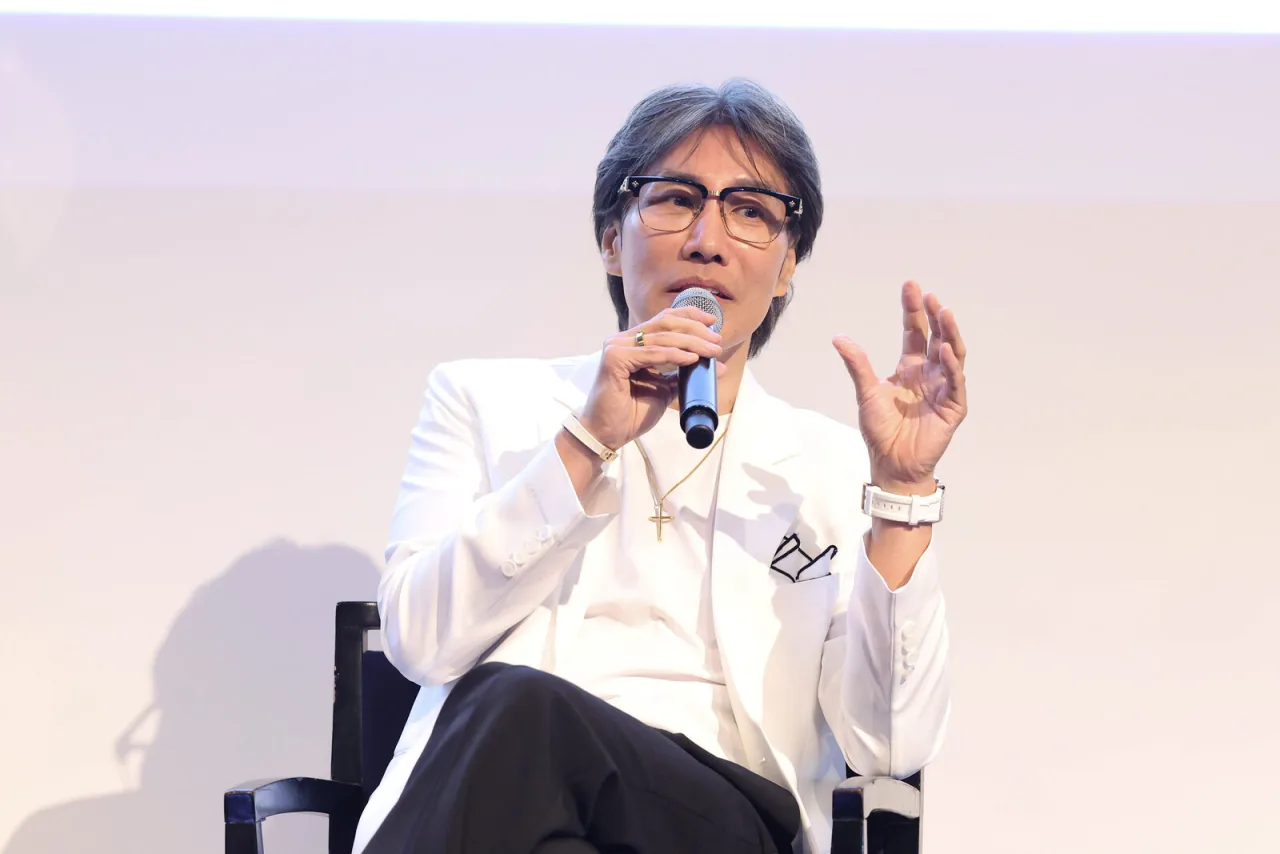
— Dr. Won Woo Choi, Medical Director · M.D., Ph.D.
Plan your visit before you fly
Send a daylight photo, your travel dates and what you have tried before. A dermatologist will suggest where to start and what fits your stay.
Ask on WhatsApp which laser fits your skinReplies on WhatsApp · prices in KRW, including 10% VATBefore you message us
Is PicoSure vs Fraxel a different decision for darker skin?
It carries more weight. Darker skin makes extra pigment more readily after irritation, so the heat a treatment delivers matters more. Pico's short pulses put less heat into the skin around the target; fractional treatment can still be used, usually at lower density, with longer gaps between sessions and sun protection taken seriously.
Is Fraxel available at WELLS Clinic?
No. The fractional options we list are Fractional Picosecond Laser Treatment and the Mosaic fractional laser, combined with microneedle RF and other treatments according to the scar. If you've had Fraxel before, mention how your skin reacted; it's useful history.
Can I have pico and fractional treatment on the same trip?
Sometimes, on different days or different areas. When pigment and scars share the same cheek, settling the pigment first and adding heat later is the more cautious order, which can mean the scar work starts on a later visit.
Will PicoSure make my skin peel?
Not in sheets. Toning leaves no visible peeling for most people, and treated spots form small crusts that come away one by one. Sheet-like flaking is more typical of fractional resurfacing.
Does PicoSure help acne scars?
Shallow scars and enlarged pores can improve gradually with fractional pico over a series. Deep, tethered or rolling scars usually need more: a filler such as Juvelook for the depression, or fractional and microneedle RF work, combined according to scar type.
Results and recovery vary by individual. Every treatment carries possible side effects, which are explained at the consultation. Prices are in Korean won, including 10% VAT, and confirmed at your consultation. This article is general information from the clinic, not a diagnosis.
See the treatment in detail, or ask us
You can ask whether it suits your case, which dates are open, and about language support.
Message us on WhatsAppDr. Won Woo Choi
- Board-certified dermatologist in Korea; trained at Seoul National University Hospital
- Dermatology residency, Seoul National University Hospital; board certification in dermatology in Korea
- Ph.D. in Dermatology, Seoul National University
- Former clinical instructor, Seoul National University Hospital
- Adjunct professor, Department of Dermatology, Seoul National University Hospital
Medically reviewed by Dr. Won Woo Choi
Full profile