Is pico laser painful? Briefly, but lasting pain is a warning
For most people pico laser is a quick, snapping sting that stops when the laser stops. Toning prickles; spot and tattoo work sting more. Pain that builds afterward, or blisters, is not the normal part.

Whether this treatment suits you needs a dermatologist to assess. Send a photo and your travel dates on WhatsApp, and we reply in English whether it can be arranged for your case and which days are open.
Ask us on WhatsApp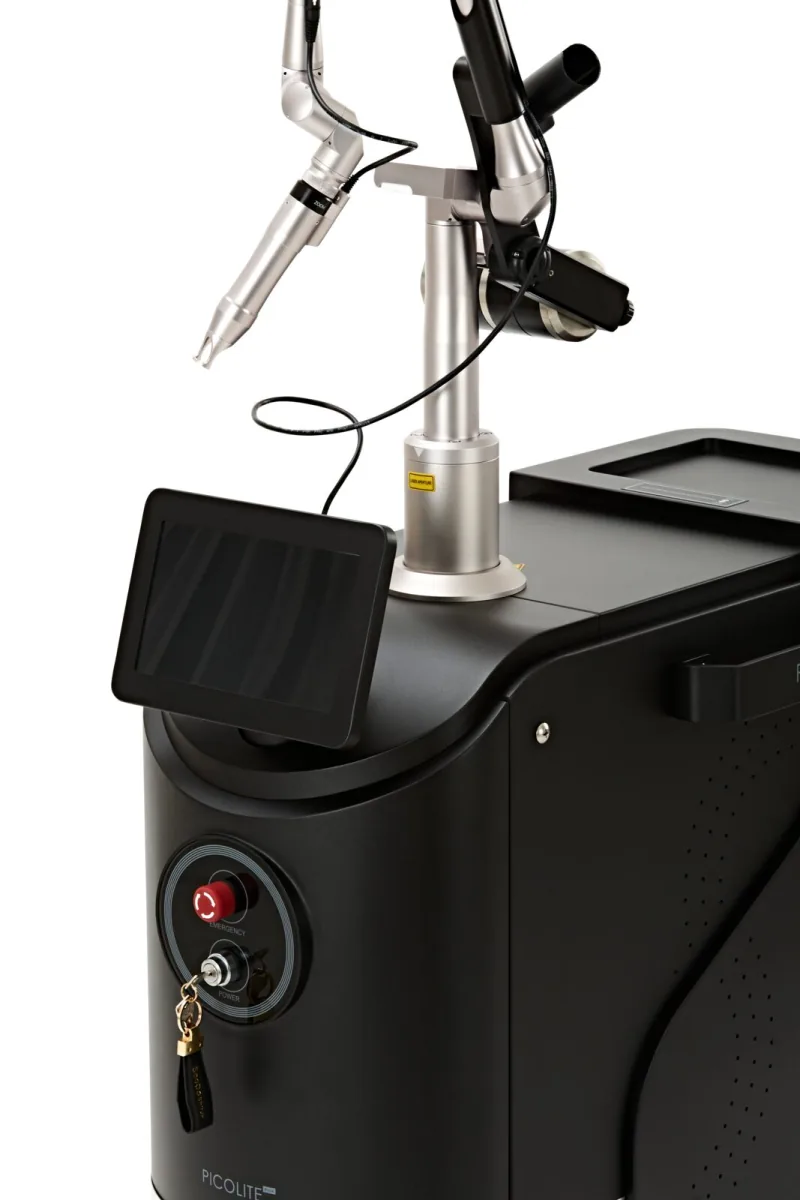
How much does pico laser hurt for each kind of treatment?
Is pico laser painful enough that you'd regret fitting it into a short trip to Seoul, or are the warnings you've read online overblown?
For most people it's a quick snapping sting that stops when the laser stops. Pico toning for melasma feels like warm prickles, while dark spots and tattoo ink sting more sharply. Pain that keeps building for hours afterward, or blisters, is not the normal part.
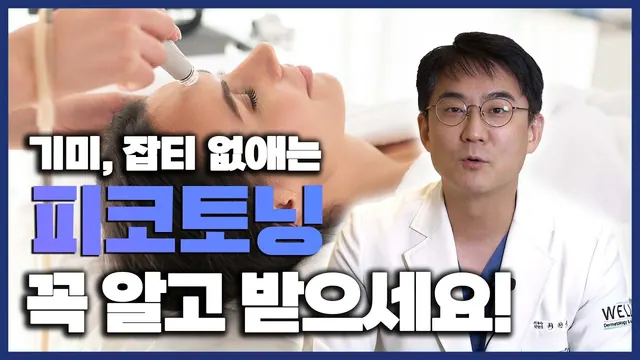
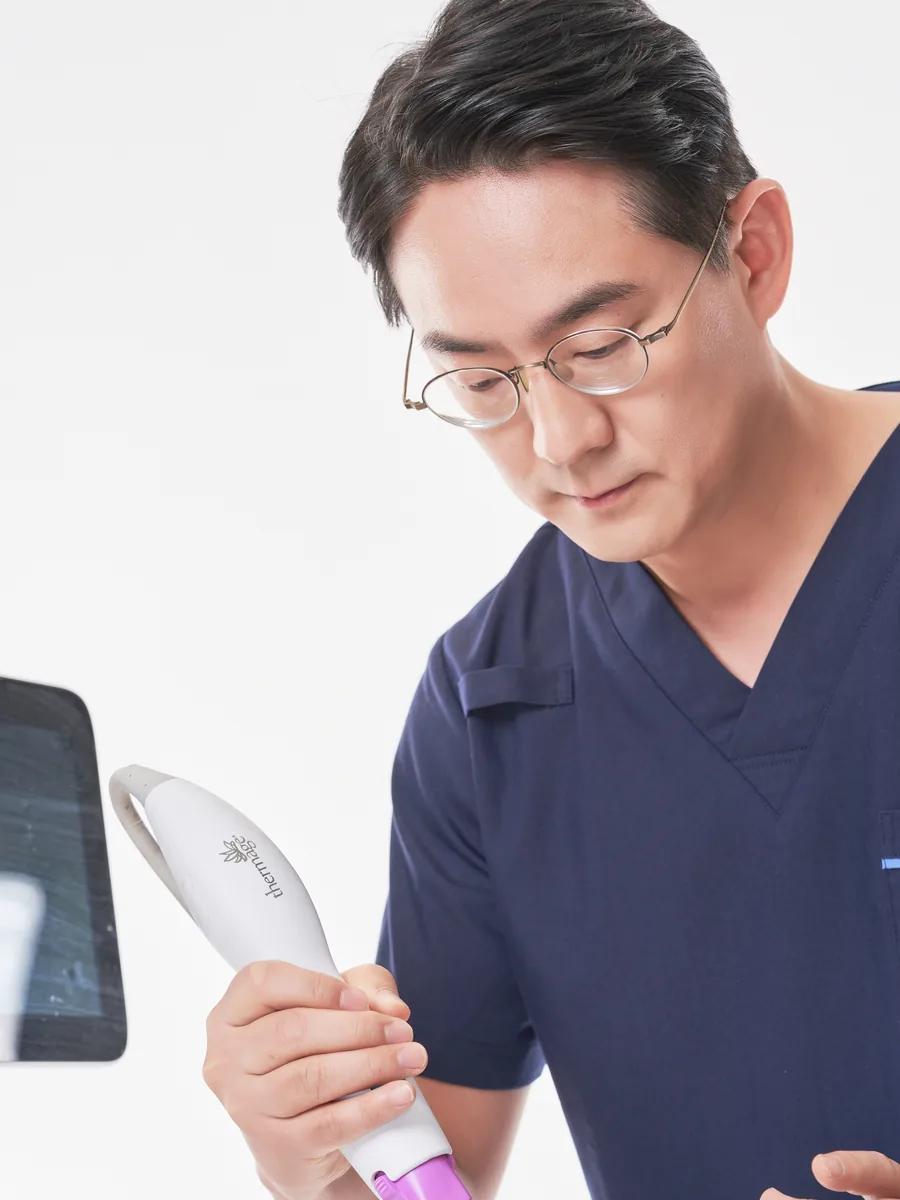
Hello, I'm Dr. Won Woo Choi, Medical Director at WELLS Clinic in Apgujeong, Seoul.
I'm a board-certified dermatologist trained at Seoul National University Hospital, and at WELLS a board-certified dermatologist handles your consultation, diagnosis and treatment. That matters for this question, because the kind of pigment decides the laser setting, and the setting decides most of what you feel. A medical interpreter for your language is provided at no extra charge, so telling us “that's too hot” mid-session is never lost in translation.
If you're weighing pico for one particular patch, send a daylight photo of it on WhatsApp and ask whether it would be toning or spot work for you. That one answer tells you which row of the table below is yours.
Send a clear photo and your travel dates, and we will tell you what fits the time you have in Seoul.
Send a daylight photo of the area on WhatsAppA picosecond laser fires pulses measured in trillionths of a second. When pigment absorbs that burst it shatters, and what you feel is a tiny snap at the surface plus some heat. How strong it feels comes down to three things: how much pigment sits under the beam, how much energy is used, and how thin the skin is over bone, such as the upper lip, forehead and jawline edge.
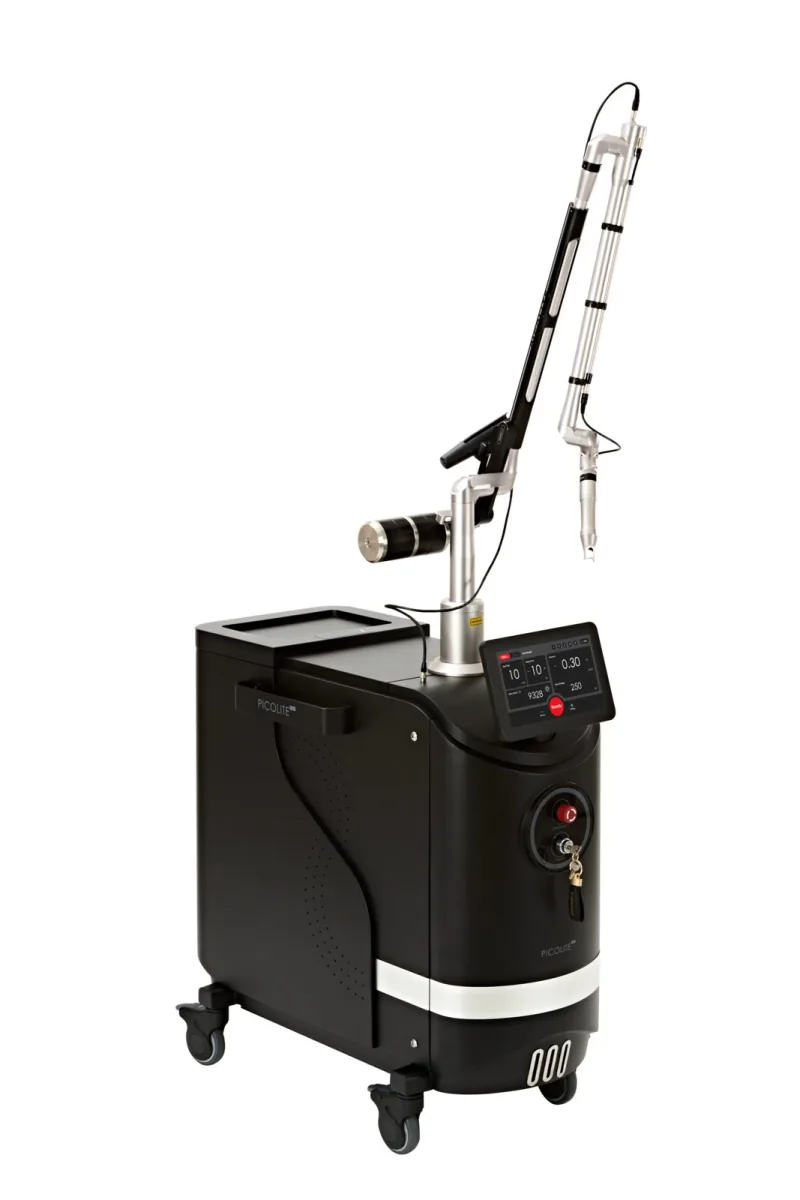
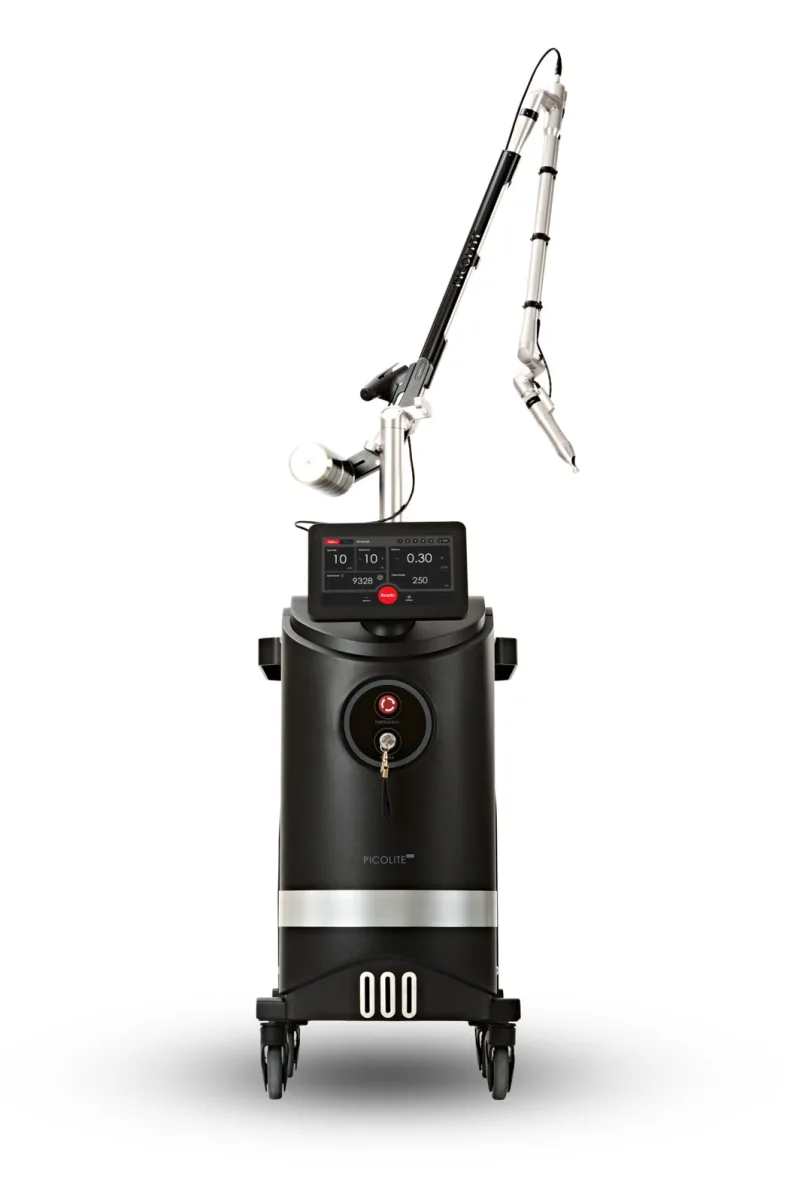
Our PicoSure Pro works at 755 nm, with 1064 nm and 532 nm for pigment at different depths and colors. Here is roughly how the main uses compare.
| Treatment | What it usually feels like | What lingers afterward |
|---|---|---|
| Pico toning (melasma, overall haze) | Warm prickling, like fine sand flicked at the skin | Pinkness and warmth that usually settle within hours |
| Spot treatment (sun spots, age spots) | A sharp snap on each dark spot, like a rubber band | Small dark crusts that usually flake off within one to two weeks |
| Tattoo or old brow pigment | The strongest of the four; numbing cream is commonly used | Swelling, pinpoint bleeding, sometimes blisters for several days |
| Fractional pico for scars and pores | Prickling with a spreading heat | Redness that usually clears in 3–4 days |
If you've had laser hair removal, the snap of spot work will feel familiar, though hair removal uses a different laser with its own heat profile, covered in our guide to men's laser hair removal in Korea. For how a pico visit fits a trip from first message to flight home, see the pico laser Korea planning guide.
Worried about your own case? Let a dermatologist look first: send a photo and your dates, and we reply whether it can be arranged.
Ask us on WhatsAppMore sting doesn't mean faster clearing
In short, this is the part most threads skip. Pain during a laser session is a rough readout of energy and heat, and with melasma, heat works against you. Melasma pigment is reactive: push it hard and it can come back darker, which dermatologists call post-inflammatory hyperpigmentation.
Think of tapping a sugar cube with a spoon versus warming it in a pan. Pico breaks pigment mostly by impact, because its pulses are 1,000 times shorter than conventional laser toning, so less heat spreads into the skin around the pigment. That is why pico toning for melasma is set low and feels mild, and why “turn it up” is a request I decline for melasma.
The same logic runs through pigment that needs patience. With birthmark-type pigment, repeated high heat can cause darkening or loss of color, so at WELLS we use low-energy pico pulses for it.
Say you're 41, flying in from Auckland with melasma across both cheeks and eight days in Seoul, and you've read that higher settings clear it in fewer visits. I would keep the toning gentle and tell you plainly that one trip starts the course and won't finish it.
The five-session analysis I presented at the Korean Dermatological Association meeting compared about 5–7 pico sessions with 10 conventional toning sessions. Even the shorter course is a series. So the useful question for your eight days is what to do at home between visits: daily sunscreen, no scrubbing, and no extra heat on the cheeks.
What online threads get right and wrong about pico pain
A handful of claims come up again and again when people compare notes online. Some hold up better than others.
- “It feels like a rubber band snapping.” Mostly true for spot work. For low-energy toning it overstates things; most people describe prickling heat.
- “If it doesn't hurt, it isn't working.” Wrong for melasma, where a mild setting is deliberate. Closer to true for tattoo ink, where clearing does need energy.
- “Numbing cream makes it feel like nothing.” It dulls the surface sting. Tattoo sessions usually still hurt, just less.
- “Darker or tanned skin hurts more.” Partly true. More background melanin absorbs more energy, so it can feel hotter, and that skin is also more prone to darkening afterward.
- “Brow tattoo removal is worse than body tattoos.” Location matters less than the ink. Old brow pigment is often red or gray and needs a different wavelength from black ink; more in eyebrow tattoo removal in Korea.
Is pico laser painful in a way that signals a problem?
The normal sting stops when the laser stops, and the warmth fades over hours. Here is what's common, what's less common, and what to do once you're home.
Redness and swelling: what to watch for
Common and temporary: redness, warmth and mild swelling for hours to a day; small crusts on treated spots; with tattoo work, swelling and sometimes blisters for several days.
Less common: darker patches appearing a few weeks later, which DermNet's overview of post-inflammatory hyperpigmentation describes as more frequent in darker skin types. Pale or white spots can also appear after many repeated toning sessions, which is why melasma care at WELLS is planned to use less laser.
Risks and side effects to know
Rare: burns, blistering after toning, or scarring, usually tied to more energy than that skin type could take. Healing time varies with skin type and pigment depth, so read the timelines in this post as typical ranges.
After you fly home
If pain gets worse instead of better after the first day, if a blister appears after toning, or if crusts ooze or the redness spreads, see a dermatologist at home that week. Take a clear daylight photo the day it starts, keep the area out of the sun, and let crusts fall off on their own. You can send that photo to us on WhatsApp as well, with the date of your session.
Who should wait or skip pico for now?
Put simply, these are the usual reasons in general dermatology to hold off:
- A fresh tan or sunburn on the area
- Isotretinoin for acne in recent months, or medicines that make skin sun-sensitive
- Active infection, cold sores or eczema flaring where the laser would go
- Pregnancy, when most cosmetic laser work is postponed
- A peel or another laser on the same area in the past few weeks
- A mole or spot that has changed shape or color, which needs a diagnosis, not a laser
Before you book, list on WhatsApp any acne or other skin medicine you take, whether you've had a peel or a tan this month, and your travel dates, and ask whether anything on that list means waiting.
Send a clear photo and your travel dates, and we will tell you what fits the time you have in Seoul.
Send a daylight photo of the area on WhatsApp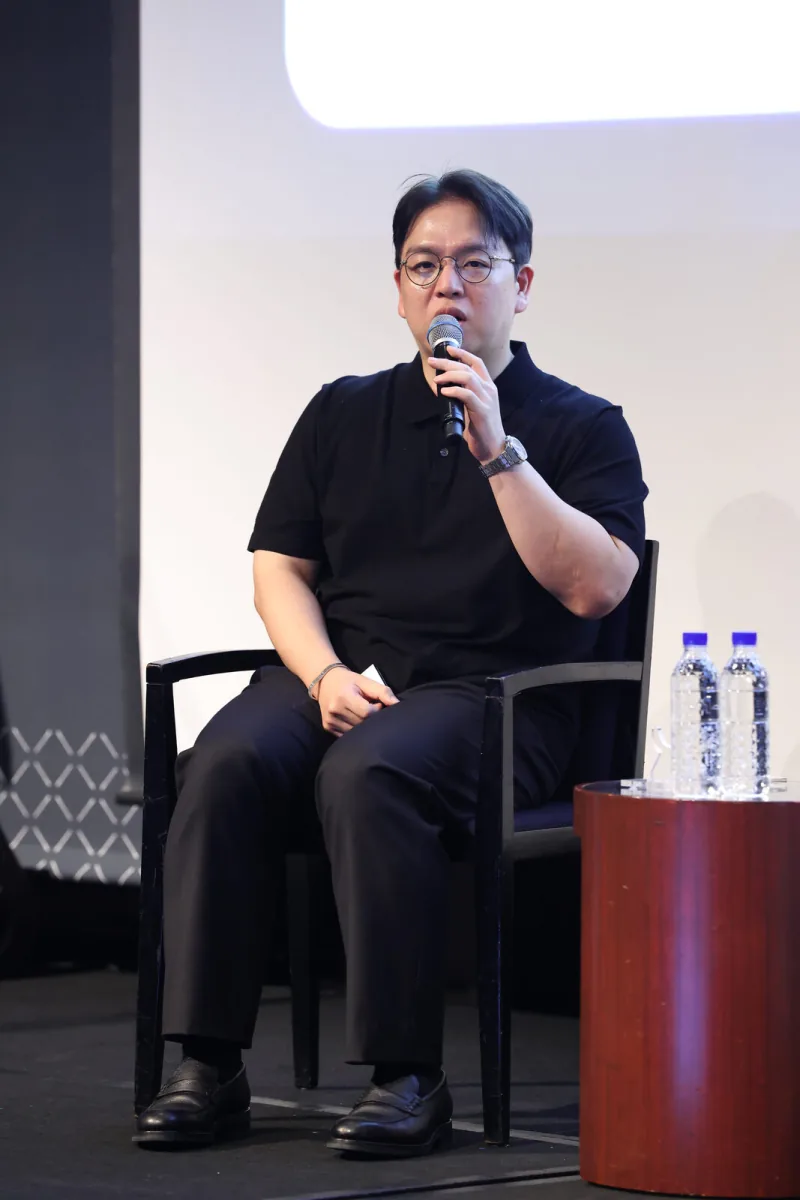
What to ask any clinic before the laser starts
In practice, these questions tell you more about how a session will feel than any thread will:
- Who diagnoses the pigment, and is that the doctor who sets the laser?
- Which wavelength for your pigment, and is it toning or spot treatment?
- Is numbing cream planned, and how long does it sit before the session?
- How many sessions does your kind of pigment usually need, and how far apart?
- Who do you contact if something changes after you fly home?
- Is an interpreter there for the consultation itself?
It doesn't have to be us. Wherever you book, ask these before the goggles go on. Session count is also what moves the bill for toning, and our post on what changes laser toning cost in Korea covers the other factors.
Can you fit spot or tattoo work into a short trip?
Toning the day before a flight is usually manageable, since the pinkness fades within hours. Spot and tattoo work are easier with a few days left in Seoul, because crusts and swelling are at their most visible early on, and cabin air dries healing skin.
We're open Monday to Friday 10:00–20:00 and Saturday 10:00–17:00, with lunch from 13:00 to 14:00, and closed on Sundays and holidays. If you land on a Saturday afternoon, your first realistic slot may be Monday, so count that into your days.
Here is where I stand. A pico session should be uncomfortable for minutes, not days, and I would leave some pigment for a later session before I'd push melasma into a flare. You don't need to settle any of this before you know what kind of pigment you have.
WELLS Clinic is at 8F Apgujeong B/D, 842 Nonhyeon-ro, Gangnam-gu, Seoul, five minutes on foot from Apgujeong Station Exit 3. What decides how pico feels for you is which pigment it is and how deep it sits. Send your travel dates with that same daylight photo on WhatsApp, and ask how many days you'd want in Seoul after a session for the pigment you have; if you'd like to know how the deposit and payment work, add that too, since both are settled after the consultation.
— Dr. Won Woo Choi, Medical Director
Plan your visit before you fly
Send a daylight photo, your travel dates and what you have tried before. A dermatologist will suggest where to start and what fits your stay.
Send a daylight photo of the area on WhatsAppReplies on WhatsApp · prices in KRW, including 10% VATBefore you message us
Is pico laser painful on the upper lip or near the eyes?
Those spots tend to sting more because the skin is thin over bone and the upper lip is sensitive. Near the eyes, eye shields are standard for laser work, and pigment there is usually treated at lower energy.
Can I take a painkiller before the session?
Acetaminophen is the usual choice if you want one. Aspirin and similar anti-inflammatory pills can make bruising more likely. If you take a prescribed blood thinner, never stop it on your own; mention it when you book.
Does the second session hurt less?
With spot treatment it often does, because there is less pigment left to absorb the energy. Toning usually feels about the same each time, since the setting stays low on purpose.
Will I be put to sleep for pico?
No. We don't use unnecessary sleep sedation at WELLS, and pico sessions are short. For spot or tattoo work, a topical numbing cream is the usual approach in dermatology.
Can I fly the day after pico toning?
Usually yes. Cabin air is dry, so use a plain moisturizer on the plane and sunscreen as soon as you land. Leave crusts from spot work alone rather than picking them off during the trip.
Results and recovery vary by individual. Every treatment carries possible side effects, which are explained at the consultation. Prices are in Korean won, including 10% VAT, and confirmed at your consultation. This article is general information from the clinic, not a diagnosis.
Dr. Won Woo Choi
- Board-certified dermatologist in Korea; trained at Seoul National University Hospital
- Dermatology residency, Seoul National University Hospital; board certification in dermatology in Korea
- Ph.D. in Dermatology, Seoul National University
- Former clinical instructor, Seoul National University Hospital
- Adjunct professor, Department of Dermatology, Seoul National University Hospital