How long does dermal filler last? Months, and two weeks to settle
Most hyaluronic acid fillers stay visible for roughly six to eighteen months: lips fade first, while chin, cheeks and under-eye hollows often hold a year or more. Swelling and bruising usually settle within one to two weeks, and that is what your trip has to plan for.

Whether this treatment suits you needs a dermatologist to assess. Send a photo and your travel dates on WhatsApp, and we reply in English whether it can be arranged for your case and which days are open.
Ask us on WhatsApp
How long does dermal filler last in each part of the face?
"If I fly all the way to Seoul for this, will it be gone by next summer?"
People ask that about filler all the time. Behind it there's usually a quieter thought: a long flight and a hotel bill for something your body slowly breaks down feels like a strange trade.
How long does dermal filler last? Most hyaluronic acid fillers stay visible for roughly six to eighteen months. Lips sit at the short end, and the chin, cheeks and under-eye hollows often hold a year or more. Your trip only has to plan for a much shorter stretch: swelling and bruising usually settle within one to two weeks.
Hello, I'm Dr. Won Woo Choi, Medical Director at WELLS Clinic in Apgujeong.
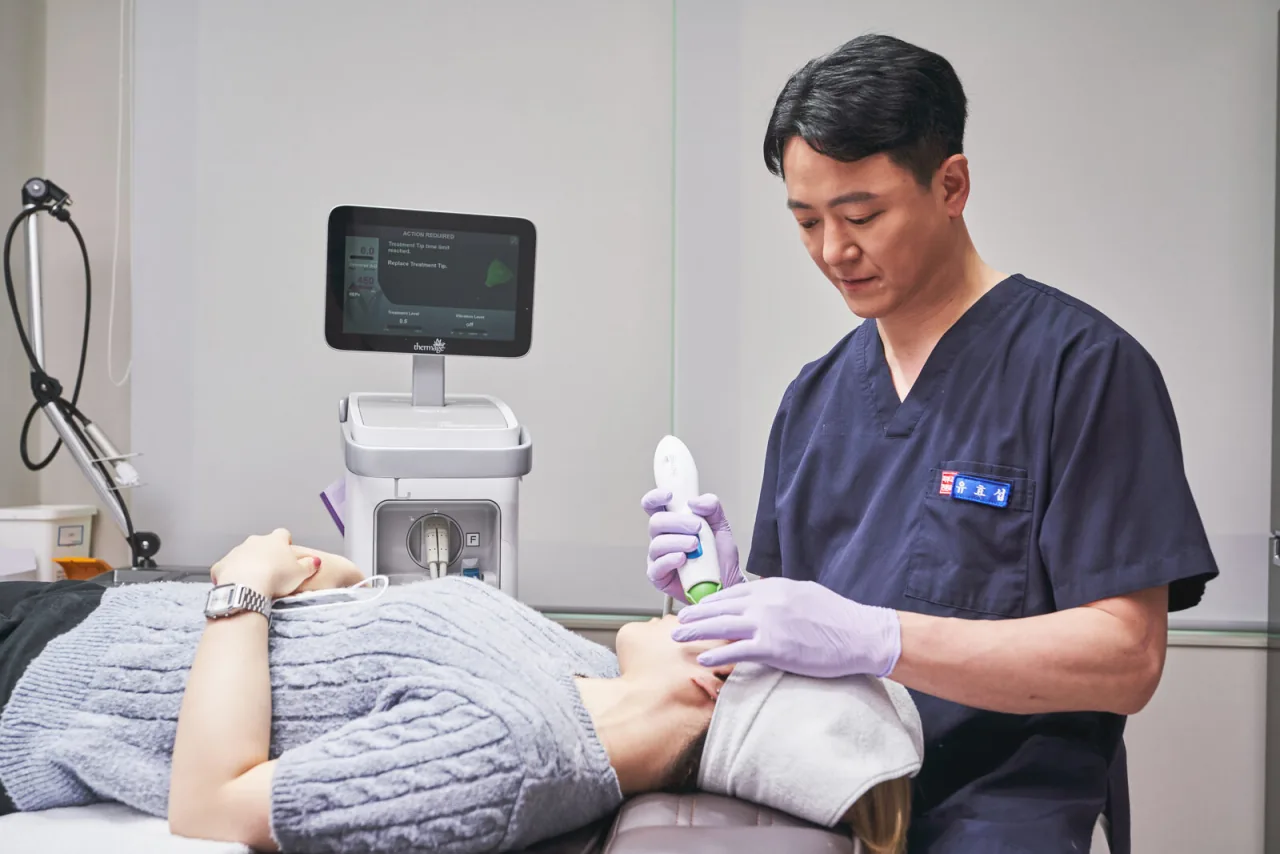
A few things here affect how long your result holds and how your days in Seoul go. A board-certified dermatologist handles your consultation, diagnosis and treatment, so the doctor who judges where you've lost volume is the one who injects it. We confirm the product and the amount before treatment, so you leave knowing exactly what's in your face. A medical interpreter for your language is provided at no extra charge.
If you're still deciding whether the flight is worth it, send a daylight photo of the area that bothers you on WhatsApp. Add the name and month of any filler you've had before, and ask how long that area usually holds.
Send a clear photo and your travel dates, and we will tell you what fits the time you have in Seoul.
Send a daylight photo and your travel dates on WhatsAppFiller is that sugar cross-linked into a gel, so it holds out against your body's own enzymes for months instead of days. Still, the body breaks the gel down bit by bit, which is why the US Food and Drug Administration groups HA fillers with the absorbable, temporary materials.
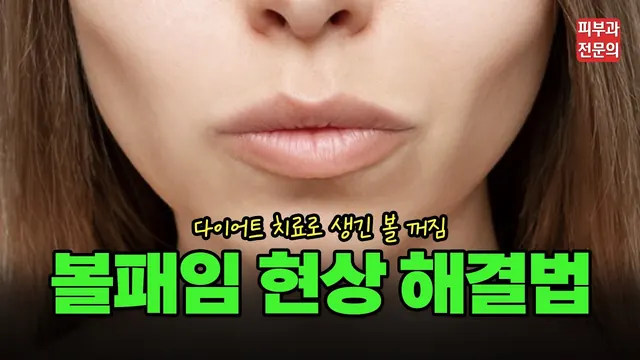
Where the gel sits changes the timeline more than anything else. Think of a sugar cube in a cup of tea: leave the cup alone and it dissolves slowly, stir it and it's gone fast. Your lips move every time you talk, eat and smile, so lip filler usually fades first, often around six months. The chin and the hollow under the eye move far less, and filler there commonly lasts a year or longer.
| Area | Typical visible duration (HA, general) | What tends to shorten it |
|---|---|---|
| Lips | About 6 months, sometimes less | Constant movement, soft gel |
| Lines from nose to mouth | About 6 to 12 months | Smiling and chewing, small-particle gel |
| Cheeks | Around 12 months, often longer | Too little product spread thinly |
| Chin | A year or more | Very small volumes |
| Under-eye hollows | Often a year or more | Rarely shortened; overfilling is the bigger issue |
For the folds beside the mouth I use a large-particle, long-lasting filler, because that area works hard all day and a soft gel doesn't hold up there. The chin is different again: small amounts hold well, and our post on how a dermatologist plans chin filler shows what it can and can't reshape.
Fading is gradual. HA holds water, so the last part of the effect softens slowly over weeks instead of disappearing one morning. Many people notice the change first in photos, not in the mirror.

Worried about your own case? Let a dermatologist look first: send a photo and your dates, and we reply whether it can be arranged.
Ask us on WhatsAppWhat makes filler fade sooner, and what helps it hold
Three things decide most of it. First, the product: firmer, more cross-linked gels hold longer and suit deep areas, while soft gels suit lips and fine lines and fade sooner. Second, the amount and the layer it's placed in. Third, movement, which you can't change much.
Online you'll read that a fast metabolism, hard workouts or hot saunas burn filler off. The evidence for that is thin, and product and area matter far more. Where a strong muscle keeps creasing the skin over the filler, combining it with an anti-wrinkle injection extends the result, because the gel isn't being folded hundreds of times a day.
If what you want is volume that builds slowly and stays longer, Sculptra is also on our menu, and it's a different tool. It stimulates your own collagen, usually over more than one session, and the volume shows up over weeks. That makes it a different trip plan from HA filler, which you see the same day.
When cheeks look puffy, wide or oddly shaped after filler, it's usually the amount or the layer, not the brand. Our post on what goes wrong with cheek filler walks through the common patterns.
Your first two weeks, day by day, and how long to stay in Seoul
The injection itself takes one visit. The result takes about two weeks before you can judge it. In general terms, this is how those two weeks tend to go:
Swelling and bruises: what to watch for
- Day of treatment: the injection points and a little firmness are visible, and many HA products contain lidocaine, so the area stays numb for a while. You can walk around Seoul the same afternoon.
- Days 1 to 3: swelling is usually at its most noticeable. Sleep with your head slightly raised, and skip alcohol, hard workouts and facial massage for the first day or two.
- Days 4 to 7: swelling drops, and any bruises turn yellow-green. Most people are back to normal plans.
- Days 7 to 14: the last swelling and bruising settle, and the gel softens into the tissue. This is when the shape is worth judging.
Risks and side effects to know
So inject early in your stay, not the day before you fly. We're open Monday to Friday 10:00 to 20:00 and Saturday 10:00 to 17:00, and closed on Sundays and public holidays, so if you land on a Saturday night your first chance is Monday. A flight a day or two after HA filler isn't generally considered a problem. What bothers people more is a bruise showing at the arrivals gate.
Swelling and bruise: what to watch for
Say you're 57, flying in from Singapore for nine days with your son, and what you notice in photos is the deepening line from nose to mouth on both sides. I'd put the injection on your first or second weekday, so you fly home with the peak swelling behind you. Then I'd ask what's on your calendar for the following two weeks: a family dinner ten days after you get home is fine, but a wedding three days after landing is cutting it close for a bruise.

Lumps, bruising and blocked vessels: what can go wrong after you fly home
The common reactions are temporary: swelling and bruising for one to two weeks, tenderness when you press, and small lumps you can feel that usually soften as the gel settles. How much you swell and how fast it fades varies from person to person, which is the reason to leave a buffer before any event.
Less common problems are a lump that doesn't soften, a bluish tint where gel sits too close to thin skin, or filler that drifts out of place over time. Under the eyes, drifting gel can look like puffiness, and our post on how under-eye filler migration is assessed explains what that looks like.
The rare, serious one is filler entering or pressing on a blood vessel. Warning signs are skin turning white, mottled or dusky, pain far out of proportion, and, very rarely, changes in your vision. Treat that as an emergency: go to an emergency department or a dermatologist the same day, wherever you are. Where possible we inject with a cannula, which reduces the risk of vessel damage compared with a standard sharp needle.
If a lump or an uneven area shows up after you're home, HA filler can usually be dissolved by a local doctor with an enzyme called hyaluronidase.
You might be better off waiting, or skipping it, if any of these apply:
Infection and bruising: what to watch for
- an active cold sore, acne flare or skin infection in the area
- pregnancy or breastfeeding
- a known allergy to lidocaine or to a filler ingredient
- blood thinners or supplements that increase bruising (don't stop prescribed medicine without your own doctor's advice)
- an important event within two weeks of the treatment date
If you take a blood thinner, or you've had filler before that never quite settled, put that in your WhatsApp message along with your travel dates. Then ask whether those dates leave you enough room.
Send a clear photo and your travel dates, and we will tell you what fits the time you have in Seoul.
Send a daylight photo and your travel dates on WhatsAppWhen filler isn't the right tool for your trip
If lips are your only area, the timing doesn't work well. Lip filler fades around six months, so a once-a-year trip leaves long gaps. It fits better to do lips when you're already in Seoul for something else.
Under the eyes, check what you're actually seeing first. Skin problems that look alike can have different causes, and a hollow, a fat pad, pigment and tiny white bumps all need different treatment. If the bumps are firm white dots, our guide to getting rid of milia under the eyes covers that, and filler won't help.
So, how long does dermal filler last when the real problem is skin that has dropped? Not long enough to fix it, because gel can't hold up tissue that's sliding down. In that case lifting is the better tool. The thread lifts on our menu use KFDA-approved threads, and their results last longer than filler, more than a year.
What to ask before anyone injects you
In short, it doesn't have to be us. Wherever you book, get clear answers to these before the needle comes out:
- Is the doctor who examines me the one who injects?
- Which product, and how much, and can I have both in writing?
- Is it hyaluronic acid, which can be dissolved if needed?
- Needle or cannula for this area, and why?
- If a lump or swelling appears after I fly home, who do I contact, and what would they do?
My view is that filler should be planned around how fast your particular area fades, not around how much fits in a syringe. A moderate amount in the right layer, done early in your stay, is easier to live with than a big dose the day before your flight. Take your time with the dates; you don't have to decide from one article.
Send one front-on and one side-on daylight photo on WhatsApp with your travel dates, and ask which day of your trip the injection should fall on. When you come, we do a 3D analysis before treatment, and that shows where your volume has actually gone. We're at WELLS Clinic, 8F Apgujeong B/D, 842 Nonhyeon-ro, Gangnam-gu, Seoul.
— Dr. Won Woo Choi, Medical Director
Plan your visit before you fly
Send a daylight photo, your travel dates and what you have tried before. A dermatologist will suggest where to start and what fits your stay.
Send a daylight photo and your travel dates on WhatsAppReplies on WhatsApp · prices in KRW, including 10% VATBefore you message us
How long does dermal filler last in the lips compared with the cheeks?
Lip filler usually fades around six months because the lips move all day. Cheek filler often lasts around a year or longer. If you do lips during a Seoul trip, plan a touch-up at home or on your next visit, rather than expecting a year.
Can I fly home the day after getting filler?
For HA filler, flying a day or two later isn't generally considered a problem. On a long flight, drink water, keep salty food down, and keep your head up to limit puffiness. Swelling can look worse after hours of sitting, and it usually goes down within a day of landing.
Will my skin sag more once the filler wears off?
Repeated heavy overfilling over years can stretch tissue, which is one more reason to add volume gradually instead of all at once.
Can a doctor at home do my next touch-up if the first round was in Seoul?
Yes. Bring the product name, amount and treated areas in writing. A different HA brand can usually be used on top, but tell the doctor what you had and when.
Will I be sedated for filler?
No. We don't use unnecessary sleep sedation.
Results and recovery vary by individual. Every treatment carries possible side effects, which are explained at the consultation. Prices are in Korean won, including 10% VAT, and confirmed at your consultation. This article is general information from the clinic, not a diagnosis.
Dr. Won Woo Choi
- Board-certified dermatologist in Korea; trained at Seoul National University Hospital
- Dermatology residency, Seoul National University Hospital; board certification in dermatology in Korea
- Ph.D. in Dermatology, Seoul National University
- Former clinical instructor, Seoul National University Hospital
- Adjunct professor, Department of Dermatology, Seoul National University Hospital