Hyaluronic acid filler Korean dermatologists use: should you wait, and which 4 risks matter?
Most filler problems are predictable: one to two weeks of swelling and bruising, lumps, an overfilled look and, rarely, a blocked vessel. Who injects, where, how much and with what instrument decides much of the risk.

Whether this treatment suits you needs a dermatologist to assess. Send a photo and your travel dates on WhatsApp, and we reply in English whether it can be arranged for your case and which days are open.
Ask us on WhatsApp
Four risks worth weighing before you book
Planning the hyaluronic acid filler Korean dermatologists could inject during your Seoul trip, but uneasy about lumps, a puffy overfilled face, or the blindness stories you've read?
Most filler problems are predictable: swelling and bruising for one to two weeks, small lumps, an overfilled look and, rarely, a blocked blood vessel. Who injects, where, how much and with what instrument decides much of that risk, and in a few situations the right answer is to wait.
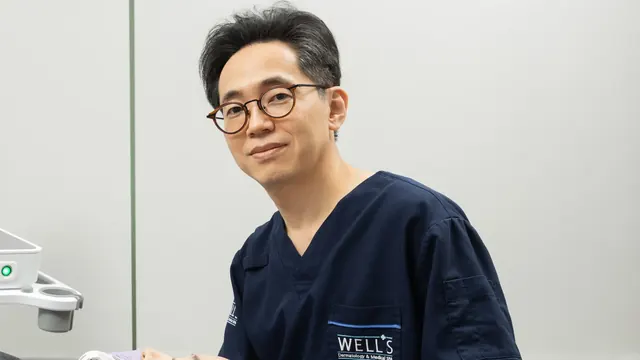
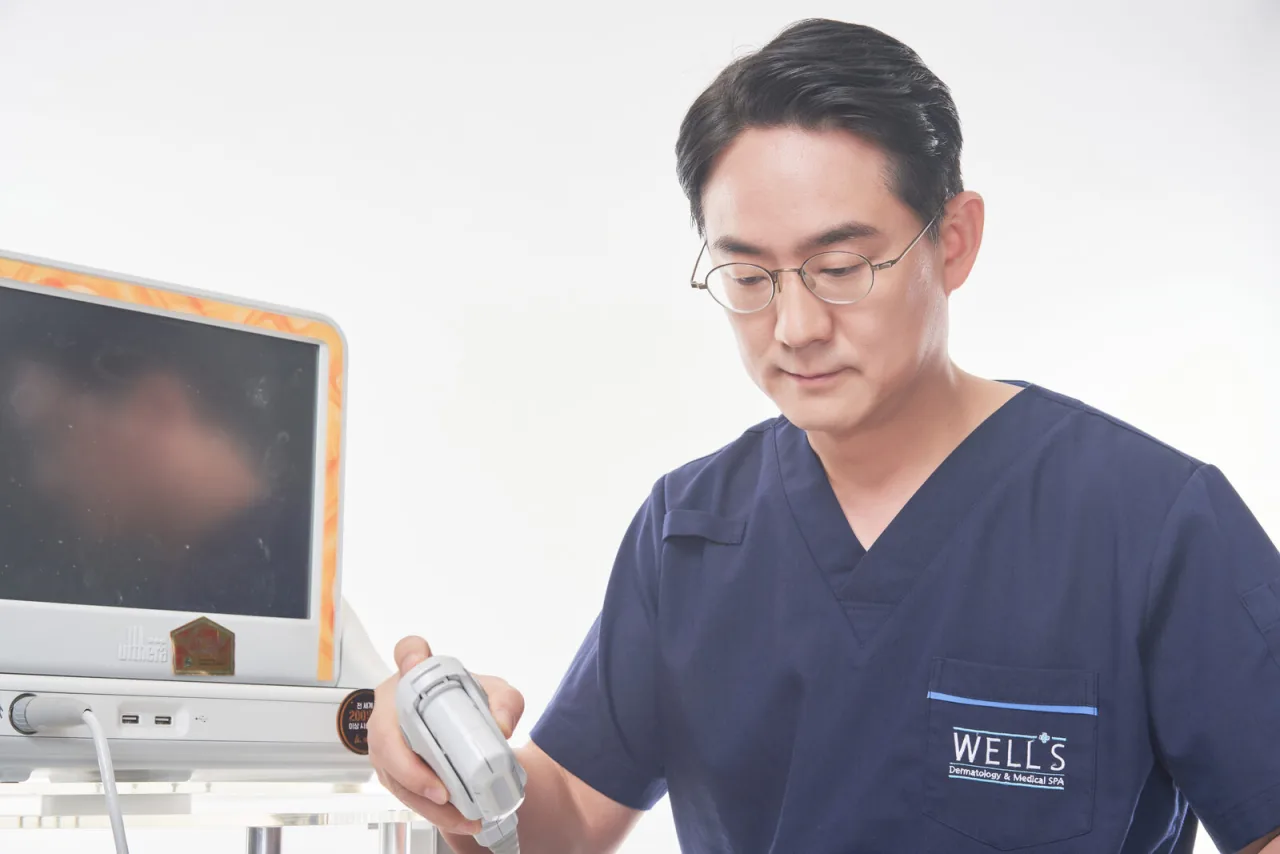
Hello, I'm Dr. Won Woo Choi, Medical Director, M.D., Ph.D., at WELLS Clinic in Apgujeong, Seoul. I'm a board-certified dermatologist trained at Seoul National University Hospital, where I'm an adjunct professor of dermatology.
We confirm the product and amount with you before treatment, and a medical interpreter for your language is provided at no extra charge.
If you're weighing one area (the under-eyes, the smile lines or the chin), send a front and a side photo in daylight on WhatsApp with your Seoul dates, and mention any filler you've had there before and roughly when.
Send a clear photo and your travel dates, and we will tell you what fits the time you have in Seoul.
Send your photos and Seoul dates on WhatsAppFour things can go wrong with filler, from common to rare. Knowing each one tells you what to ask.
1. Swelling and bruising. Expect one to two weeks of it, heaviest in the first few days. Bruising is more likely if you take medicines or supplements that thin the blood, and a review on minimizing bruising after fillers in the Journal of Clinical and Aesthetic Dermatology discusses pausing non-essential supplements such as fish oil and vitamin E beforehand. Never stop a prescribed blood thinner without the doctor who prescribed it.
2. Lumps and unevenness. Firmness in the first days is mostly swelling. A lump that stays usually means product sitting too close to the surface or too much in one spot. The hyaluronic acid filler Korean dermatologists use can be dissolved with an enzyme called hyaluronidase, which is one reason I prefer it for a first filler in a delicate area, though dissolving is a repair, not a plan.
3. The overfilled look. It rarely comes from one session. It builds when a little more goes in at each visit while the old filler hasn't fully gone, and why faces end up looking overfilled explains how that happens and how it's avoided. Forehead volume, for example, is balanced so the face doesn't look larger.
4. A blocked blood vessel. This is the rare, serious one. The FDA lists accidental injection into a blood vessel among the risks of dermal fillers, with possible skin damage, vision problems and, rarely, blindness or stroke. Skin that turns white or dusky, or pain far beyond what you expected, during or after the injection is an emergency.
Worried about your own case? Let a dermatologist look first: send a photo and your dates, and we reply whether it can be arranged.
Ask us on WhatsAppWho should wait, or skip filler this trip?
In short, these are the situations where I'd suggest waiting or choosing something else:
- Pregnancy or breastfeeding.
- An infection, cold sore or acne flare in or near the area.
- A blood thinner you can't pause, which changes the bruising picture and needs your own doctor's view first.
- An event or photos within two weeks of the appointment.
- A past reaction to filler or to lidocaine.
- Filler of unknown type already in the same area: tell the dermatologist, because some older fillers can't be dissolved.
There's one more, and it's about the tool. When the main change is sagging skin, filler adds weight to tissue that's already loose, and the face can look heavier. A lifting treatment answers that problem, and filler is the wrong first step.
Which areas carry more risk, and why?
- Under the eyes. The skin is thin, swelling shows more, and filler placed too shallow can leave a bluish tint. At WELLS, under-eye hollows are treated with filler instead of surgery, and who under-eye filler suits and how to plan it goes deeper.
- Between the brows and along the nose. Vessels here connect toward the eye, which is where the rare vascular risk concentrates. This is where the choice of instrument and depth matters most.
- Smile lines. We use a large-particle, long-lasting filler for nasolabial folds. The upper end near the nose sits close to an artery, so slow, small amounts matter there.
- The chin. The chin tip can be refined for a slimmer face shape; what chin filler can reshape shows where it helps and where it doesn't.
What to ask before any filler goes in
A few questions settle much of the risk above.
- Which product? Ask for the name and check that it's a hyaluronic acid filler Korean regulators have approved; the Ministry of Food and Drug Safety is the agency that approves them.
- How much, and where? The amount in cc for each area.
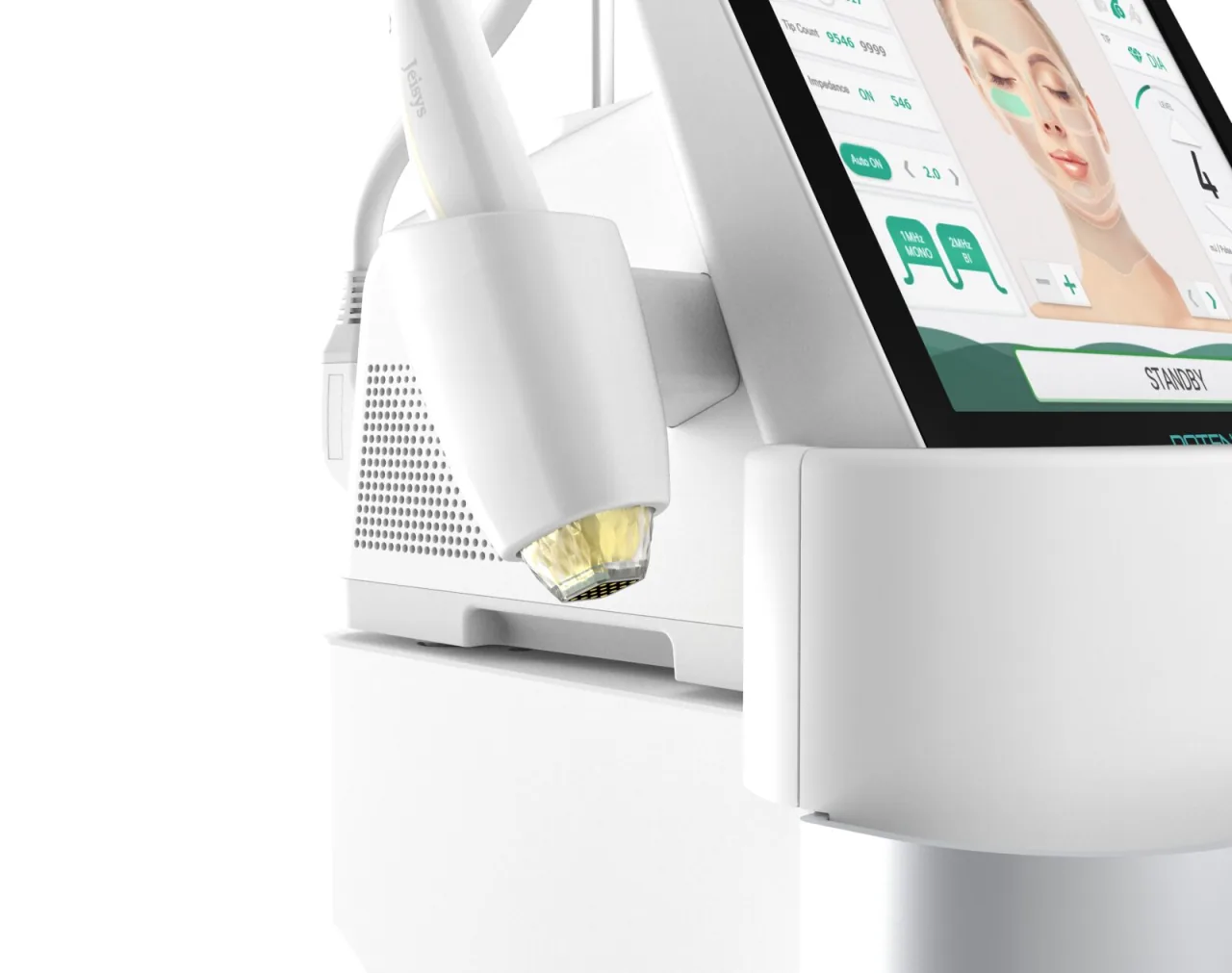
- Cannula or needle? And why, for each area.
- Who injects? At WELLS, a dermatologist.
- What happens if a lump or a white patch appears?
- A record to take home. Product, amount and area, so a doctor at home knows what's there.
The record is the piece people forget, and it's the one a doctor at home needs most if anything has to be dissolved later.
How should filler fit around your days in Seoul and the flight home?
Timing matters more than most people expect, because the swelling window is one to two weeks.
Say you're 52, flying in from Los Angeles for ten days with family, and you'd like your under-eye hollows and smile lines softened. I'd put the appointment in the first two or three days, so most of the swelling and bruising happens in Seoul, not on your return. If it's your first filler, treating one area and seeing how you swell is a reasonable pace, and the second area can follow later in the stay or on the next trip.
There's no general rule against flying after filler, though swelling can feel more noticeable after a long flight. WELLS is on the 8th floor of Apgujeong B/D, 842 Nonhyeon-ro, Gangnam-gu, five minutes on foot from Apgujeong Station Exit 3 on Line 3, open weekdays 10:00–20:00 and Saturdays 10:00–17:00, and closed Sundays and holidays. For areas, technique and how a visit runs, see Korean filler in Seoul: areas, technique and how a visit works.
If your dates are fixed, put them in your WhatsApp message with the areas you're thinking about, and ask which day of your stay leaves the most time for swelling to settle before you fly.
Send a clear photo and your travel dates, and we will tell you what fits the time you have in Seoul.
Send your photos and Seoul dates on WhatsAppIf something feels wrong once you're home
Skin turning white or dusky, pain out of proportion, or any change in vision after filler needs emergency care immediately.
For lumps, time comes first. A lump at day three is usually swelling, so leave it alone and don't press on it. If it's still there at two weeks, photograph it in daylight, send the photo on WhatsApp with your treatment date, and see a dermatologist locally, who can dissolve hyaluronic acid if needed. How quickly swelling settles differs from person to person, so compare photos over days, not hours.
Send your front and side photos, the areas you're considering, any past filler with the year, and your Seoul dates on WhatsApp, and ask whether your dates allow both areas this trip or one now and one next time. When you come, the plan starts from how thin the skin is under your eyes and how much of the change is lost volume versus sagging. Those two decide whether filler is the right tool at all.
Plan your visit before you fly
Send a daylight photo, your travel dates and what you have tried before. A dermatologist will suggest where to start and what fits your stay.
Send your photos and Seoul dates on WhatsAppReplies on WhatsApp · prices in KRW, including 10% VATBefore you message us
How long does hyaluronic acid filler last?
Months to a year or more, depending on the product and where it's placed; the American Society of Plastic Surgeons' overview of filler types describes how products differ. Areas that move a lot, such as the lips, tend to lose it sooner.
Can hyaluronic acid filler be removed if I don't like it?
Yes. An enzyme called hyaluronidase breaks it down, though some areas need more than one session. It works on hyaluronic acid only, which is why the product record from your treatment matters.
Is a cannula used for every area?
Where possible. Some small, precise placements still need a fine needle, so ask which instrument will be used in each area and why.
Can I combine filler with a lifting treatment on the same trip?
Often, but order and spacing matter.
Results and recovery vary by individual. Every treatment carries possible side effects, which are explained at the consultation. Prices are in Korean won, including 10% VAT, and confirmed at your consultation. This article is general information from the clinic, not a diagnosis.
Dr. Won Woo Choi
- Board-certified dermatologist in Korea; trained at Seoul National University Hospital
- Dermatology residency, Seoul National University Hospital; board certification in dermatology in Korea
- Ph.D. in Dermatology, Seoul National University
- Former clinical instructor, Seoul National University Hospital
- Adjunct professor, Department of Dermatology, Seoul National University Hospital