Redness Treatment Korea: Why Your Face Flushes and How Lasers Help
Tired of being asked if you've been drinking? Dr. Lee explains the two causes of facial redness, why vascular lasers work on the vessel, and what helps at home.

What does redness treatment Korea dermatologists offer actually target?
Hello, I'm Dr. Won Sin Lee, a board-certified dermatologist and Chief Director at WELLS Clinic in Apgujeong, Seoul. I trained at Asan Medical Center in Seoul, where I am an adjunct professor of dermatology. This article is based on my YouTube video from February 2025 above, a conversation with Dr. Won Woo Choi about facial flushing; English auto-translated captions are available on YouTube.
If you are researching redness treatment Korea clinics offer, here is the short answer from our conversation. Whatever starts it, persistent redness ends in the same place: small blood vessels near the skin's surface that have widened. So the treatment that works most directly is a vascular laser that shrinks or closes those vessels.
Below I explain why faces stay red, why we prefer lasers to pills or creams for most people, how many sessions to expect, and what you can do at home.
Why does your face stay red?
We see more patients with redness from about November to February. People who already had redness find it bearable in summer, then dry air and the jump from cold wind into a warm room make it flare, and they come in for treatment.
Anyone flushes with a sudden temperature change or a strong emotion. The difference is how long it lasts: with problem redness, the face can stay red for 30 minutes or for hours. Many people, men especially, come in because they are tired of being asked whether they've been drinking or are exhausted. It is a social problem as much as a skin one.
There are two broad causes:
- Chronic inflammation: when the face keeps going red, breaking out or getting acne for more than about three months, that inflammation can leave lasting redness.
- A problem with the autonomic nerves that widen and narrow the facial blood vessels. Why it happens is not well understood, but the face then flushes suddenly with emotion, hot food or spicy food.
In both cases the visible result is the same: capillaries near the surface have dilated. Treating redness well means reducing or controlling those vessels.
Why use a vascular laser instead of creams or pills?
Medicines are used for some people, but each has a drawback. A pill acts on the whole body, not just the face, and some patients find that uncomfortable. A topical medicine can work very well while you use it, but when it wears off the redness can rebound and get worse.
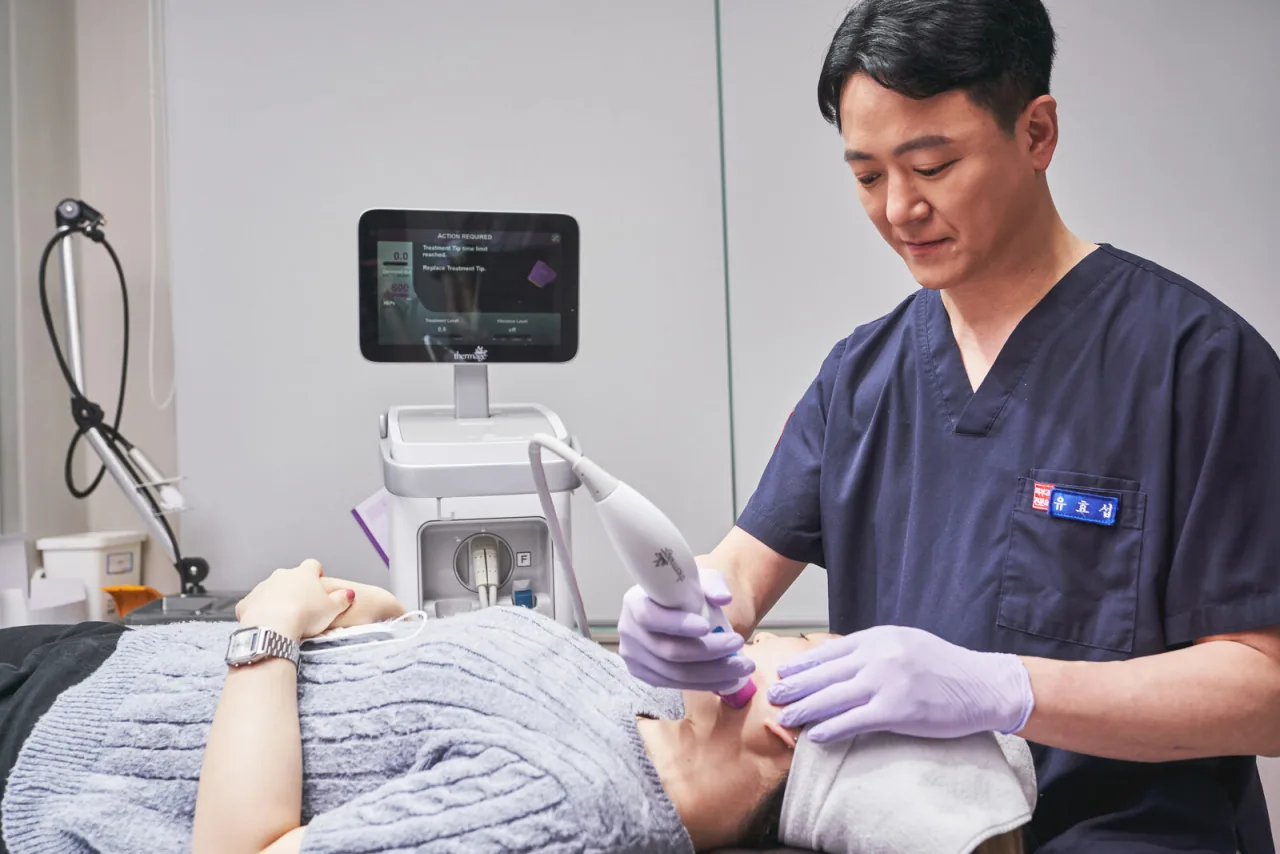
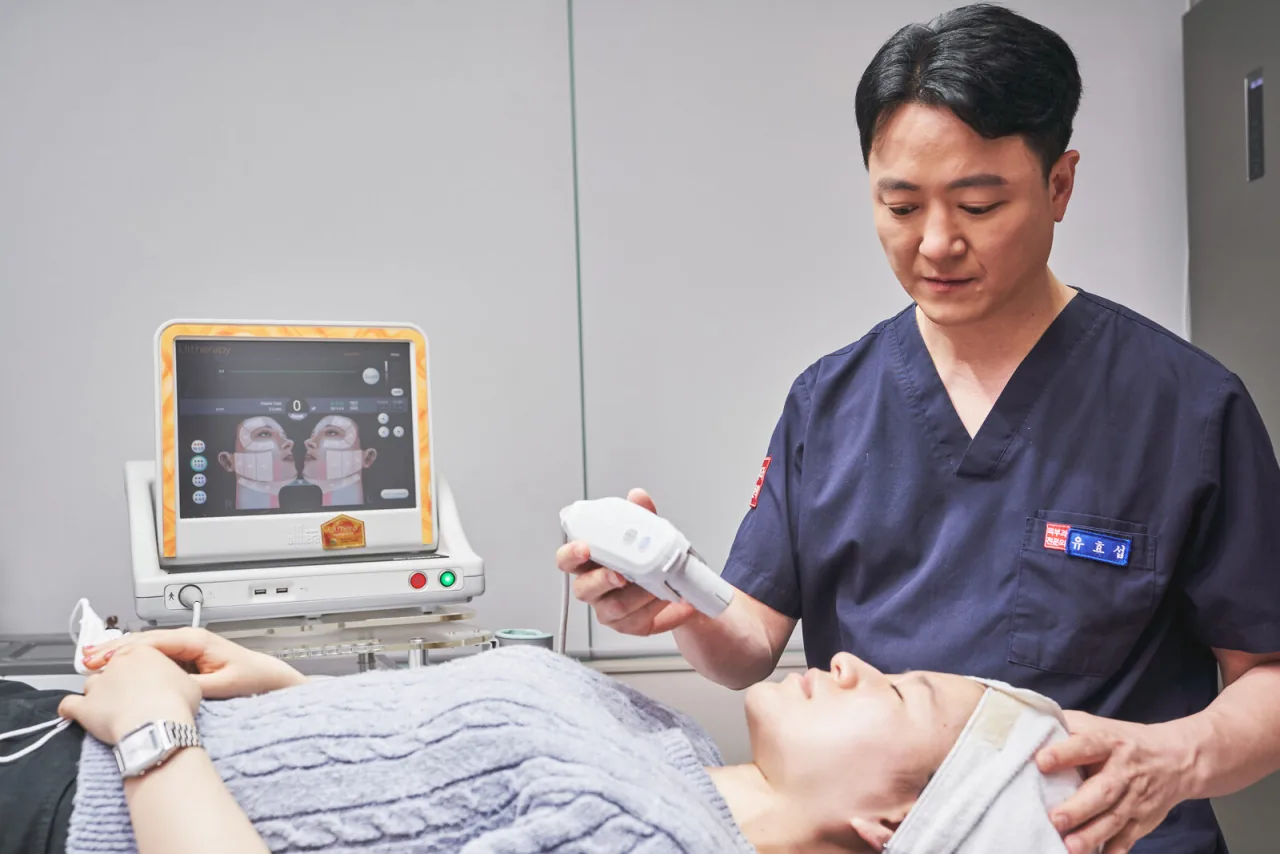
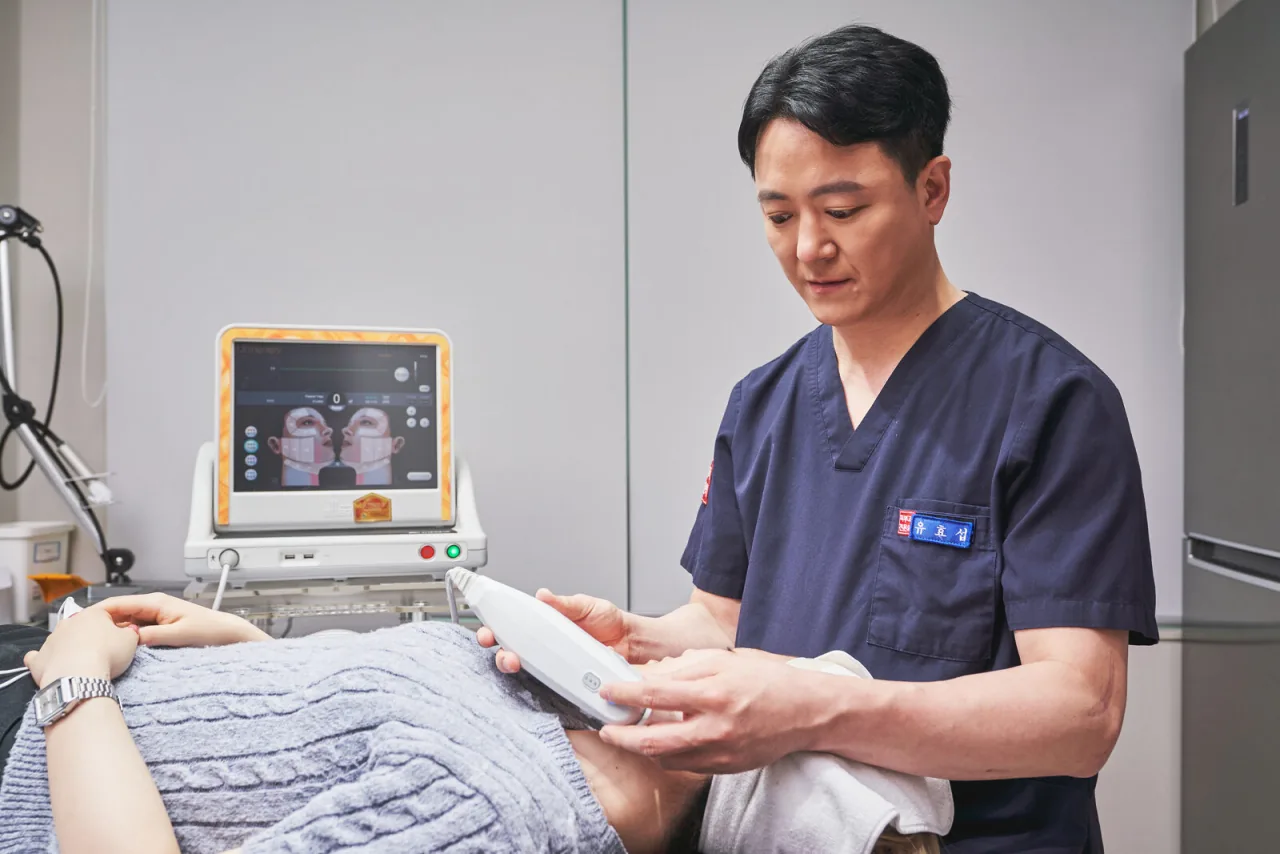
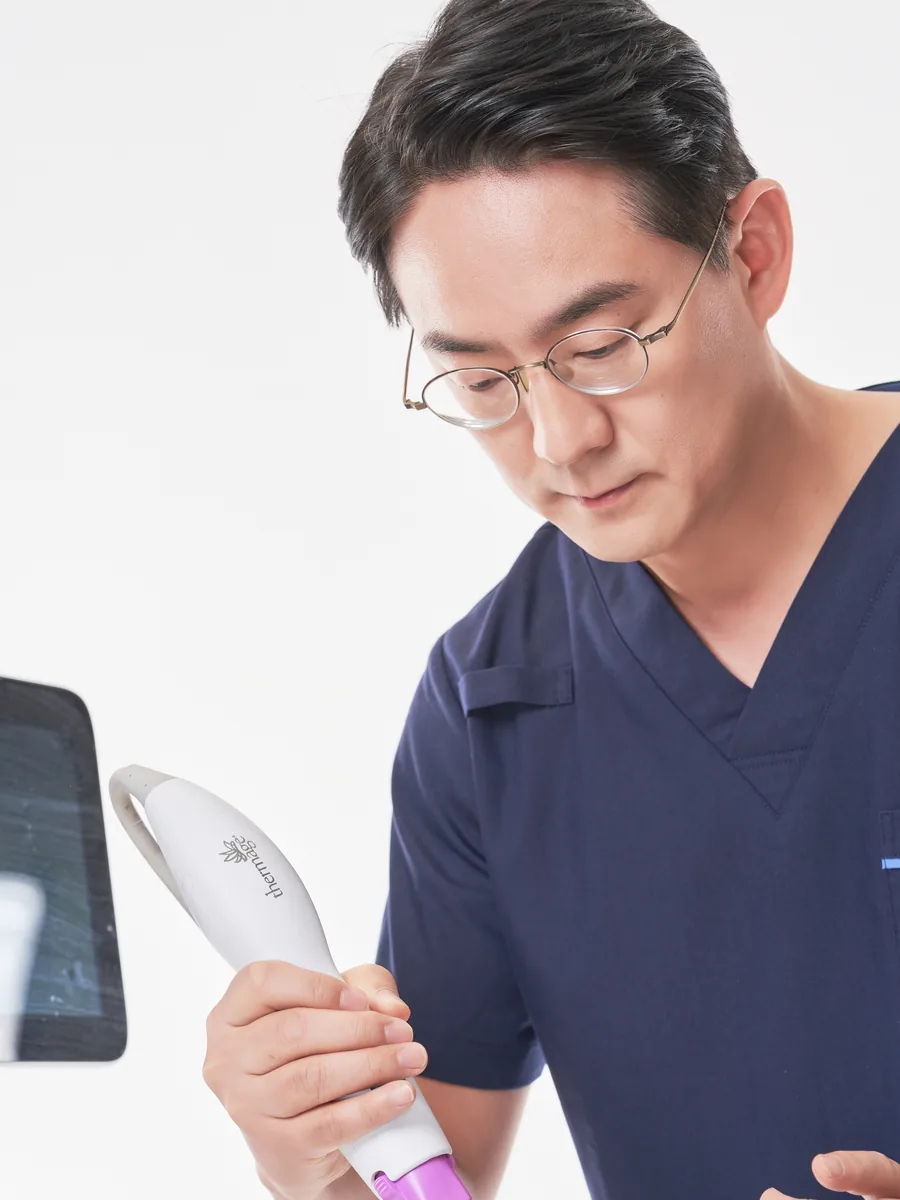
A vascular laser acts locally, on the vessels themselves. Because the end point is physical, widened capillaries, a physical tool that shrinks or closes them is the most direct answer. In the video we talk mainly about Synergy. At WELLS we use Synergy, Clarity and BBL so the wavelength can be matched to your vessels, and treatment can focus on areas such as the nose or cheeks. The details are on our rosacea and broken capillaries page.
Mild flushing can sometimes be managed with medication or skincare; clear vascular changes respond best when treated early.
Rosacea & Broken Capillaries
- What it is
- Vascular lasers (Synergy, Clarity, BBL) that treat the enlarged vessel, not the surrounding skin.
- How it works
- The right wavelength targets the widened capillaries selectively while sparing normal tissue; WELLS uses Synergy, Clarity and BBL to cover the wavelengths needed.
- Sessions
- In the video we describe about three to five sessions, two to three weeks apart, depending on how severe the redness is. Your dermatologist sets the plan.
- Recovery
- Confirmed at consultation. Anesthetic cream is applied beforehand.
- Price
- Confirmed at consultation (₩, VAT excluded)
Why patients fly in for it
- A board-certified dermatologist examines the cause of your redness in person.
- Three vascular lasers (Synergy, Clarity and BBL) to match the wavelength to your vessels.
- Treatment can focus on specific areas, such as the nose or cheeks.
Redness that lasts long after you've cooled down? Send a daylight photo and your travel dates on WhatsApp, and a dermatologist will suggest a plan.
Message on WhatsAppHow many sessions does redness treatment in Seoul take?
Usually not one. Depending on how severe the redness is, we generally plan about three to five sessions, two to three weeks apart, and treating consistently in that rhythm gives a steadier result. Anesthetic cream is applied before each session.
For a visitor, that means one trip starts the course rather than finishes it. If you can stay a few weeks or return, the sessions can be spaced as planned; if not, tell us your dates and the dermatologist will explain what is realistic. The price is confirmed at consultation.
What can you do at home to keep redness from getting worse?
Home care can't shrink widened vessels, but it can help stop redness getting worse. I mostly teach habits rather than products. Think about what makes a face go red and avoid it where you can:
- Hot environments such as saunas and Korean jjimjilbang bathhouses.
- Very hot or strongly spicy, irritating food.
- Sudden temperature swings, especially in winter.
There is nothing complicated about it: common sense about what makes you flush goes a long way. For more on why redness lingers, see my article on rosacea treatment.
What if your redness hasn't responded to treatment?
Some people have tried treatment in several places without much change. For that kind of stubborn redness, a skin microbiome test can help, because it can point to what is behind the chronic inflammation. Treating that cause is another route for redness that has not settled. Dr. Choi explains what the test measures in his video article on skin analysis in Seoul.
Before you fly, send a clear photo taken in daylight and your travel dates on WhatsApp. WELLS is about five minutes on foot from Apgujeong Station (Line 3), Exit 3. Results vary from person to person, and the plan is decided in consultation with your dermatologist.
Want Dr. Choi to look at your skin?
Send a photo and your travel dates on WhatsApp. We reply in English.
Message on WhatsAppQuestions about this video
Which laser is used for redness treatment Korea patients ask about at WELLS?
WELLS uses three vascular lasers, Synergy, Clarity and BBL, and chooses the wavelength for your vessels. Treatment can focus on areas such as the nose or cheeks.
How many sessions will I need?
Usually about three to five sessions, two to three weeks apart, depending on severity. Your dermatologist sets the plan at consultation.
Why not just use a cream?
Topical medicine can work well while you use it, but redness can rebound when it wears off. A vascular laser works locally on the widened vessels.
Why is my redness worse in winter?
Dry air and the switch from cold wind to a warm room aggravate it, so redness that was mild in summer often flares from about November to February.
This article explains general medical information from the video. It is not a diagnosis; results vary by person and are decided in consultation.