Korean Back Acne Treatment Takes More Than One Visit: What Can a Seoul Trip Do? Cost, Reviews and Methods
Back acne needs a diagnosis first, since acne, friction breakouts and yeast folliculitis look alike, then a course of sessions over weeks. One Seoul trip can start that course but rarely finishes it.
Is back acne just face acne in a different place?
Wondering whether a Korean back acne treatment can clear years of breakouts across your shoulders and upper back in a single trip to Seoul?
Read this before you plan your leave around it.
You'll know which methods are used for back and chest acne, what decides the cost, what reviews get right and wrong, and how many visits a workable plan usually takes. That way you can decide how a Seoul trip fits your back, your calendar and your budget.
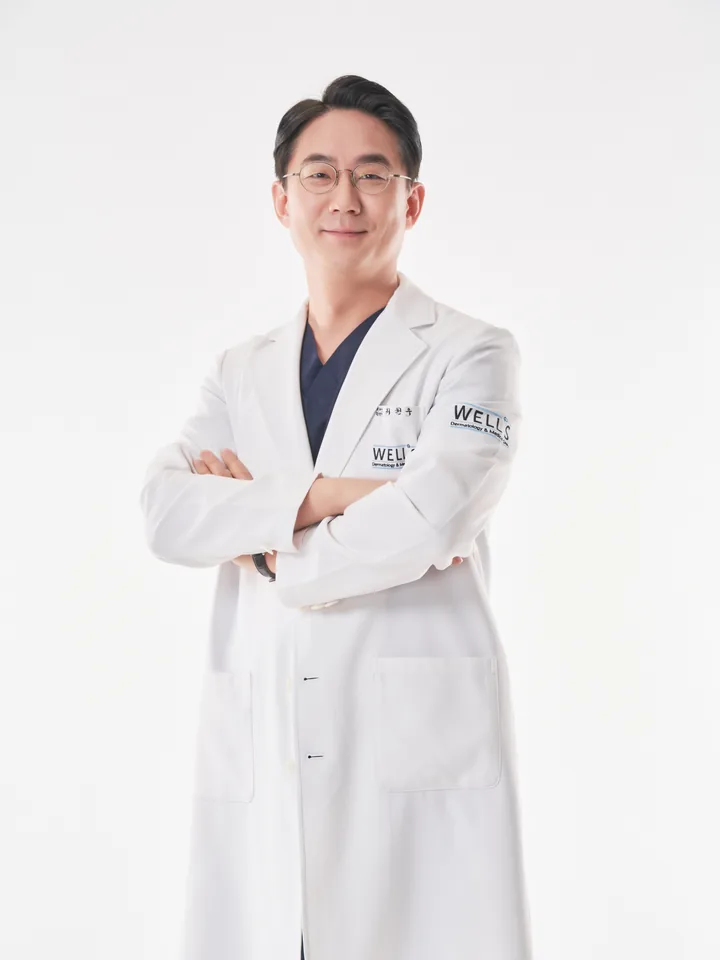
Hello, I'm Dr. Won Woo Choi (Medical Director · M.D., Ph.D.), a board-certified dermatologist and adjunct professor in the Department of Dermatology at Seoul National University Hospital.
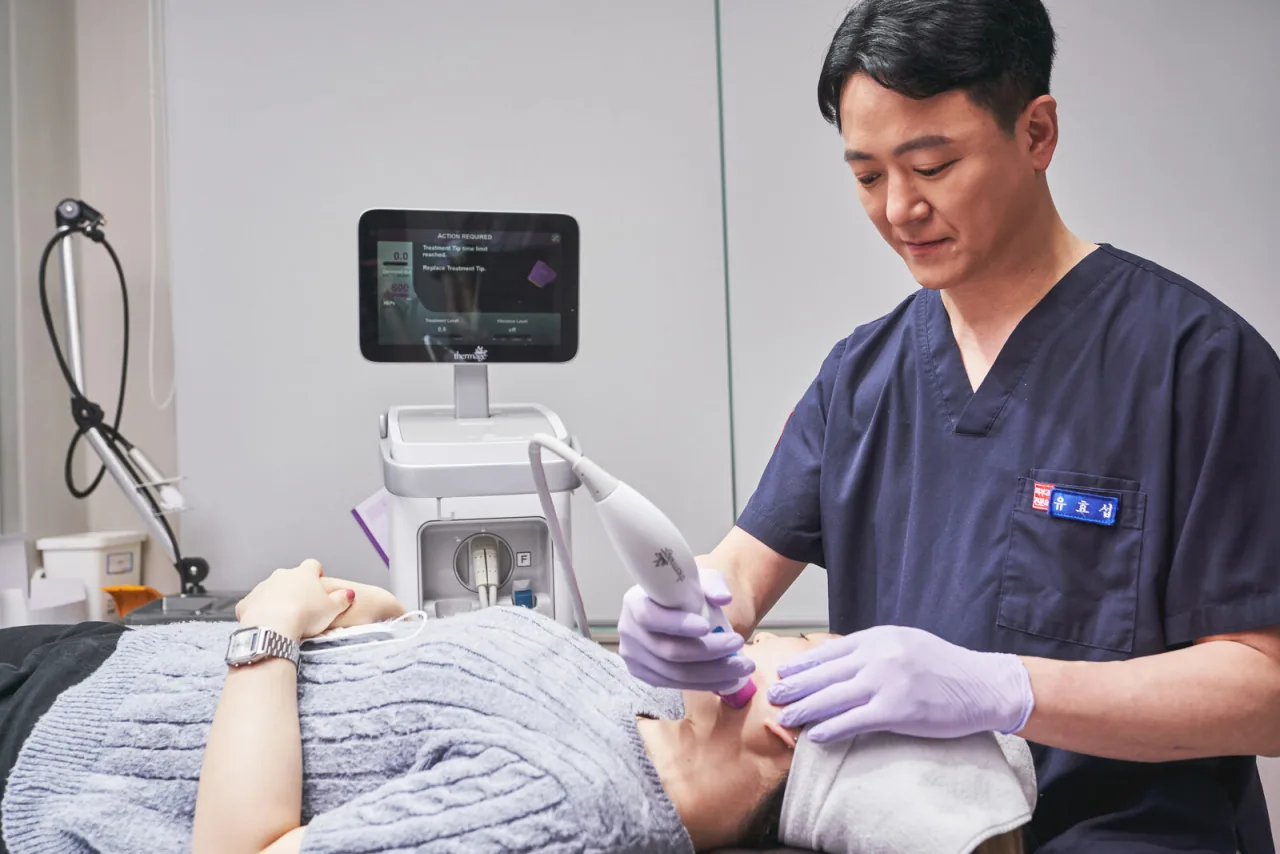
At WELLS Clinic in Apgujeong, a dermatologist consults and treats. Our acne menu is chosen by the type of acne: Gold PTT, Blue PDT, 1450 nm acne toning and chemical peels. The Aladdin and FCR peels on that menu are described as working on back and chest acne.
I wrote this because back acne is often handled as face acne a little further down, and that belief sends people to the wrong products and the wrong expectations.
The short answer: back breakouts need a diagnosis first, because bacterial acne, friction acne and yeast folliculitis can look alike, and then a course of sessions spread over weeks. One trip to Seoul can start that course; it rarely finishes it.
If you'd like to know where your back fits, send two daylight photos of your back on WhatsApp, one of the shoulders and one lower down, with a list of what you've already tried, and ask whether your days in Seoul are enough for a first round.
Send a clear photo and your travel dates, and we will tell you what fits the time you have in Seoul.
Send photos of your back on WhatsAppPartly. The basic process is the same: oil, dead skin cells and bacteria block a follicle and inflame it. But the back adds three things the face doesn't have. The skin is thicker, it sits under straps, backpacks and car seats all day, and it sweats under clothing that traps heat.
That's why some back breakouts are friction acne, which flares where something rubs. It's also why a separate condition often gets mistaken for acne entirely. Yeast folliculitis, an overgrowth of the Malassezia yeast that lives on normal skin, shows up as small, itchy bumps of similar size, often after heat and sweating, and antibacterial acne treatment doesn't touch yeast.
Why Korean face wash routines rarely reach the back
Related searches show people looking for a Korean face wash for acne and hoping it will work on the back too. A cleanser sits on the skin for seconds and is rinsed away. It helps keep the surface calm, but it can't reach an inflamed follicle deep in thicker back skin.
What helps at home is mostly general care. The American Academy of Dermatology advises against scrubbing acne-prone skin, because scrubbing irritates it. Showering soon after sweating, changing out of damp workout clothes and choosing loose layers over tight synthetics lower friction and heat.
Body washes with acne ingredients such as benzoyl peroxide or salicylic acid can help mild cases, especially if left on for a short time before rinsing. Benzoyl peroxide can bleach towels and fabric, so use white ones.
If you've done all this for months and the back still breaks out, especially with deep, painful bumps or marks that linger, home care has done what it can. The difference is covered in more depth in how skincare and clinic treatment for acne differ.
Methods used for back and chest acne at WELLS
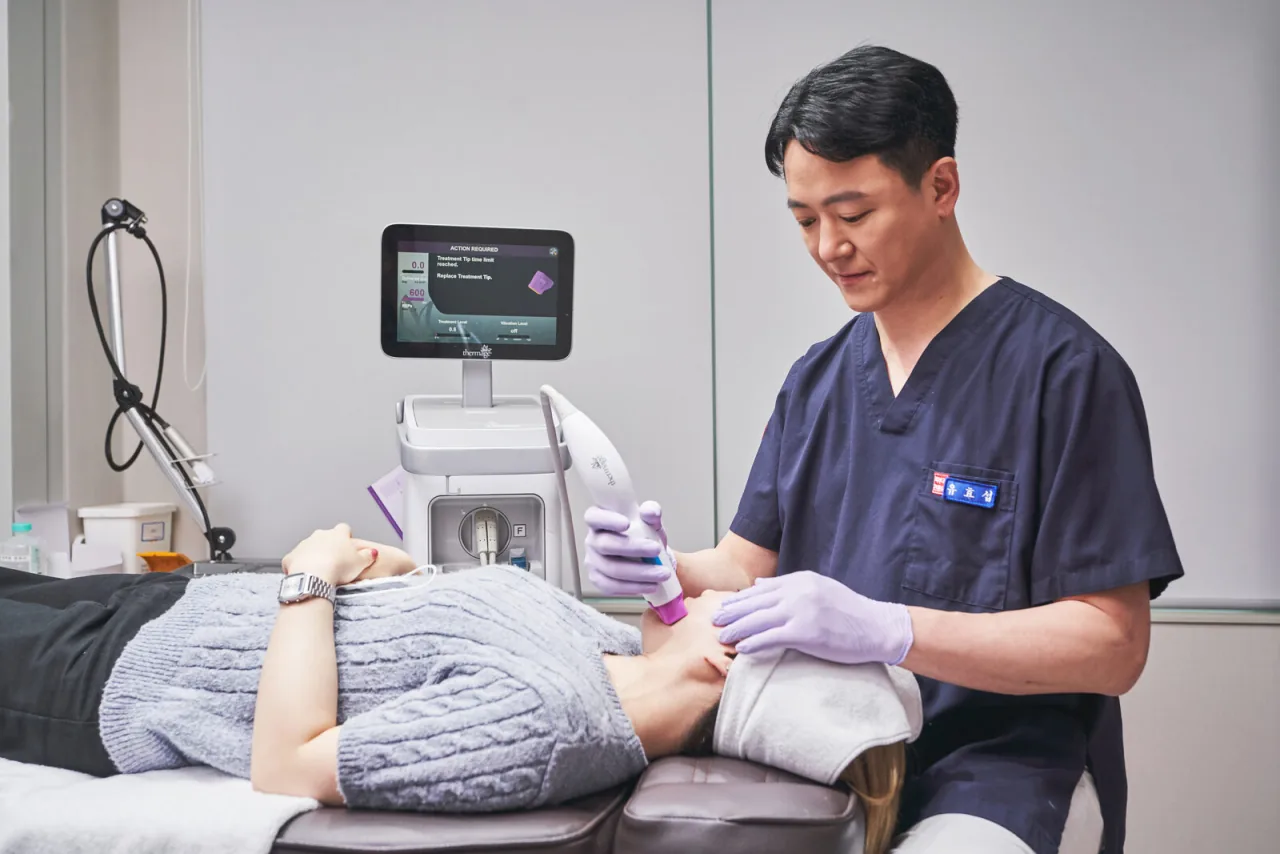
In short, this is what the acne menu includes, and where each one fits.
- Aladdin and FCR peels: exfoliate dead skin cells and stimulate collagen; the menu names them for back and chest acne.
- Gold PTT: a gold nanoparticle ampoule is applied and activated by laser to shut down the sebaceous gland, weekly for 3–5 sessions, with little disruption to daily life.
- Blue PDT: uses no photosensitizer, so you can go out straight afterwards.
The menu describes these as chosen by the type of acne, and the peels are the ones named for the back. Whether a light or laser treatment is also used on your back is a question to ask at consultation, once the dermatologist has seen whether your bumps are acne, friction or yeast.
If deep, painful nodules are part of the picture, prescription medicine may come into the conversation alongside procedures. The AAD notes that acne treatment takes time, often weeks, before improvement shows, which is worth knowing before you judge a first session.
Can one trip to Seoul clear it?
For most people with active back acne, no. One trip can start a course; it rarely completes one. Gold PTT, for example, runs weekly for 3–5 sessions, so a two-week stay fits the first two at most.
The calendar matters. WELLS is open Monday to Friday 10:00–20:00 and Saturday 10:00–17:00, closed Sundays and public holidays, with lunch from 13:00 to 14:00. If your back is the main reason for the trip, book the first visit early in your stay, so there's time for a second session before you fly.
Say you're 31, you've had breakouts across your shoulders since college, you've used an acid body wash for a year, and you're in Seoul for twelve days. I'd want your first visit in the first two days. If the diagnosis is acne and not yeast, a first session then and, if your skin tolerates it, a second about a week later is a workable shape for that trip.
Korean back acne treatment on a trip works as a start, so what happens after you fly home matters as much. The course continues with a dermatologist near you, and the order in which acne treatments are usually tried is worth knowing before that handover.
If your dates are set, message with your arrival and departure days and a close-up photo of the worst area, and ask how many sessions those dates can hold.
Send a clear photo and your travel dates, and we will tell you what fits the time you have in Seoul.
Send photos of your back on WhatsAppWhat do reviews get right and wrong about back acne in Korea?
Forum posts about back acne treatment in Korea repeat a handful of claims.
“A Korean clinic cleared my back in a week.” Breakouts can calm quickly after a peel or a first session, and some marks start to fade. Acne that has lasted years usually needs several sessions and ongoing care, so a calm week is the start of the course.
“Peels made it worse before it got better.” Some irritation, dryness or a few new spots after a peel can happen. Ongoing worsening is something to report to the doctor instead of pushing through.
“It was fungal all along.” For some people, yes, which is why the diagnosis comes first. For others it's ordinary acne, and treating it as fungal wastes time.
Dark marks or scars: which one is on your back?
After breakouts heal, two different things can remain. Flat brown or reddish marks are usually post-inflammatory hyperpigmentation, discoloration left behind by inflammation; DermNet notes it often fades by itself over months, and it can take longer in darker skin. Indented or raised marks are scars, and they don't fade on their own.
The difference changes the plan. Marks call mainly for clearing the acne and protecting the skin from sun and picking. Scars need their own treatment once the acne is controlled.
On the scar menu, WELLS lists Fractional Picosecond Laser Treatment, which works inside the dermis without a wound dressing, with redness that usually clears in 3–4 days. Mosaic fractional laser, microneedle RF and other options are combined by scar type; ask whether they suit your back, since body skin heals at its own pace. If scars are your main concern, planning acne scar treatment around a Seoul trip goes into sessions in more detail.
Risks and side effects to know
Common reactions are temporary. After peels, expect redness, tightness and some flaking for a few days; after light or laser sessions, redness and warmth that usually settle within hours to a few days. Treated skin stays more sensitive to sun for a while, and a back exposed on beach days or at a pool is at more risk.
Some people should wait or tell the doctor first. That includes anyone who has taken isotretinoin recently, since many doctors delay peels and lasers for months afterwards; anyone with a sunburn, a fresh tan, an infection or broken skin on the back; and anyone pregnant or breastfeeding, since some acne ingredients and treatments are avoided then. If you tend to develop dark marks after inflammation, which happens more often in deeper skin tones, say so at the start.
Hormonal patterns, such as flares before a period, may call for a different conversation; the AAD describes hormonal therapy as one option for some women with acne. Responses to every treatment differ from person to person.
If a reaction appears after you fly home, such as blistering, spreading redness, warmth or pain that keeps getting worse, see a local doctor promptly. The U.S. Centers for Disease Control and Prevention advises medical travelers to arrange follow-up care at home and keep copies of their records, so keep the names of what was used with you.
Korean scalp treatment in Seoul: exosome, stem cell or PRP, and trips go further into what usually comes next.
What decides the cost of back acne treatment in Seoul?
There's no figure here, because the main factors are specific to your back. The area comes first: upper back only, the whole back, or back and chest together. The method matters, a peel, a light-based treatment or a laser, and so does the number of sessions your dates allow. Treating marks or scars on the same trip adds its own step, and prescription medicine, if needed, is separate from procedures.
To get the figure for your own case, ask on WhatsApp what Korean back acne treatment would cost for you, with a photo of the area you want treated. One photo is enough to start, and you can ask before booking anything. When you come in, a dermatologist examines your back, works out whether it's acne, friction or yeast, and recommends the treatment that fits.
Plan your visit before you fly
Send a daylight photo, your travel dates and what you have tried before. A dermatologist will suggest where to start and what fits your stay.
Send photos of your back on WhatsAppReplies on WhatsApp · prices in KRW, excluding 10% VATBefore you message us
How many sessions does Korean back acne treatment usually take?
It depends on what the bumps turn out to be and how deep they are. Gold PTT, for example, runs weekly for 3–5 sessions, so plan on a course that starts in Seoul and continues with a dermatologist at home.
Can I treat my back and face on the same trip?
Mention both areas and send a photo of each when you first message.
Can I swim or sunbathe after a back peel?
Treated skin is more sensitive to sun for a while, and sunburn on freshly treated skin raises the chance of dark marks. Schedule beach or pool days before treatment, or keep the back covered afterwards.
Should I stop my acne medicine before coming to Seoul?
Don't stop anything on your own. Bring a list of what you take, including any isotretinoin in the past year, since that affects whether peels or lasers are suitable.
Can I exercise after a back acne session?
Sweat, heat and friction from straps can irritate freshly treated skin, so many people skip hard workouts for a day or so. Ask at your session what applies to the method used on your back.
Results and recovery vary by individual. Every treatment carries possible side effects, which are explained at the consultation. Prices are in Korean won, excluding 10% VAT, and confirmed at your consultation. This article is general information from the clinic, not a diagnosis.
Dr. Won Woo Choi
- Board-certified dermatologist in Korea; trained at Seoul National University Hospital
- Dermatology residency, Seoul National University Hospital; board certification in dermatology in Korea
- Ph.D. in Dermatology, Seoul National University
- Former clinical instructor, Seoul National University Hospital
- Adjunct professor, Department of Dermatology, Seoul National University Hospital