Milia vs Comedone: Which Bump Is It? Removal Cost, Recovery, Reviews and Treatment Methods
Milia are tiny keratin cysts with no pore opening; closed comedones are blocked pores. Acne treatments help comedones but not milia, which usually need careful removal by a dermatologist.

How to tell milia vs comedone apart in the mirror
Small white bumps that no acid or scrub will shift, and you can't settle milia vs comedone, so you don't know whether to keep treating them like acne?
Give this ten minutes before you buy another exfoliant or reach for a needle.
You'll learn how to tell the two apart in the mirror, which treatment methods fit each, what decides the removal cost, what recovery looks like and which forum tips hold up, so your money goes on the fix your skin needs.
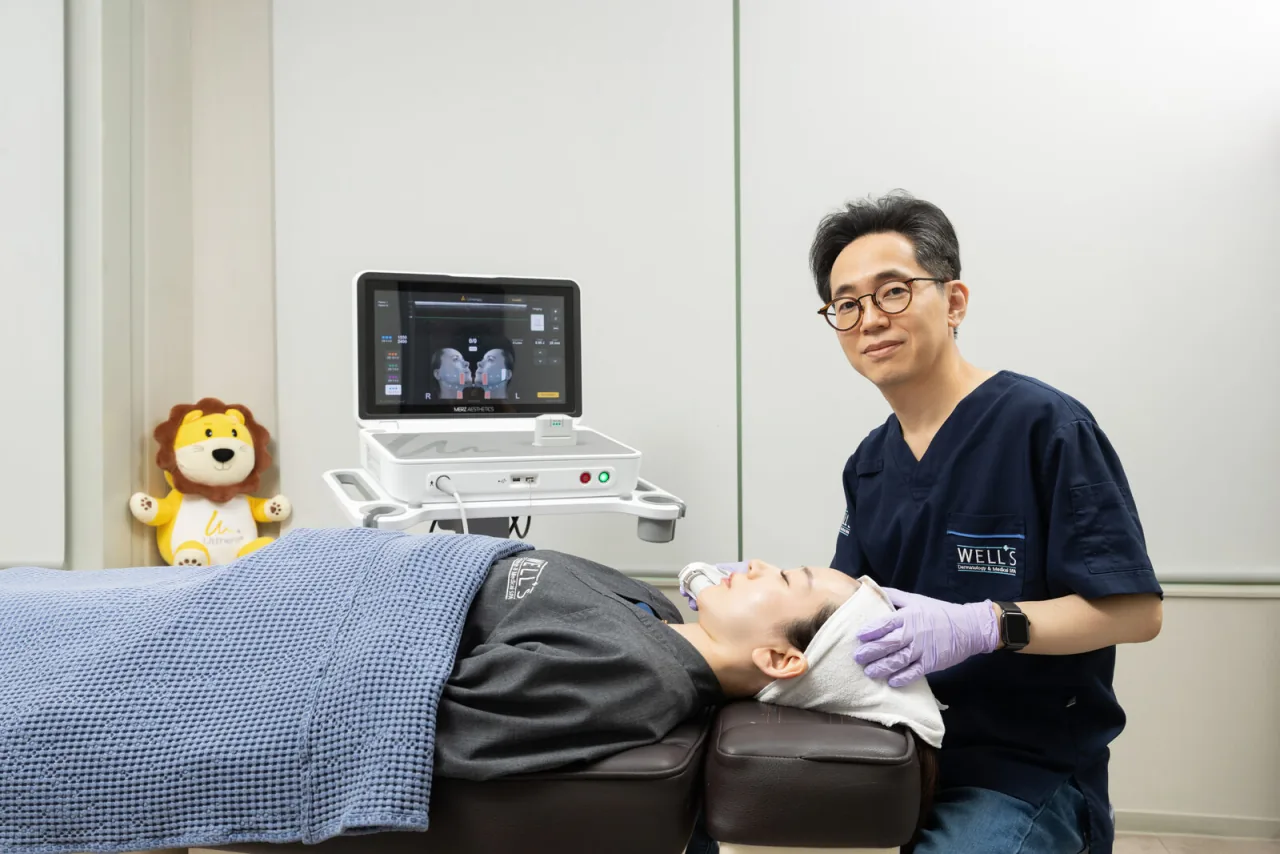
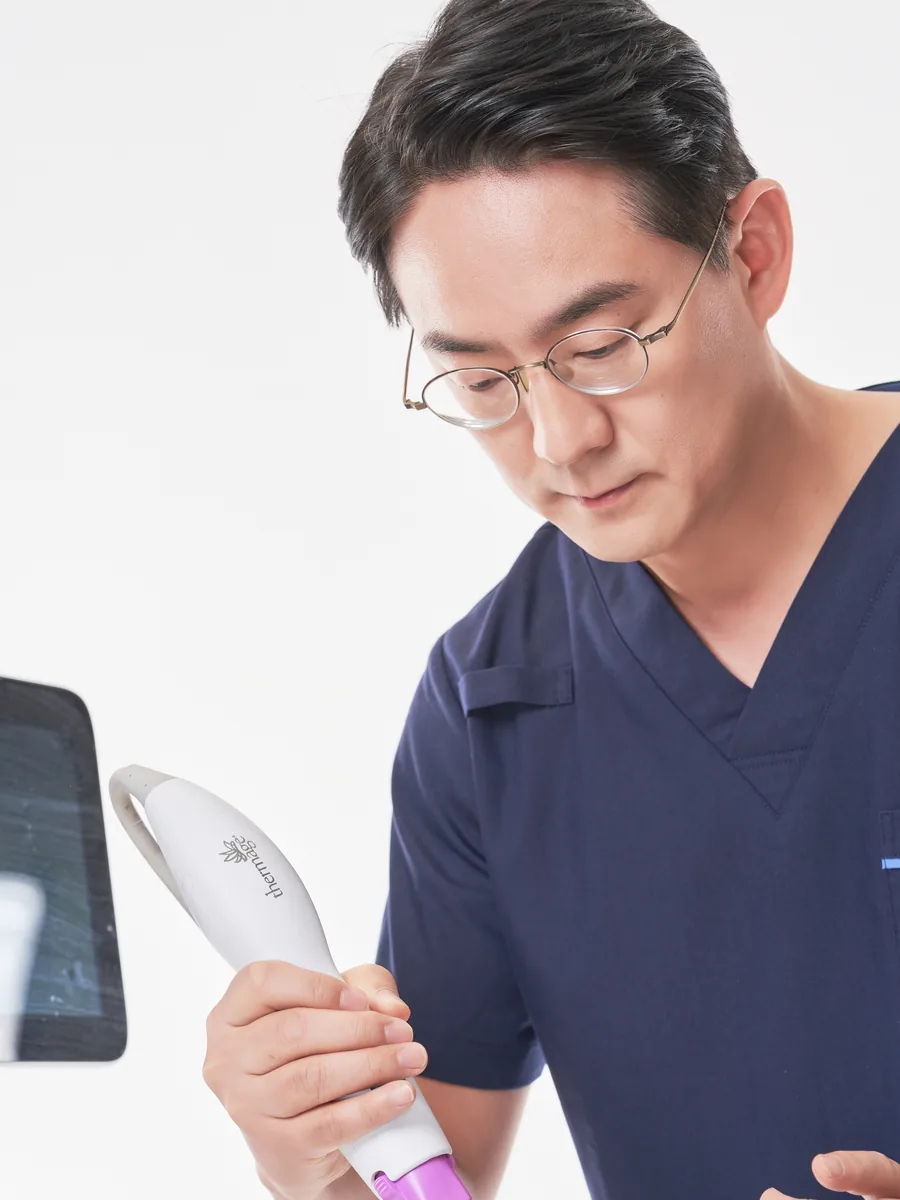
Hi, I'm Dr. Won Woo Choi, a dermatologist and Medical Director (M.D., Ph.D.) at WELLS in Apgujeong, Seoul.
I hold a Ph.D. in dermatology from Seoul National University. At WELLS, a board-certified dermatologist examines your skin and does the treatment, and acne care is chosen by the type of acne, from peels and 1450 nm acne toning to Gold PTT and Blue PDT.
I wrote this because treating milia like acne is a common detour: months of exfoliants, then picking, then a mark that outlasts the bump.
Milia are tiny keratin cysts with no opening to the surface, so acne products can't reach them. A closed comedone is a pore blocked with oil and dead skin, and it does respond to acne treatment. Milia usually need a dermatologist to open the skin over them and lift the contents out; comedones need the pore cleared and kept clear.
Not sure which one you have? Take one close-up in daylight with the bumps in focus and one wider shot that shows where they cluster, then send both on WhatsApp with a list of the products you use. Ask: milia, comedones or something else? Your conversation then starts from your own skin, not a description of it.
Send a clear photo and your travel dates, and we will tell you what fits the time you have in Seoul.
Send a close-up of your bumps on WhatsAppMilia are usually one to two millimeters across, pearly white and hard, like a grain of sand under the skin. They favor thin skin: the eyelids, under the eyes and the upper cheeks. Closed comedones are skin-colored or whitish, a little softer, and gather on the forehead, chin and jaw. They show up most when you stretch the skin or stand in side light.
The confusion is understandable. The NHS notes that whiteheads can be firmer than blackheads and won't empty when squeezed, which is exactly why people mistake them for milia.
| Clue | Milia | Closed comedone |
|---|---|---|
| What it is | Keratin sealed in a tiny cyst | Oil and dead skin plugging a pore |
| How it feels | Hard, like a grain of sand | Softer, slightly raised |
| Usual places | Eyelids, under the eyes, upper cheeks | Forehead, chin, jawline, nose |
| Turns into a red spot | Rarely | Often, as a pimple |
| Responds to acne products | Rarely | Usually, over several weeks |
If your bumps sit in both columns, you may have both. That's common, and it means two plans.
Milia or closed comedones: why the treatment splits here
A comedone forms inside a hair follicle. Dead skin cells don't shed properly, mix with oil and plug the opening. Acne treatments work on that process: the American Academy of Dermatology describes retinoids as a mainstay for whiteheads and blackheads because they help keep the follicle from clogging.
A milium is sealed off from the surface. There's no pore for a retinoid, salicylic acid or a peel to work through, so the keratin stays where it is. Adult milia can follow heavy eye creams, sun damage, or skin injury, including resurfacing and needling treatments; they sometimes appear a few weeks after procedures such as microneedle RF in Seoul.
Which acne methods at WELLS fit closed comedones?
None of the four methods below remove milia. They are for comedones and the acne that grows from them, and they suit different skin.
Peels (Aladdin and FCR). These exfoliate dead skin cells and stimulate collagen, and they also work on back and chest acne. For a band of closed comedones on the forehead, a peel is the most direct of the four, because the problem is shedding.
1450 nm acne toning. This laser heats the sebaceous gland with very little discomfort, and we have ten years of clinical data with it. It suits you if comedones come with oily skin and breakouts that keep returning.
Gold PTT. A gold nanoparticle ampoule is applied and then activated by laser to target the sebaceous gland. It runs weekly for three to five sessions, so it fits someone living in Seoul or staying for weeks rather than a short trip.
Blue PDT. It uses no photosensitizer, so you can go out straight afterwards. Blue light mainly acts on acne bacteria in inflamed spots, so for pure closed comedones without red pimples it's the least direct choice.
Say you're in Seoul for six days, with a few hard white dots under one eye and skin-colored bumps across your forehead that get worse with a thick sunscreen. That's probably two problems. The dots under the eye point toward milia, which would be confirmed and removed individually. The forehead points toward comedones, where a peel during the trip and a retinoid routine at home make more sense than a weekly program you can't attend.
What else looks similar to milia?
Several bumps get mistaken for milia, and some of them should not be picked at all.
- Syringoma. Small, flesh-toned bumps around the eyes. They sit deep in the dermis, resemble milia, recur easily and should be confirmed by a dermatologist before treatment.
- Flat warts. Often two to three times more numerous than you can see. Picking spreads the virus, so they need a dermatologist to find and treat even the smallest ones.
- Sebaceous hyperplasia. Soft, yellowish bumps with a tiny central dip, common on the forehead and cheeks in adults.
- Xanthelasma. Flat yellow patches on the eyelids, which can be linked to cholesterol levels and are worth mentioning to your own doctor.
Under the eyes, where most adult milia appear, the skin is thin enough that removal needs a steady hand; I go through that area in how to get rid of milia under the eyes.
How is milia removed, and what is recovery like?
In general, a dermatologist opens the thin skin over each milium with a fine sterile needle or blade and lifts the keratin out. It takes seconds per bump. Most people feel a quick prick, and the spot looks like a tiny red dot or scab for a few days. Makeup can usually go on around it the next day, though not over the opened spot.
Comedone treatments recover differently. After a peel, light flaking for a few days is common. After Blue PDT you can go out straight away. Acne toning and Gold PTT usually leave you with mild redness that settles the same day for many people.
Risks and who should wait
The common reactions are short-lived: redness, a pinpoint scab after milia removal, and some flaking or tightness after a peel. The real risk comes from home extraction. Squeezing a milium usually fails, and repeated attempts can scar or leave a brown mark; DermNet describes how inflammation in the skin can leave postinflammatory hyperpigmentation, which can last for months and shows more on darker skin.
Holding off is wise in these cases, as general medicine:
- active infection, cold sores or eczema flaring in the area
- isotretinoin taken in the past several months, before a peel or laser
- a fresh sunburn or tan on the face
- pregnancy or breastfeeding, before peels and some acne medications
If after you fly home a spot becomes hot, swollen or oozes, or redness spreads instead of fading within a week, see a doctor locally and mention what was done in Seoul and when.
When the worry is a specific cluster, send on WhatsApp one photo of just that area taken from about a hand's width away, and add how long the bumps have been there. Ask whether they look like something to remove or something to treat.
Send a clear photo and your travel dates, and we will tell you what fits the time you have in Seoul.
Send a close-up of your bumps on WhatsAppWhat decides the cost of milia removal or comedone treatment?
The cost of milia removal follows a few things you can mostly see in the mirror:
- The diagnosis. Milia, syringoma, flat warts and comedones are handled differently, and some need several visits.
- How many and where. A handful on the cheek is quicker than a crowded line along the eyelid.
- The method for comedones. A single peel, acne toning or a course of Gold PTT are different commitments.
- Sessions and your days in Seoul. A weekly program only makes sense if you can come back for it.
If you're adding a lifting treatment to the same trip, for example Onda microwave lifting, mention the bumps when you ask so the skin check is part of the plan. For a figure, ask on WhatsApp what removal or treatment would cost for your case, with the number of bumps and where they are.
What forum advice gets wrong about milia and comedones
Reviews and forum threads on milia vs comedone repeat four tips, and they're mixed.
“Use a comedone extractor on milia.” This doesn't work, because there is no opening to push the keratin through. Pressing hard is how marks start.
“Retinol will clear milia.” It can help prevent new ones in some people and does help comedones, but it rarely clears milia already formed.
“Heavy creams cause milia.” Thick eye creams can contribute for some people, so switching to a lighter one is reasonable.
“Milia go away on their own.” In newborns they usually do. In adults they often persist for months or longer.
If picking has already left small pitted marks, that is a scar question rather than a milia question, and what Potenza RF microneedling covers and costs is a separate read.
When you're ready, send on WhatsApp a daylight close-up and a wider photo of your face, the products you use morning and night, and the dates you'll be in Seoul, with the one question you most want answered. You can ask before booking anything. When you come in, a dermatologist examines the bumps and recommends the method that fits your skin.
Plan your visit before you fly
Send a daylight photo, your travel dates and what you have tried before. A dermatologist will suggest where to start and what fits your stay.
Send a close-up of your bumps on WhatsAppReplies on WhatsApp · prices in KRW, excluding 10% VATBefore you message us
Can I remove milia at home with a comedone extractor?
It rarely works, because milia have no opening for the keratin to come out of. Pressing or picking can leave a scar or a brown mark that lasts longer than the bump. Removal with a sterile needle by a dermatologist is the usual approach.
Do retinoids help milia as well as comedones?
Retinoids are a mainstay for closed comedones. For milia, they may help prevent new ones in some people but seldom clear the ones you already have.
How can I tell milia from warts?
Milia are hard, pearly white dots. Flat warts are usually skin-colored or light brown, slightly flat-topped and often more numerous than you notice. Since picking spreads warts, have a dermatologist look before you touch either.
Does milia removal hurt?
Most people describe a quick prick for each bump. Around the eyelids it can sting briefly. A numbing cream is sometimes used; ask before your visit.
Can milia come back after removal?
A removed milium usually doesn't return in the same spot, but new ones can form, especially if a heavy cream, sun damage or a recent skin procedure was behind them.
Results and recovery vary by individual. Every treatment carries possible side effects, which are explained at the consultation. Prices are in Korean won, excluding 10% VAT, and confirmed at your consultation. This article is general information from the clinic, not a diagnosis.
Dr. Won Woo Choi
- Board-certified dermatologist in Korea; trained at Seoul National University Hospital
- Dermatology residency, Seoul National University Hospital; board certification in dermatology in Korea
- Ph.D. in Dermatology, Seoul National University
- Former clinical instructor, Seoul National University Hospital
- Adjunct professor, Department of Dermatology, Seoul National University Hospital