Korean with Acne in Seoul: Which Treatment Fits? Cost, Reviews and Methods
Whether you're korean with acne or visiting Seoul with it, clinic care starts by sorting the type. Inflamed spots, oily skin, clogged pores and scars each match different treatments, from Blue PDT to fractional pico laser.

Which treatments help inflamed spots that keep coming back: Blue PDT or Gold PTT?
Are you korean with acne, or visiting Seoul with breakouts, and not sure which treatment actually fits your skin?
It's worth reading on before you book anything or buy a trip around it.
After this post you'll know what shapes the cost, how the main methods differ by acne type, and what review threads claim versus what is medically true, so you can decide what to ask for and how many days to plan.
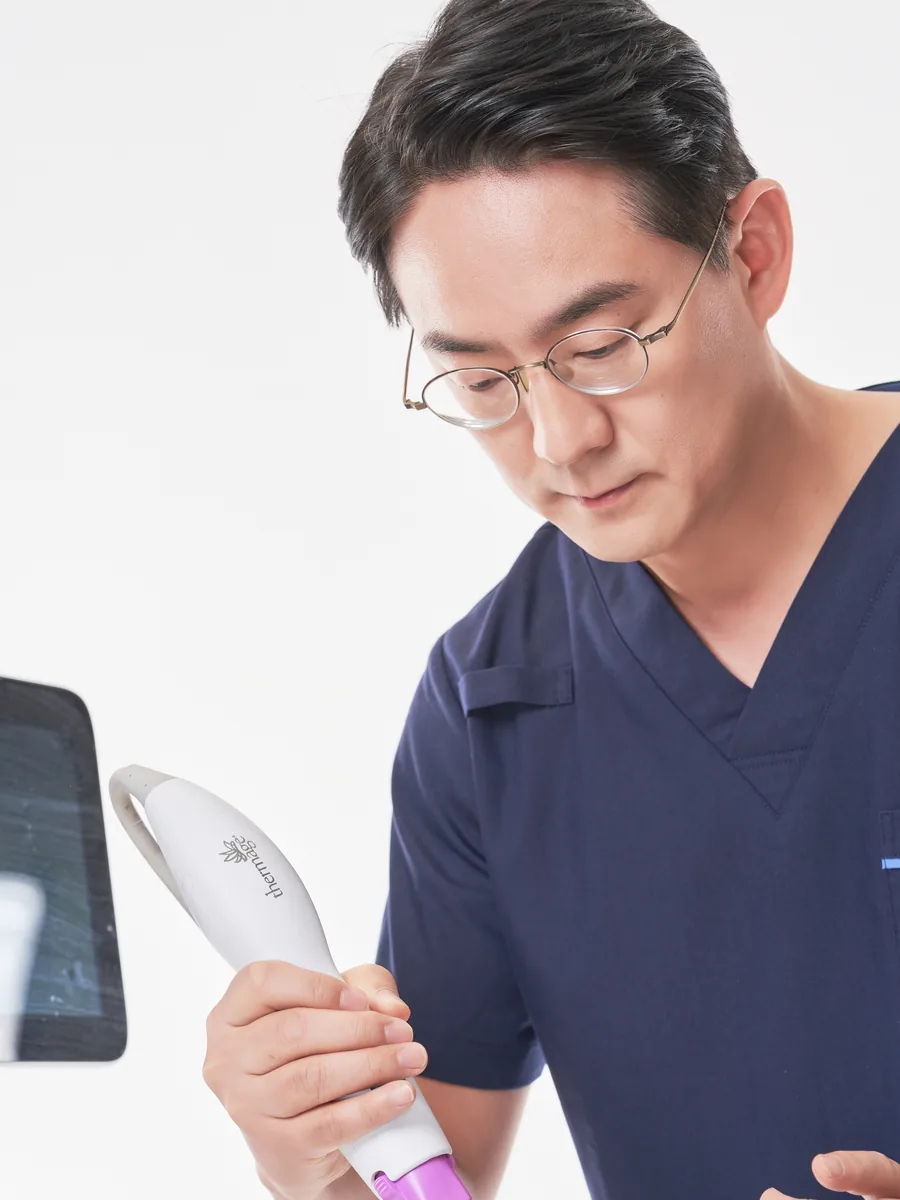
Hello, I'm Dr. Won Woo Choi, Medical Director · M.D., Ph.D.
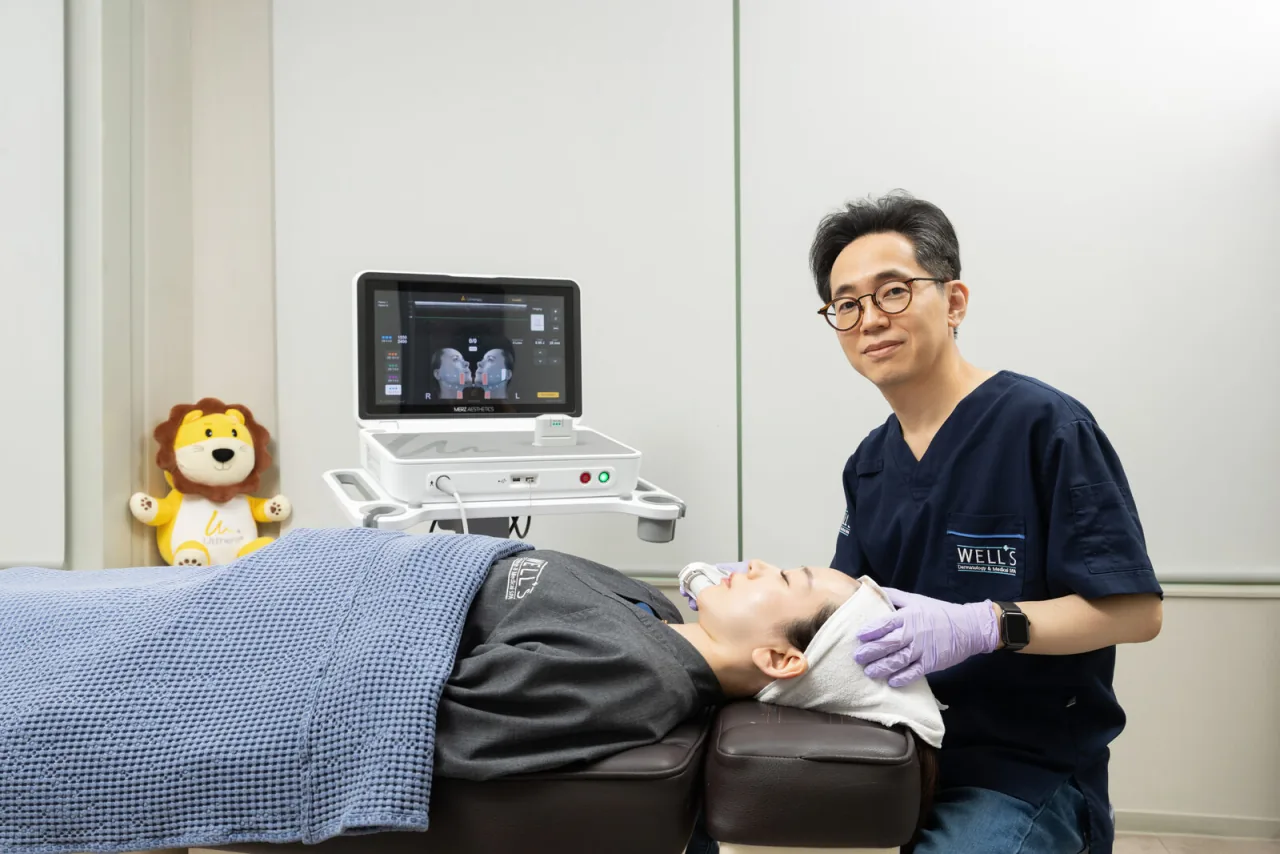
At WELLS Clinic in Apgujeong, Gangnam, a board-certified dermatologist handles your consultation and treatment personally. The clinic has been open since 2008 and took part in a 2016 acne microbiome study with research institutions in the US and Luxembourg.
Many people write to me because they assume acne is one problem with one fix, or that a good skincare routine alone should clear it.
In practice the treatment follows the type: inflamed spots, oil, clogged pores and scars each respond to something different, so sorting the type comes first.
Send a clear photo and your travel dates, and we will tell you what fits the time you have in Seoul.
Ask your acne question on WhatsApp| What your skin is doing | What's usually considered | Trip notes |
|---|---|---|
| Red, inflamed spots that keep returning | Blue PDT or Gold PTT | Blue PDT: go out straight afterwards. Gold PTT: weekly, 3 to 5 sessions |
| Oily skin, breakouts that track oil | 1450 nm acne toning | Almost no pain |
| Clogged pores, back or chest acne | Aladdin or FCR peel | Works on body acne as well as the face |
| Depressed acne scars | Fractional picosecond laser, Juvelook | Pico redness usually clears in 3 to 4 days |
| Redness and visible capillaries | Vascular laser (Synergy, Clarity, BBL) | Can treat just the nose or cheeks |
| Deep, painful nodules | Prescription treatment first | Medication takes at least 6 to 8 weeks to show (AAD) |
Blue PDT and Gold PTT both target active, inflamed acne.
Gold PTT works in three steps. Daily life is barely disrupted between sessions.
Blue PDT is the easier fit for a short visit because there's nothing to wait out afterwards. Gold PTT suits someone who can be in Seoul across several weeks, such as an expat, a student or a teacher on a long contract. A one-week visitor might fit one or two sessions, which is a start rather than a full course.
If you want the bigger picture first, which acne treatments come first, and why lays out the order step by step.
What does a 1450 nm laser do for oily, acne-prone skin?
WELLS has ten years of clinical data with this laser.

The American Academy of Dermatology describes laser or light-based therapy as one possible part of a plan for mild-to-moderate acne. It also asks patients to give any plan at least 6 to 8 weeks before expecting fewer breakouts. For a visitor, that means a laser session in Seoul is the beginning, and what you use at home in the following weeks shapes how it goes.
The laser suits people whose breakouts follow their oil: shiny by midday, worse in humid weather. It fits less well when deep, painful nodules are the main problem, because those usually need prescription treatment first. For how laser visits are counted and spaced, see which acne laser, and how many visits to plan.
Can peels help with clogged pores and back or chest breakouts?
Aladdin and FCR peels exfoliate dead skin cells and stimulate collagen, and they work on back and chest acne as well as the face. A peel suits skin where blackheads, whiteheads and rough texture outnumber red, angry spots.
The AAD puts the mechanism plainly: applied to acne, a chemical peel helps remove dead skin cells that are clogging your pores and excess oil. Body acne often gets ignored on a short trip, yet the back and chest respond to the same logic.
At home, the AAD's tips for acne-prone skin favour gentle cleansing over scrubbing. How a routine and clinic treatment split the work is the subject of Korean skincare versus clinic acne treatment.
Is Korean skincare enough for acne?
For mild acne, often yes. The AAD notes that topical treatments work best for mild to moderate acne. When breakouts keep returning after you've tried several products, or nodules leave marks, clinic treatment adds something a routine can't.
Plenty of people searching korean with acne are really asking whether a cleanser, a toner and a spot patch will be enough. Three signs suggest it's time to see a dermatologist instead of buying another product: spots that hurt and sit deep under the skin, new marks or dents after breakouts heal, and a routine you've followed for two months without change.
If you already use a prescribed acne medicine at home, bring its generic name and dose, because it affects which in-clinic treatments are considered and when.
What can one visit start for scars and dark marks after acne?
One visit can start scar improvement; a finished result usually takes more. Juvelook, a KFDA-approved mix of PLA and hyaluronic acid, fills depressed scars immediately while stimulating collagen, and any redness from fractional picosecond laser usually clears in 3 to 4 days.
Fractional picosecond laser creates tiny points of optical breakdown (LIOB) inside the dermis with almost no heat damage to the surface. There's no oozing and no artificial-skin dressing to wear. Mosaic fractional laser, microneedle RF, Aquapeel and the Clarity dual laser are combined according to scar type and pore condition, and results are shown to you with a dermatoscope.
Flat brown marks are a separate problem. DermNet describes postinflammatory hyperpigmentation as darkening left after inflammation, more common in darker skin types and slow to fade. The AAD's overview of acne scar treatment lists several approaches, which is why the scar type is named before a device is chosen.
For a trip-by-trip plan, planning acne scar treatment around a Seoul trip goes further. Picosecond lasers are also planned in sessions for pigment, and what each PicoSure session changes in a tattoo shows how a course builds visit by visit.
What decides the cost of acne treatment in Seoul?
Acne treatment is not one fixed procedure, so the cost depends on what your skin needs. The main factor is the method: light-based treatment for inflamed spots, a laser for oil, a peel for clogged pores and a scar procedure each work differently. The area matters too, since the face is quicker than the back and chest. The number of sessions counts as well, because several options are done weekly over a course. How many days you can spend in Seoul decides how the sessions are scheduled, and some people need follow-up care after they go home. To get the figure for your case, ask on WhatsApp and attach a photo of the area you want treated.
What are the risks, and when does waiting make more sense?
Expect temporary redness or dryness after peels and lasers. For many skin types the bigger risk is new dark marks, especially when freshly treated skin meets strong sun.
Sunlight makes skin produce more pigment, so timing matters. Seoul's summer is hot and humid, with a rainy season from late June into July and strong sun on clear days. Autumn and winter usually make laser and pigment treatment easier, and a trip spent mostly outdoors may change which laser or setting is chosen.
If you've recently taken oral isotretinoin, are pregnant or trying to be, or have an active skin infection, say so before anything is planned; each can change which treatments are considered or move them later. Skin responds individually, and suitability is decided at the in-person examination in Seoul.
If your trip falls in summer, mention it up front. Send your dates, a line about your itinerary (beach, hiking or city) and the products you currently use on WhatsApp, and you'll get a first suggestion of which options and timing fit.
Send a clear photo and your travel dates, and we will tell you what fits the time you have in Seoul.
Ask your acne question on WhatsAppHow many days in Seoul does acne treatment need?
Gold PTT needs a week between sessions, and fractional pico redness takes 3 to 4 days to clear, so a week-long trip fits a first session plus recovery.
WELLS is on the 8th floor of the Apgujeong building, 842 Nonhyeon-ro, about five minutes on foot from Apgujeong Station Exit 3 on Line 3. It's open Monday to Friday 10:00–20:00 and Saturday 10:00–17:00, with lunch from 13:00 to 14:00, and closed on Sundays and public holidays. Arriving on a Saturday night means Monday is the first treatment day.
If you're also considering lifting on the same trip, such as eye Thermage and what it can tighten, mention both in your first message so the dates work for each. And if you're checking credentials before booking, what the Korean dermatologist title means explains how to verify it.
If you're korean with acne, or planning a trip around it, send one message on WhatsApp: a photo in daylight with no filter, what you've already used and for how long, and the dates you could come in. Then ask one question: which acne type does this look like, and which option would you start with? One photo is enough, and you can ask before booking anything. When you come to the clinic, I examine your skin and recommend what fits your type and your time in Seoul.
Say you live in Seoul, your jaw keeps flaring with red, inflamed spots, and each one leaves a dark mark behind. You've used the same products for months and can only visit on weekday evenings. I would first look at which spots are active and which are only marks, because the active ones usually come first. Then I would see how many visits your schedule allows and whether the treatments can be spaced around it. Or say you're visiting for a week with the same breakouts. Then the question becomes which option can start in one trip and what you can continue at home afterwards. In both cases, the plan comes from your skin type and your calendar together.
Plan your visit before you fly
Send a daylight photo, your travel dates and what you have tried before. A dermatologist will suggest where to start and what fits your stay.
Ask your acne question on WhatsAppReplies on WhatsApp · prices in KRW, excluding 10% VATBefore you message us
Do Korean people get acne as often as anyone else?
Acne isn't tied to nationality. Oil production, hormones, skin type and habits matter far more, which is why Seoul dermatology clinics treat it as a routine reason for a visit.
How long before I can tell whether an acne treatment is working?
The American Academy of Dermatology says it takes at least 6 to 8 weeks before you start to see fewer breakouts. Judge a plan over that span, not after one session.
Does Blue PDT make my skin sensitive to sunlight afterwards?
Blue PDT at WELLS uses no photosensitizer, so there is no post-treatment pigmentation and you can go out straight afterwards. Everyday sunscreen is still sensible for acne-prone skin that marks easily.
Is winter a better season for acne laser treatment in Seoul?
Autumn and winter usually make laser and pigment treatment easier, because sun exposure is what most often darkens pigment again afterwards. A summer visit can work with broad-spectrum SPF 30+, a hat and shade.
Should I stop my acne products before a peel or laser?
Tell the dermatologist everything you use, especially retinoids and exfoliating acids, since they change how skin reacts to peels and lasers. Don't stop a prescribed medicine without asking the doctor who prescribed it.
Results and recovery vary by individual. Every treatment carries possible side effects, which are explained at the consultation. Prices are in Korean won, excluding 10% VAT, and confirmed at your consultation. This article is general information from the clinic, not a diagnosis.
Dr. Won Woo Choi
- Board-certified dermatologist in Korea; trained at Seoul National University Hospital
- Dermatology residency, Seoul National University Hospital; board certification in dermatology in Korea
- Ph.D. in Dermatology, Seoul National University
- Former clinical instructor, Seoul National University Hospital
- Adjunct professor, Department of Dermatology, Seoul National University Hospital