Korean HIFU vs Ultherapy: Output, Imaging and Depth Explained
Why some people swear by a Korean HIFU session and others felt nothing, explained by two WELLS dermatologists who use Ultherapy Prime.

Is Korean HIFU the same as Ultherapy?
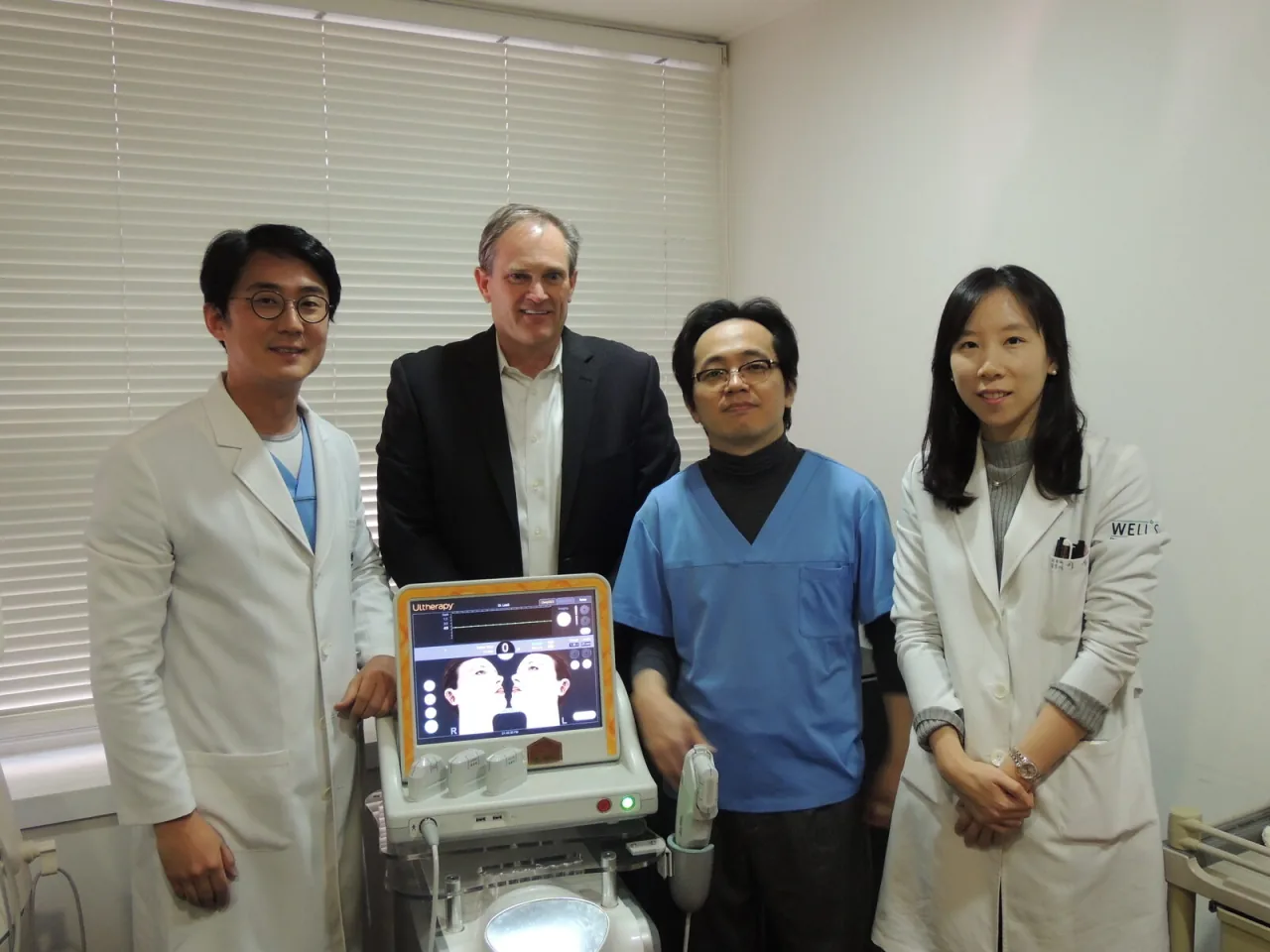
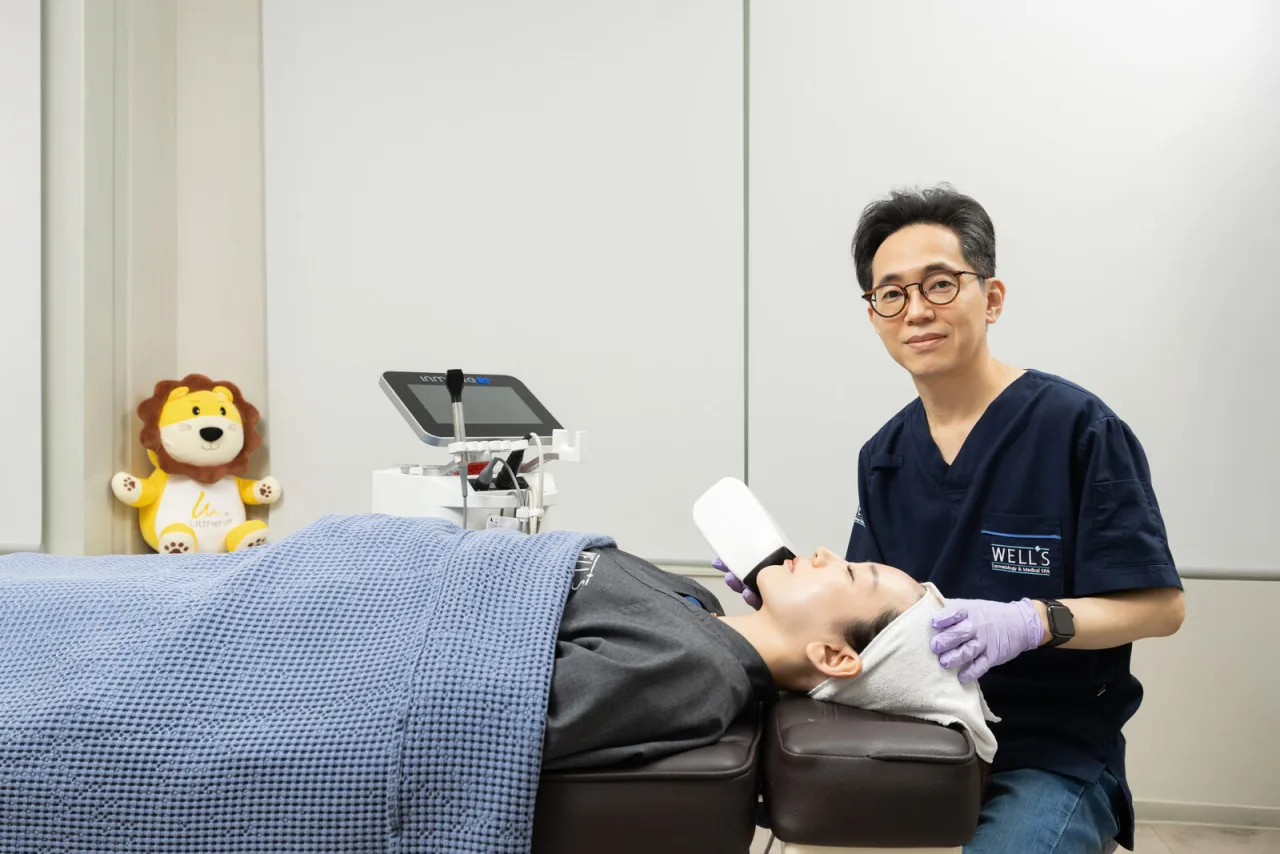
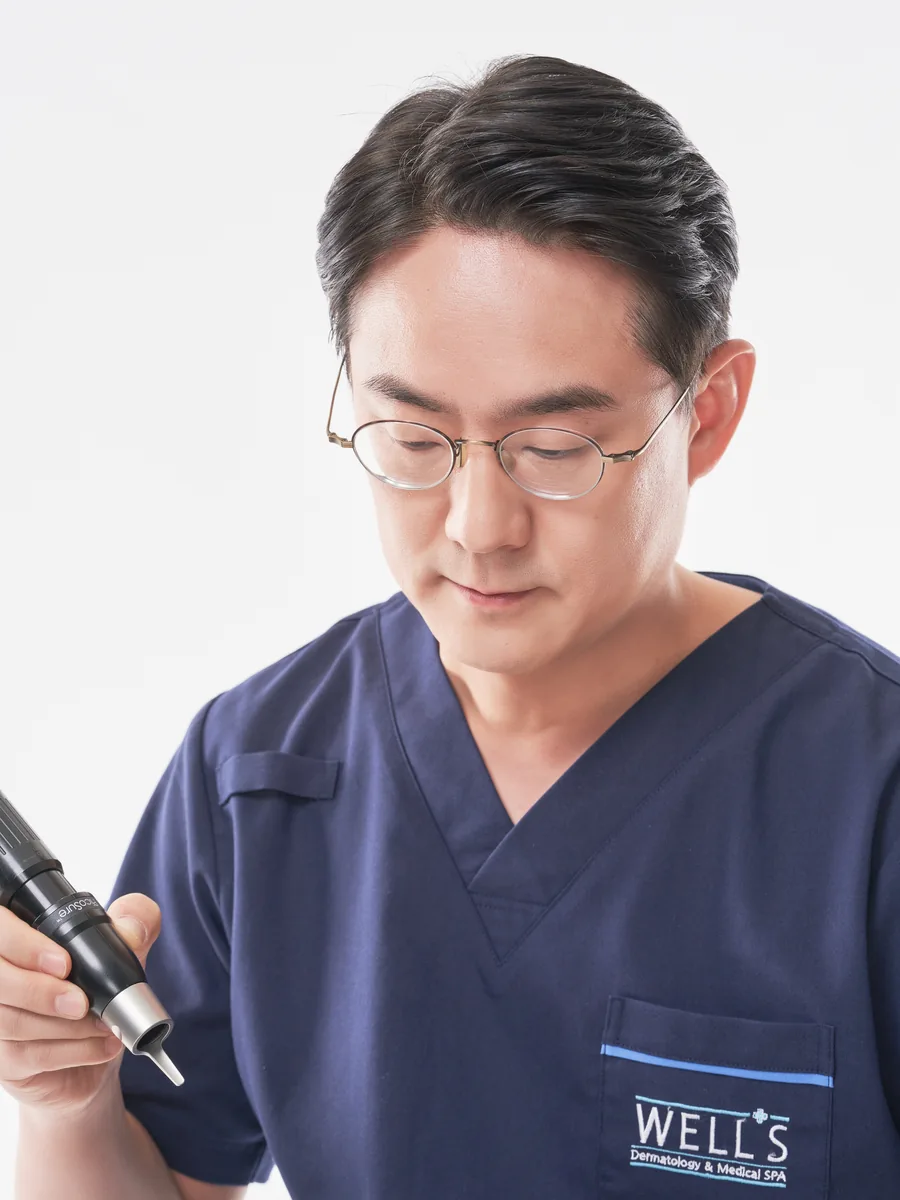
Hello, I'm Dr. Won Sin Lee, a board-certified dermatologist and chief director at WELLS Clinic in Apgujeong, Seoul. I completed my residency and board certification in dermatology at Asan Medical Center, where I am now an adjunct professor of dermatology. Many visitors ask me about Korean HIFU, and this article is based on my YouTube video from August 2025 above, a conversation with my colleague Dr. Hyo Seop Ryu.
No. Korean HIFU devices and Ultherapy both use focused ultrasound, but they differ in three ways that change results: how much energy the device delivers, whether the doctor can see the depth on screen, and how exactly that depth is fixed. At WELLS we use Ultherapy Prime, the newest Ultherapy system.
Korean-made HIFU devices are not bad machines. They are usually cheaper, and many people choose them on value. The question is what you get for the session.
What makes Ultherapy different from other HIFU devices?
First, output. As the original device, Ultherapy has a very strong output, so more energy is delivered. In our experience that is why it often works better than Korean-made HIFU.
Second, accuracy. The point of Ultherapy is to deliver energy precisely to the fat beneath the skin and to the SMAS and its supporting ligaments. The Ultherapy transducer has an ultrasound imaging probe built in, so when it touches the skin we can see on screen, shot by shot, whether the energy is forming at the depth we want.
Most other HIFU devices have no imaging in the tip, so they are used blind. Ultherapy is the device built for precise placement, and that is the main reason we chose it.
Why do Korean HIFU results vary so much?
Ultherapy transducers come in three physical depths: 4.5 mm, 3 mm and 1.5 mm. The energy lands almost exactly at that depth, and because we watch the image while treating, we can focus on the SMAS tissue and expect the effect we planned.
With a device that cannot show depth, the outcome depends partly on luck. If the depth happens to match your anatomy, you may see a clear result. If not, you may see little or nothing. That is how one friend can rave about a Korean HIFU session while another felt it did nothing.
At WELLS we also plan every session in 3D before the first shot; the layers are explained in ultherapy korea.
Ultherapy Prime FIT
- What it is
- Ultherapy Prime focused ultrasound that lifts from the SMAS layer, plus a second Fitting treatment for the layer between Ultherapy and Thermage depth, in the same visit.
- How it works
- Your face is analyzed with a 3D imaging system and a treatment map sets the energy and shot distribution for each area. The transducer shows the skin layers on screen, so each shot can be checked as it is placed.
- Sessions
- One session. FIT 400 is 300 Ultherapy shots plus Fitting 100 kJ; FIT 500 is 400 shots plus Fitting 100 kJ.
- Recovery
- No deep sedation and no fasting. Air NOX with local anesthetic keeps you awake.
- Price
- FIT 400 ₩1,925,000 · FIT 500 ₩2,409,000 (VAT excluded)
Why patients fly in for it
- A Merz Ultherapy Golden Record Award clinic; every session uses the Ultherapy Prime system.
- Genuine tips only, with a 10× refund if a tip is ever found not to be genuine.
- You stay awake and can see the tip and shot count yourself.
Had HIFU before and not sure it worked? Send a front and side photo and your dates on WhatsApp for an Ultherapy plan.
Message on WhatsAppDoes Ultherapy hurt more than other HIFU, and why?
Usually, yes. The ultrasound reaches deep, near and below the SMAS, where many nerves run, and Ultherapy generates more heat energy than Thermage. That is why we numb Ultherapy Prime properly, with local anesthetic injections that block the nerves, rather than relying on cream.
Patients who had other HIFU devices with numbing cream alone often told us it didn't hurt much. Ultherapy is hard to do with numbing cream alone. That difference in pain reflects the difference in energy intensity and how precisely it reaches depth.
We do not use deep sedation. Air NOX with local anesthetic keeps you awake, so you can see the genuine tip and the shot count yourself, and you can drive afterwards.
Is Korean HIFU worth it, or should you choose Ultherapy?
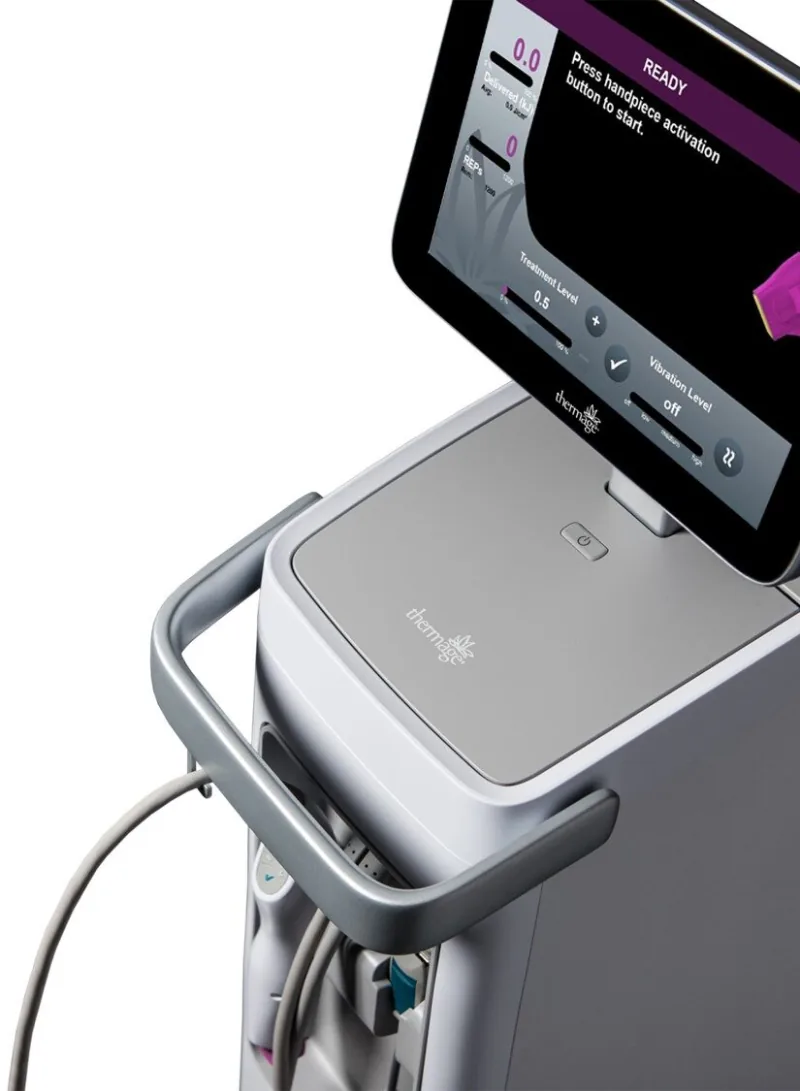
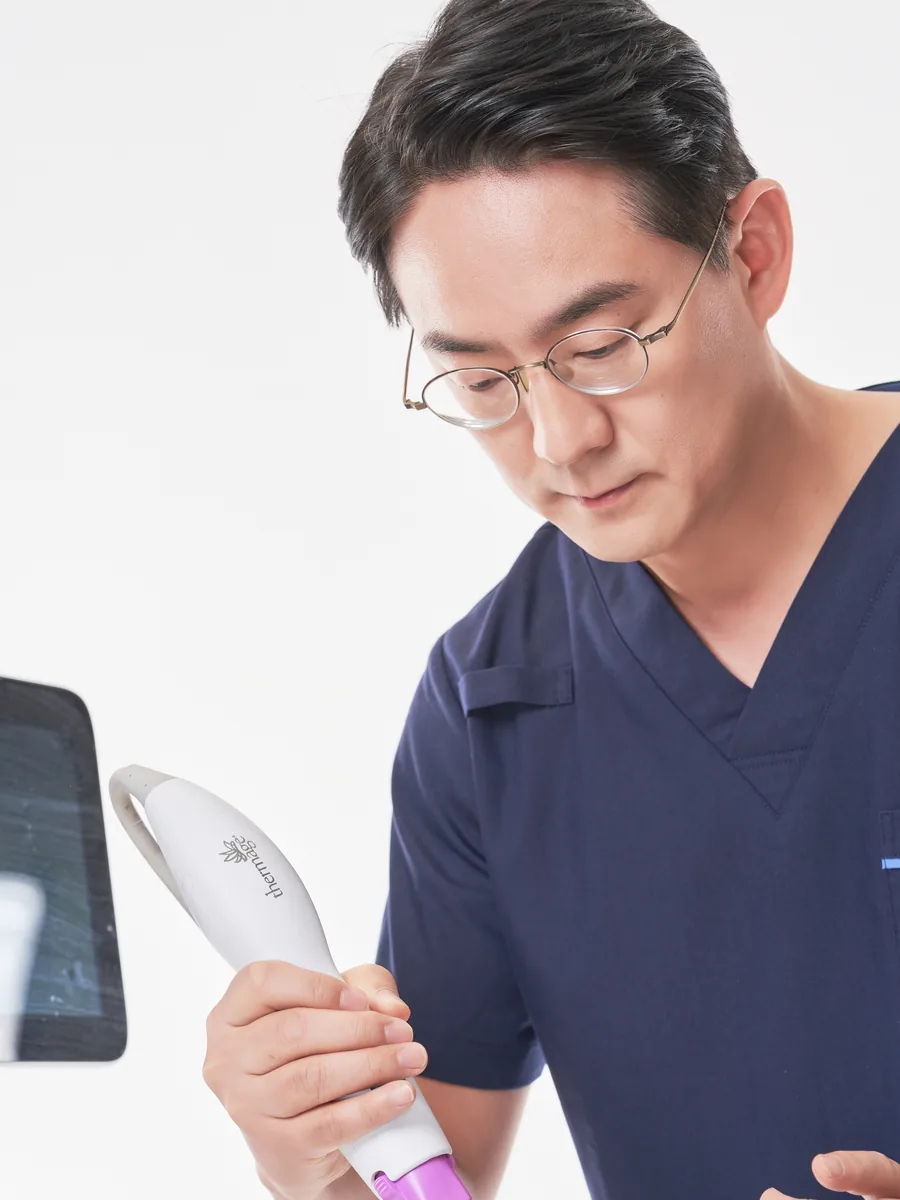
Value-priced devices have their place. But we see many people who chose them come back and redo the treatment with Ultherapy or Thermage. For your own face, I suggest not judging only on cost: do it properly once. The same applies to radiofrequency; if you want a proper result, I recommend Thermage FLX.
At WELLS, Ultherapy Prime FIT is FIT 400 ₩1,925,000 and FIT 500 ₩2,409,000 (VAT excluded). Most of our patients are satisfied with 300–400 shots, and only about 2% need 600 or more. If you are deciding between ultrasound and radiofrequency, see thermage vs ultherapy.
Send a front and side photo with your travel dates on WhatsApp. We reply in English, and the dermatologist confirms shots and price at the clinic, five minutes from Apgujeong Station Exit 3. Results vary from person to person.
Want Dr. Choi to look at your skin?
Send a photo and your travel dates on WhatsApp. We reply in English.
Message on WhatsAppQuestions about this video
What is the main difference between Korean HIFU and Ultherapy?
Ultherapy has a stronger output and an imaging probe in the transducer, so the doctor sees on screen whether energy lands at the intended depth on every shot. Many other HIFU devices are used without imaging.
What depths does Ultherapy treat?
Ultherapy transducers come in 4.5 mm, 3 mm and 1.5 mm depths, so energy can be placed at the SMAS, the fat beneath it or closer to the dermis.
Why does Ultherapy hurt more?
It delivers more energy deep near the SMAS, where nerves run. WELLS uses local anesthetic nerve blocks with Air NOX rather than numbing cream alone, and no deep sedation.
How much is Ultherapy at WELLS?
Ultherapy Prime FIT 400 is ₩1,925,000 and FIT 500 is ₩2,409,000 (VAT excluded). The dermatologist recommends one at consultation.
This article explains general medical information from the video. It is not a diagnosis; results vary by person and are decided in consultation.