Korean Dermatologist Skin Care: My Two-Item Routine, Explained
Dr. Lee's own routine is two products long. Why a barrier moisturizer, how he washes and dries, where pores need a clinic, and the habits he keeps.

What does Korean dermatologist skin care really look like at home?
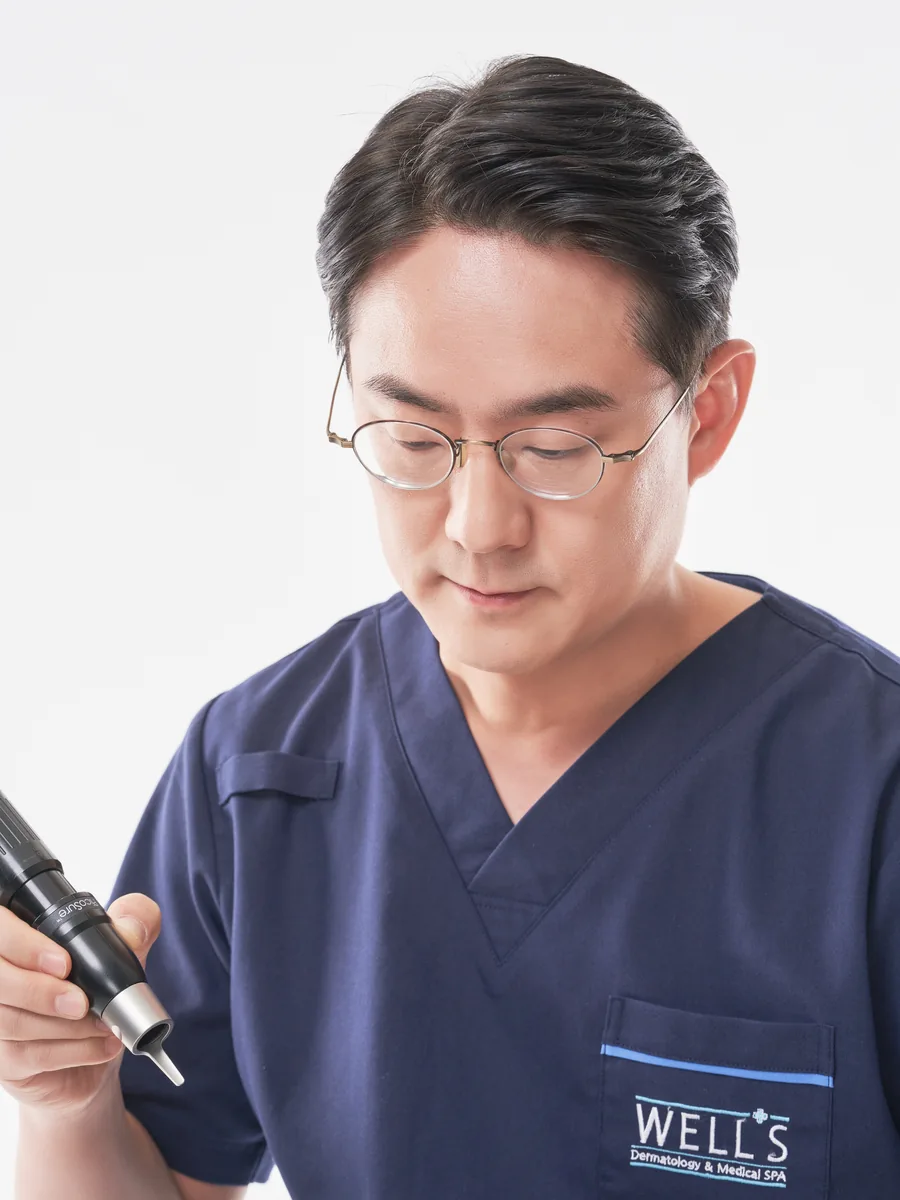
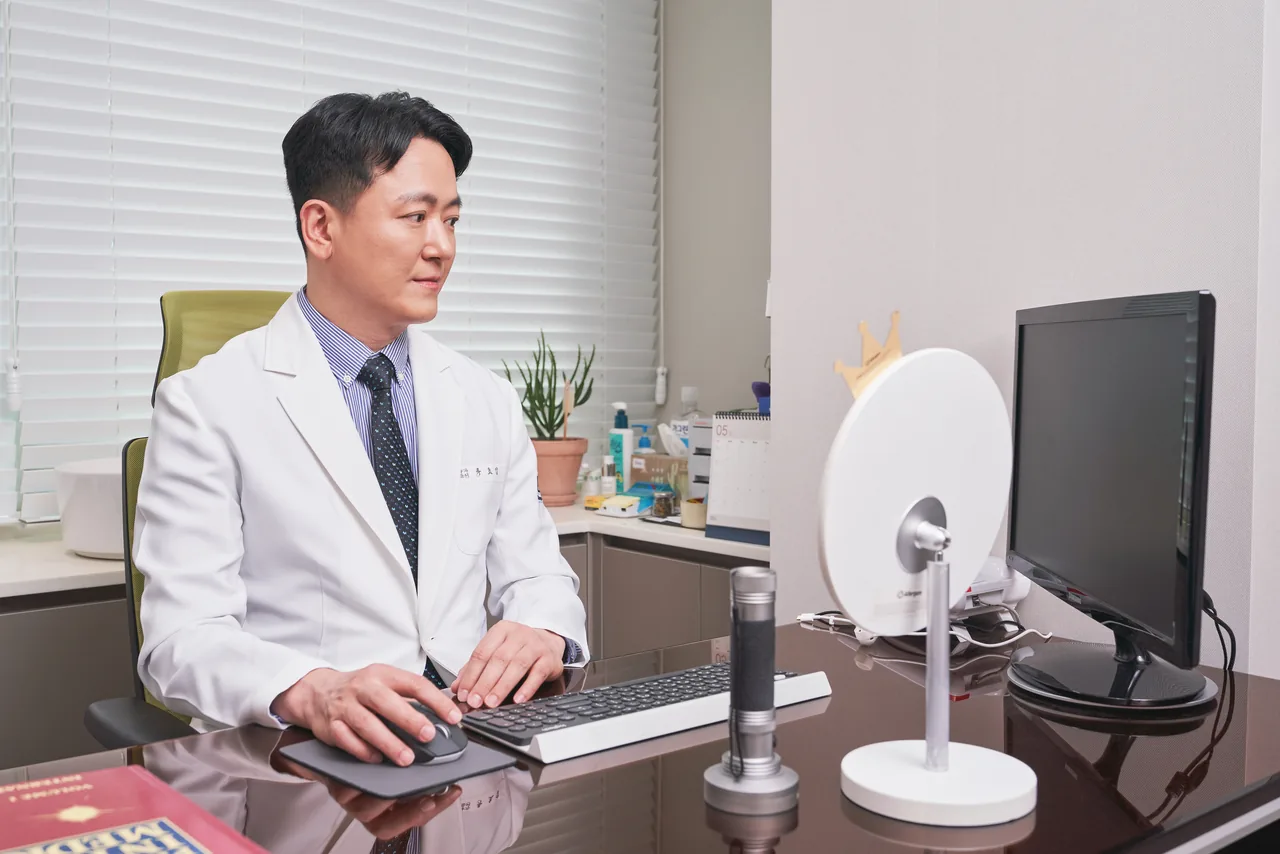
Hello, I'm Dr. Won Sin Lee, a board-certified dermatologist trained at Asan Medical Center in Seoul and a Chief Director of WELLS Clinic in Apgujeong. In my YouTube video from May 2026 above, my team asked about my own korean dermatologist skin care routine, and this article is based on that conversation; translated captions are available on YouTube.
The honest answer surprises people: my korean dermatologist skin care routine is two items, a gentle soap and one barrier moisturizer. No toner, no serum layers. I have kept it that way for more than ten years.
That does not mean products don't matter. It means the job at home is simple: clean without stripping, then protect the skin's barrier. Anything beyond that, like enlarged pores or loss of firmness, is usually where a clinic does more than a jar can.
Why one barrier moisturizer instead of many products?
The moisturizer I use is a gel made to resemble the composition of the protective film on the skin's surface. Its job is to lay an artificial shield over the skin, and for that purpose I think this type of product is the best fit. I started using it years ago and never felt the need to add layers.
When you choose one, look for the type rather than a brand: a product formulated to mimic the skin's surface lipids, which coats the skin and slows water loss. Hyaluronic acid products also help with hydration.
After washing, I apply it straight away and nothing else. If your skin is very dry or recovering from a treatment, your dermatologist may suggest something heavier for a while.
How should you wash and dry your face?
In the morning I wash with water only, in the shower. In the evening I use soap: an ordinary bar with some moisturizing function, nothing special. The point is a mild cleanse, not a squeaky one.
Then dry with a towel rather than letting your face air-dry. As water evaporates from the skin it takes moisture with it, so pat lightly with a towel and apply your moisturizer quickly.
Sunscreen is my honest confession. I rarely apply it on workdays, because I go from an underground car park to the clinic and barely see daylight. On days off, when I'm outdoors, I do apply it, and I tell every patient to use it properly. Please follow what I tell patients, not what I do on clinic days.
Genius RF Microneedling
- What it is
- Microneedle radiofrequency that delivers energy at the depth where collagen is made. Used for elasticity, enlarged pores (including the nose) and the jawline.
- How it works
- Fine needles open only pinpoint holes at the surface, and the energy is released at the needle tip, around the sebaceous glands, so the tissue around the pore is tightened while surface damage is kept small.
- Sessions
- Dr. Lee finds one or two sessions already noticeable; for a longer-lasting result, four or five sessions at least a month apart.
- Recovery
- You can generally wash your face gently and resume routine activities the same day; skip scrubs for 2–3 weeks.
- Price
- Confirmed at consultation (₩, VAT excluded)
Why patients fly in for it
- A board-certified dermatologist examines your pores and skin before choosing a device.
- WELLS' anesthesia protocol controls about 80% of the usual Genius discomfort.
- Air NOX non-sedation is available, so you stay awake and go home right after.
Not sure whether your pores need a clinic or just better home care? Send a close-up photo and your travel dates on WhatsApp.
Message on WhatsAppIs good skin mostly genetic, and can pores really shrink?
I rarely had acne, and my skin is in the middle, neither very oily nor dry. I'd say skin is about 80% what you are born with, and the remaining 20% is what good care can change. That 20% is still worth it.
Pore size is partly inherited too. People with very active oil glands tend to have larger pores, and as skin loses elasticity with age, pores slowly widen in everyone.
Treating pores means reducing pores that have widened, not removing them. Pores are not fixed like a scar; even after we tighten them, oil production and other reactions can widen them again, which is why pore treatment is hard. If you want the full picture of options, see our guide to Korean pore treatment.
When does korean dermatologist skin care move from home to clinic?
For pores, the most effective treatment I have tried is Genius RF microneedling, the strongest of the RF microneedle devices I know. To treat a pore you need to tighten the tissue a little below the surface, where the oil glands sit.
A laser builds its effect from the surface downward. An RF microneedle leaves only a pinpoint hole at the surface and releases strong energy at the needle tip, at the depth we choose. That puts energy where we want it more safely, with less surface damage.
- One or two sessions are often enough to feel a difference in the skin.
- For a longer-lasting result, four or five sessions spaced at least a month apart.
- In people without much oil, the improvement can last more than a year.
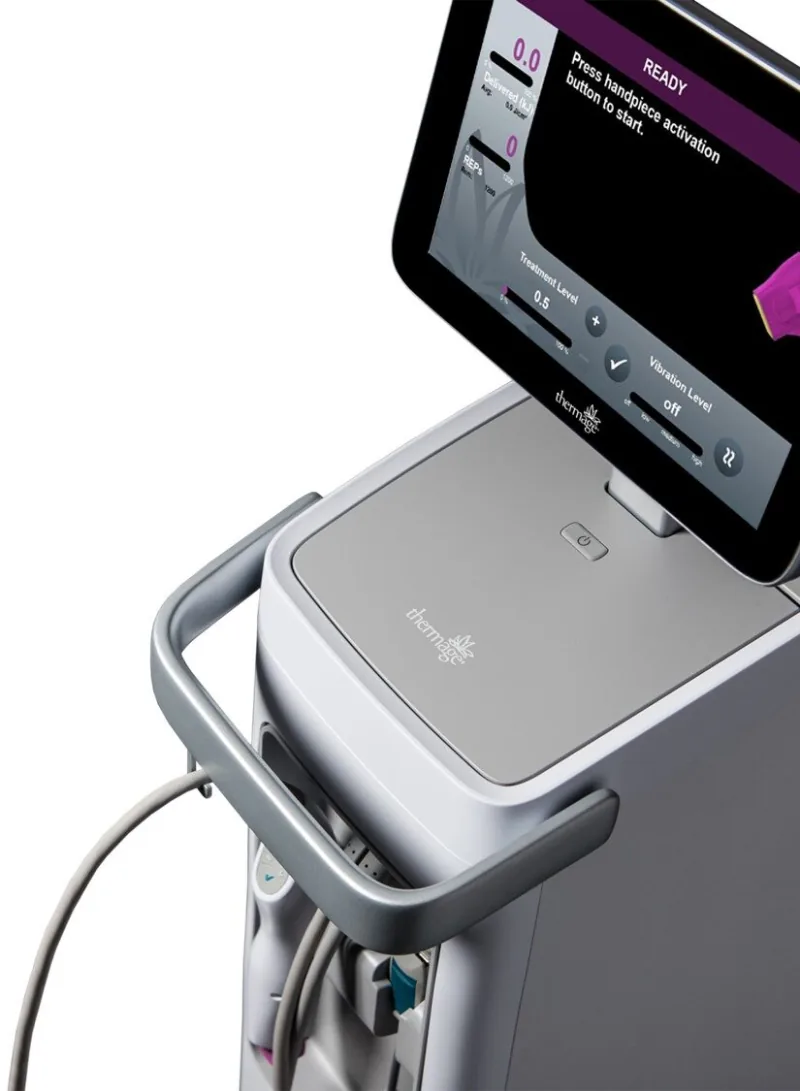
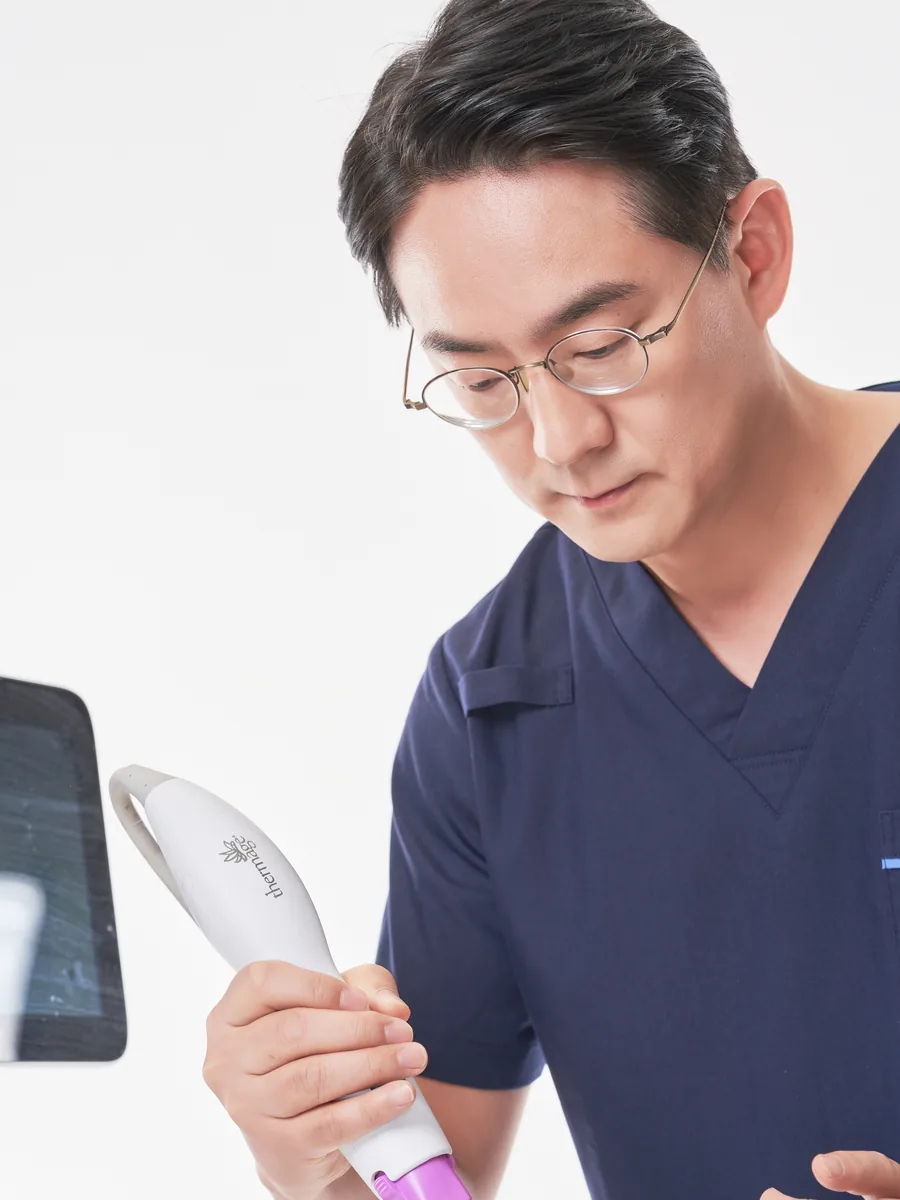
Before a big day, timing decides the choice. If there is time, a slower treatment can improve the skin more fundamentally. If you need a quick change, something like Onda MAX gives a fast tightening. I also see more men asking for Thermage and Ultherapy as people stay active at work for longer.
Which daily habits does a dermatologist keep?
Three things outside the bathroom. I take enough vitamins, especially vitamin C. I exercise, though not under strong sun: I usually do interval running by the Han River in the evening, because working muscles release substances that are good for the skin too.
Most important is sleep. I sleep six to seven hours, but depth matters as much as hours, and exercise helps me sleep deeply. I have also cut carbohydrates to less than half of what I used to eat, with more protein and good fats from eggs, meat and cheese.
If you are visiting Seoul and want a dermatologist to look at your skin and pores, send a photo and your dates on WhatsApp. We reply in English, and a dermatologist confirms the plan at consultation. For a measured look at your skin, see skin analysis in Seoul. Results vary from person to person.
Want Dr. Choi to look at your skin?
Send a photo and your travel dates on WhatsApp. We reply in English.
Message on WhatsAppQuestions about this video
What is in a korean dermatologist skin care routine?
Dr. Lee uses two items: an ordinary moisturizing soap in the evening (water only in the morning) and a barrier-type gel moisturizer right after washing. He adds sunscreen whenever he is outdoors and tells patients to use it properly every day.
Should I air-dry my face after washing?
Dr. Lee prefers patting dry with a towel and applying moisturizer quickly, because water evaporating from the skin leaves it drier.
Can enlarged pores be removed?
No treatment removes pores. Treatment reduces pores that have widened, and they can widen again with oil production, so maintenance matters.
How many Genius RF sessions are needed for pores?
One or two sessions are often noticeable. For a longer-lasting result Dr. Lee suggests four or five sessions at least a month apart; the dermatologist confirms the plan and price at consultation.
This article explains general medical information from the video. It is not a diagnosis; results vary by person and are decided in consultation.