Six forum claims about facial procedures in korea, and what holds up in each
Facial procedures in korea suit problems that need a dermatologist's diagnosis and devices, such as redness, pigment or scars. Most are courses of sessions with real, usually temporary side effects, so plan them around your flight.

The myth that every Seoul skin clinic is alike
“Are facial procedures in korea worth the flight?” sits under most Reddit threads on the topic, and the answer is yes for skin problems that need a dermatologist's diagnosis and devices, and rarely for anything a good facial at home already does. What those threads skip is what you do if your skin reacts after you're home, or if the treatment you flew for turns out to be the wrong one for your skin. That second risk weighs more when a clinic at home has already called your melasma, scarring or redness “difficult”.
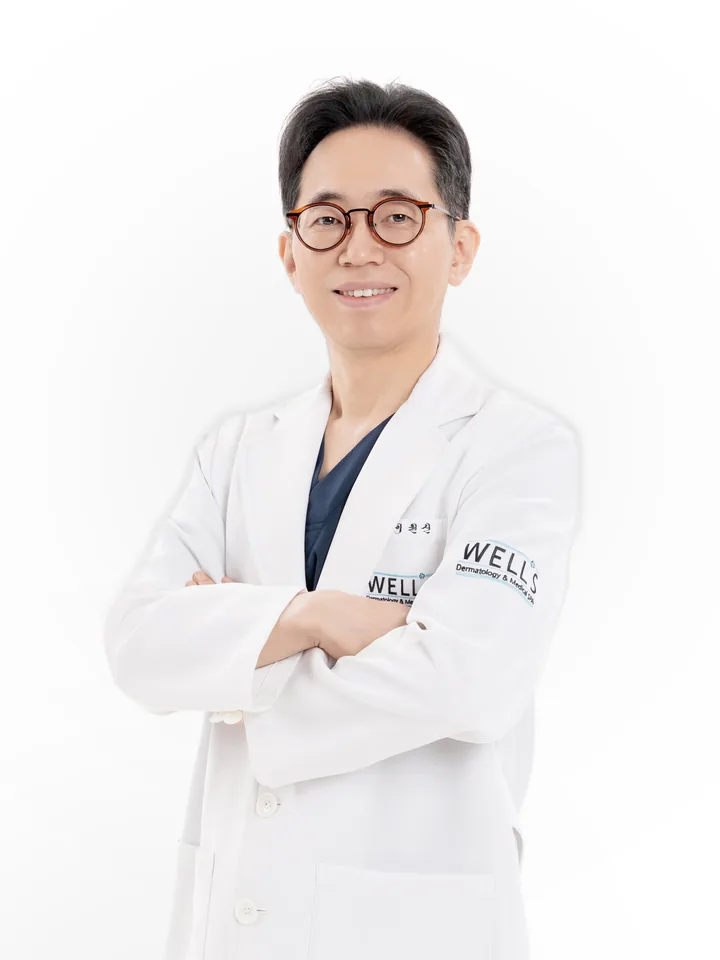
At WELLS Clinic in Apgujeong, the consultation and the treatment are both done by a board-certified dermatologist, and the clinic avoids unnecessary sleep anesthesia, using Air NOX, a sedation you stay awake through. Below are six claims that turn up again and again in forum threads, each with what holds up and what doesn't.
If a clinic at home called your skin difficult, send that clinic's diagnosis or a daylight photo of the area on WhatsApp, together with the one question you never got a straight answer to.
Send a clear photo and your travel dates, and we will tell you what fits the time you have in Seoul.
Ask your one question on WhatsAppThe threads often mix three kinds of places: dermatology clinics run by board-certified dermatologists, general cosmetic clinics, and skin-care shops offering spa-style facials. They differ in who examines you and who holds the device, which matters more than any device name.
At WELLS, a dermatologist handles consultation, diagnosis and treatment. The questions worth asking before you book are similar whatever the treatment; this guide to choosing a clinic for excessive-sweating treatment walks through them in a different context, and they transfer well to facial work.
Facial contouring surgery sits in yet another category: it's a bone operation done by plastic surgeons. WELLS is a dermatology clinic and doesn't offer it, so nothing below applies to contouring surgery.
Will one session in Seoul fix it?
Rarely. Most facial procedures in korea are designed as courses, and one trip usually delivers the first session plus a plan. Filler is the main exception with an immediate effect, and even filler is planned around how your face changes over the following months.
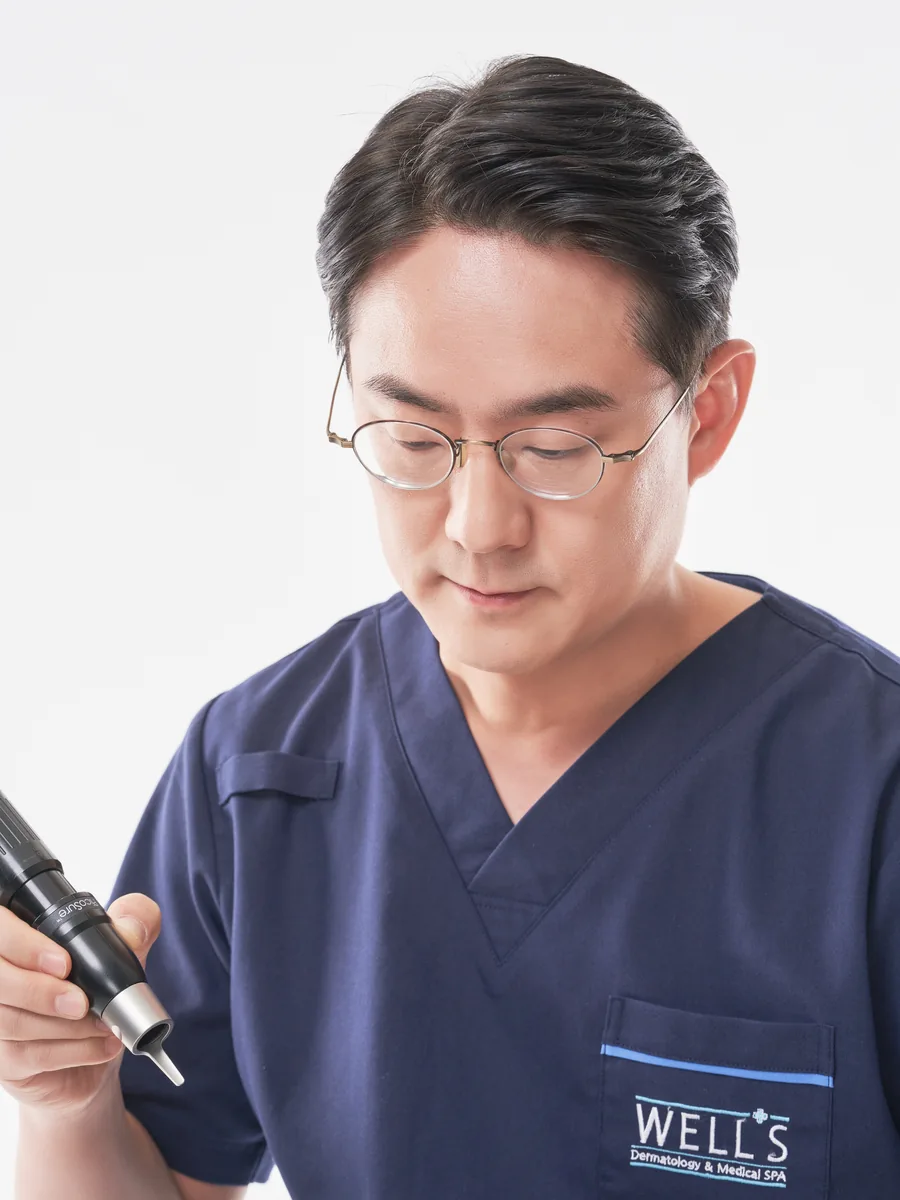
Two examples from WELLS's own treatment pages. Rejuran HB+, a polynucleotide skin booster, is recommended as four sessions two to three weeks apart. PicoSure Pro, a 755 nm picosecond laser used for melasma, pigment, tattoos, pores and fine lines, delivers more energy than the original PicoSure so that courses need fewer, faster sessions. Fewer still isn't one.
Stubborn melasma is where this claim deserves the most respect. The American Academy of Dermatology treats sun protection as part of any melasma plan and notes that melasma can return (AAD). A trip can start a melasma plan; the daily sunscreen afterwards is what keeps it going.
Do you have to be sedated for facial treatments?
For most skin treatments, no. Numbing cream covers many lasers, and some injectables carry their own anesthetic; deep sleep sedation is a separate decision with its own risks.
WELLS doesn't use unnecessary sleep anesthesia. Where extra comfort is needed, the clinic uses Air NOX, a sedation system you stay awake through. Being awake has a practical side as well: you can tell the dermatologist when a pass feels too hot or too sore, and you can see the device and product being used.
Swapped or diluted products: what you can check
The worry is fair, because you can't read a Korean label from the chair. What you can do is ask to see the product or the tip before treatment and ask what amount is planned for each area.
WELLS states its position on each point. For fillers, the product and amount are confirmed before treatment. For Thermage and Ultherapy, only genuine tips are used, and if a tip were ever found not to be genuine, the clinic compensates ten times.
None of this replaces your own question in the room. Ask it plainly; a clinic that uses genuine products has no reason to mind.
Is filler a quick injection with no real risk?
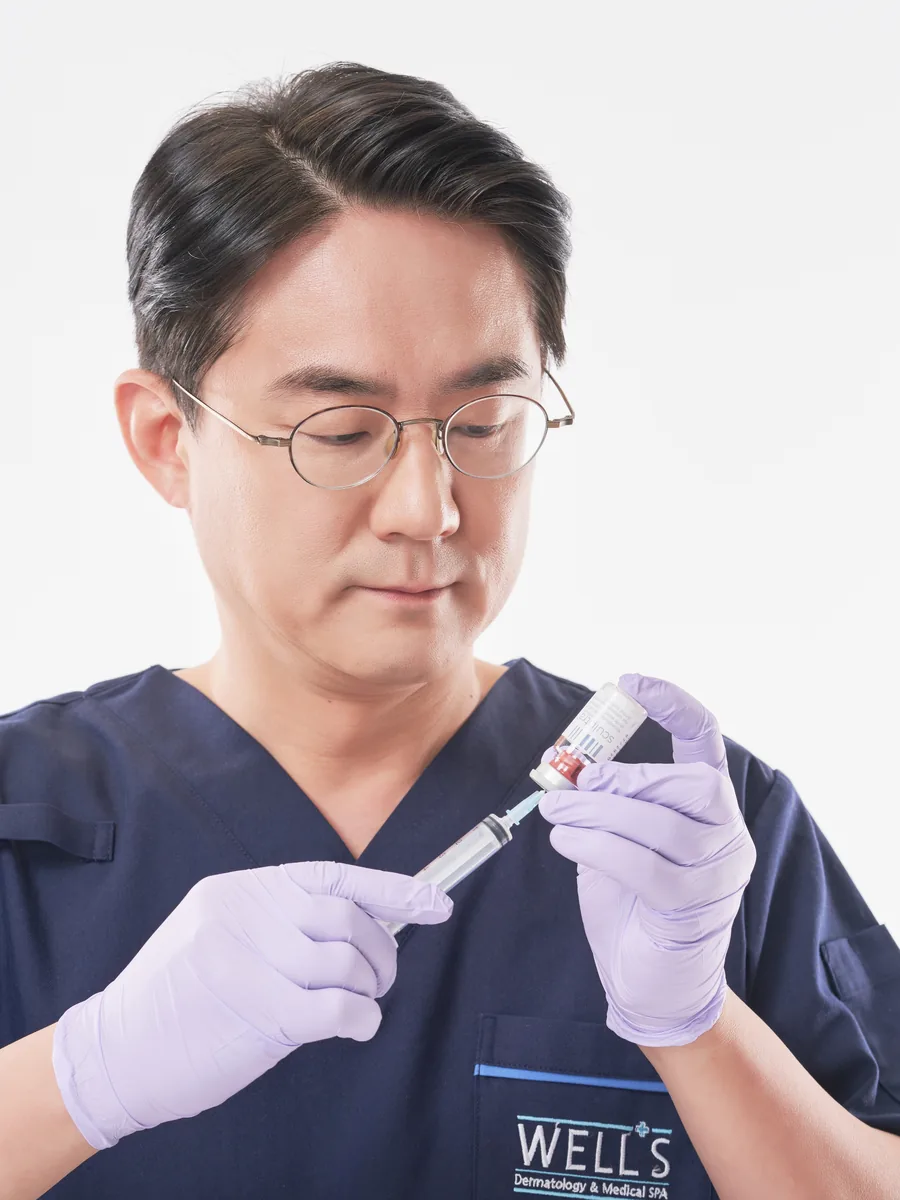
No. Filler is quick to give and usually has a short recovery, but the FDA lists real risks, from bruising, swelling and lumps to rare injection into a blood vessel, which can damage skin or affect vision (FDA).
The AAD makes a similar point and recommends having fillers placed by a board-certified dermatologist (AAD). Technique is one way the vessel risk is lowered: at WELLS, dermatologists inject with a cannula where possible, because a blunt cannula carries less vessel-damage risk than a standard sharp needle. Volume that builds slowly is a different product class, and the guide to PLLA filler and Sculptra sessions in Seoul covers how those sessions are spread out.
Across other facial treatments, the common effects are laser redness, temporary swelling and, in darker skin, pigment that darkens after inflammation. People who usually wait: anyone pregnant, anyone with an active infection on the face, and anyone whose redness or pigment hasn't been diagnosed. Suitability is decided at the in-person exam, and skin responds differently from one person to the next.
If your question is about risk in your own case, write it in one line and send it on WhatsApp, with a photo of the area or the name of any filler or neuromodulator you've had before. You'll get an English reply, and you'll know what to bring to a consultation in Seoul.
Send a clear photo and your travel dates, and we will tell you what fits the time you have in Seoul.
Ask your one question on WhatsAppCan you fly home the day after?
After most non-surgical skin treatments, flying the next day is usually possible; what changes is how your face looks on the plane.
Plan around the visible part. Injection swelling and laser redness follow their own timelines, and redness after vascular lasers is covered in this explainer on Korean rosacea treatment. Microneedle RF has its own recovery to plan for, set out in the post on microneedle RF options and planning your visit. Tell the dermatologist your departure time at the consultation, so the treatment order fits it.
What forum threads can't tell you about your own skin
Your diagnosis. A thread can tell you what one person's skin did; it can't tell you whether your brown patches are melasma or sun spots, or whether your redness is rosacea, and those answers change the device.
That's why WELLS runs a 3D skin analysis before treatment, and why the same symptom can lead two people to different plans. Forum posts are also written in the first week, when the result looks one way, and rarely updated at month three, when it often looks another.
The CDC adds one practical step forums almost never mention: get copies of all your medical records before you return home, and know that follow-up care for complications abroad may not be covered by your insurance. A short record of what was done, with which product, keeps any later visit to a dermatologist at home simple.
Before you book anything, send a photo of the area and the dates you could travel on WhatsApp, along with the one question the threads couldn't answer for you. The reply comes in English, and you can judge from there whether facial procedures in korea fit your skin and your calendar.
Plan your visit before you fly
Send a daylight photo, your travel dates and what you have tried before. A dermatologist will suggest where to start and what fits your stay.
Ask your one question on WhatsAppReplies on WhatsApp · prices in KRW, excluding 10% VATBefore you message us
Is a Korean spa facial the same as a treatment at a dermatology clinic?
No. A spa facial works on the surface: cleansing, massage and hydration. A dermatology clinic diagnoses the problem first and then uses medical devices or injections, such as vascular lasers for redness or picosecond lasers for pigment. Ask who examines you and who performs the treatment.
Can I combine several facial treatments in one trip?
Often, yes, and some combinations are designed together. The order still matters, because each treatment has its own visible healing time before your flight.
What does PicoSure Pro treat?
PicoSure Pro is a 755 nm picosecond laser used for melasma, pigment, tattoos, pores and fine lines. It acts selectively on melanin, and it is combined with 1064 nm and 532 nm wavelengths to reach pigments of different colours and depths. It is FDA and KFDA approved.
How do I check a Korean dermatologist's training?
Look for board certification in dermatology and where the doctor trained. The WELLS doctors page lists each dermatologist's training, for example residency and board certification at Seoul National University Hospital or Asan Medical Center.
What should I bring to a consultation in Seoul?
A list of medications and allergies, the names and dates of any previous fillers, threads, lasers or lifting treatments, and any diagnosis from a doctor at home. Your travel dates help the treatment order fit the flight.
Results and recovery vary by individual. Every treatment carries possible side effects, which are explained at the consultation. Prices are in Korean won, excluding 10% VAT, and confirmed at your consultation. This article is general information from the clinic, not a diagnosis.
Dr. Won Woo Choi
- Board-certified dermatologist in Korea; trained at Seoul National University Hospital
- Dermatology residency, Seoul National University Hospital; board certification in dermatology in Korea
- Ph.D. in Dermatology, Seoul National University
- Former clinical instructor, Seoul National University Hospital
- Adjunct professor, Department of Dermatology, Seoul National University Hospital