Korean dermatologist in Seoul: what the title means, and how to check
What a board-certified Korean dermatologist trains for, how to check the title before you fly, and how an English consultation at WELLS works.
What does "Korean dermatologist" actually mean?
If you are searching for a Korean dermatologist, you have probably noticed that almost every clinic in Gangnam shows skin treatments on its menu. The worry is fair: who is actually going to look at your skin, and are they trained for it?
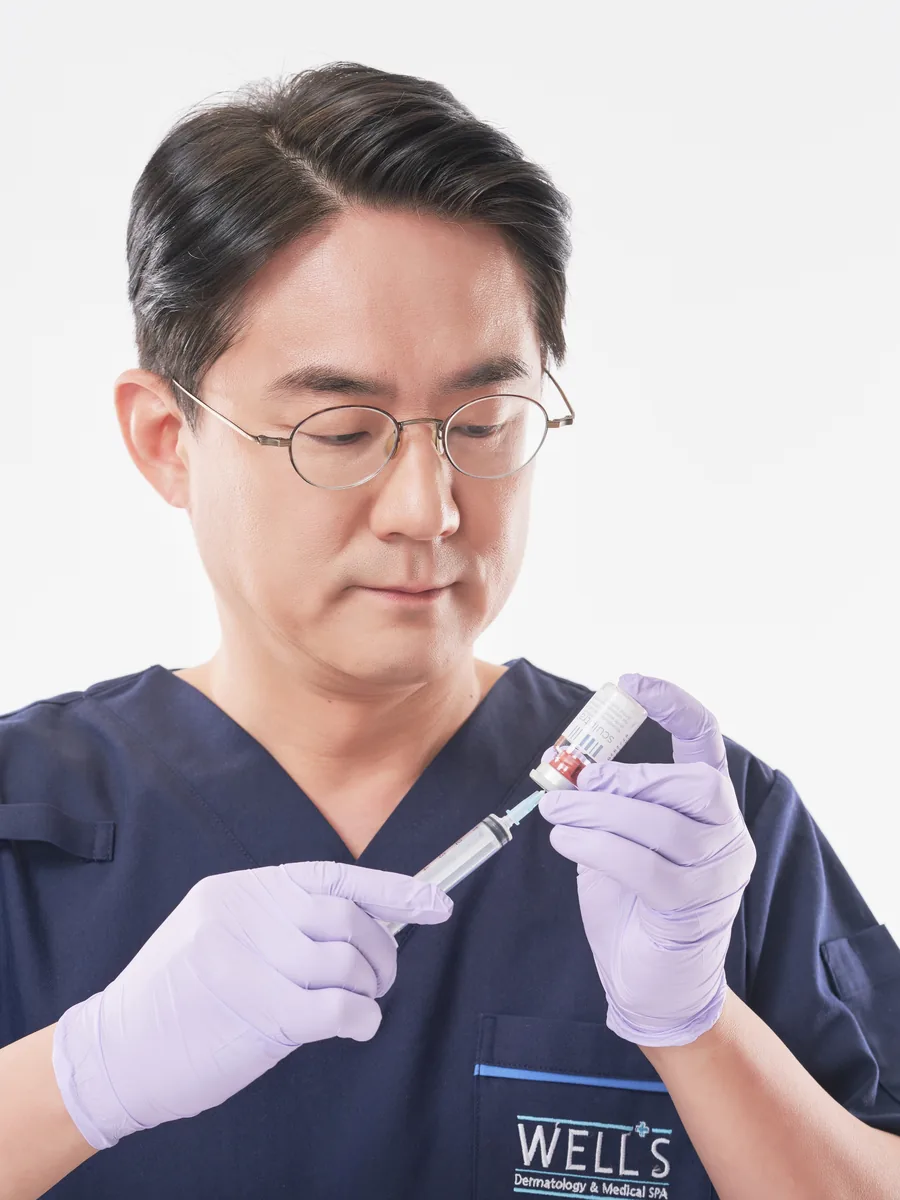
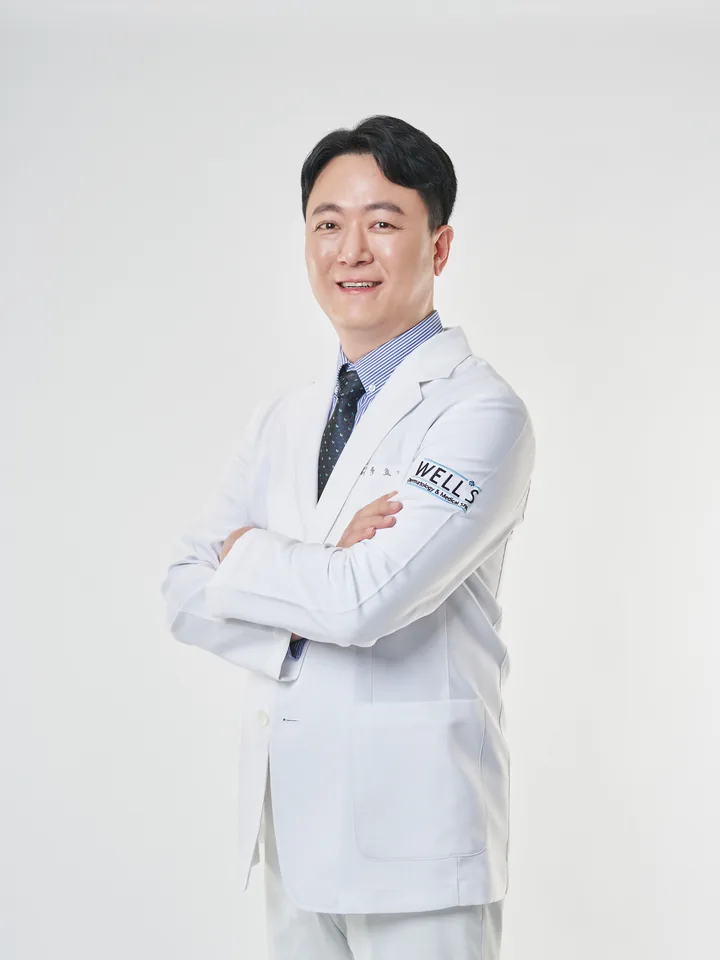
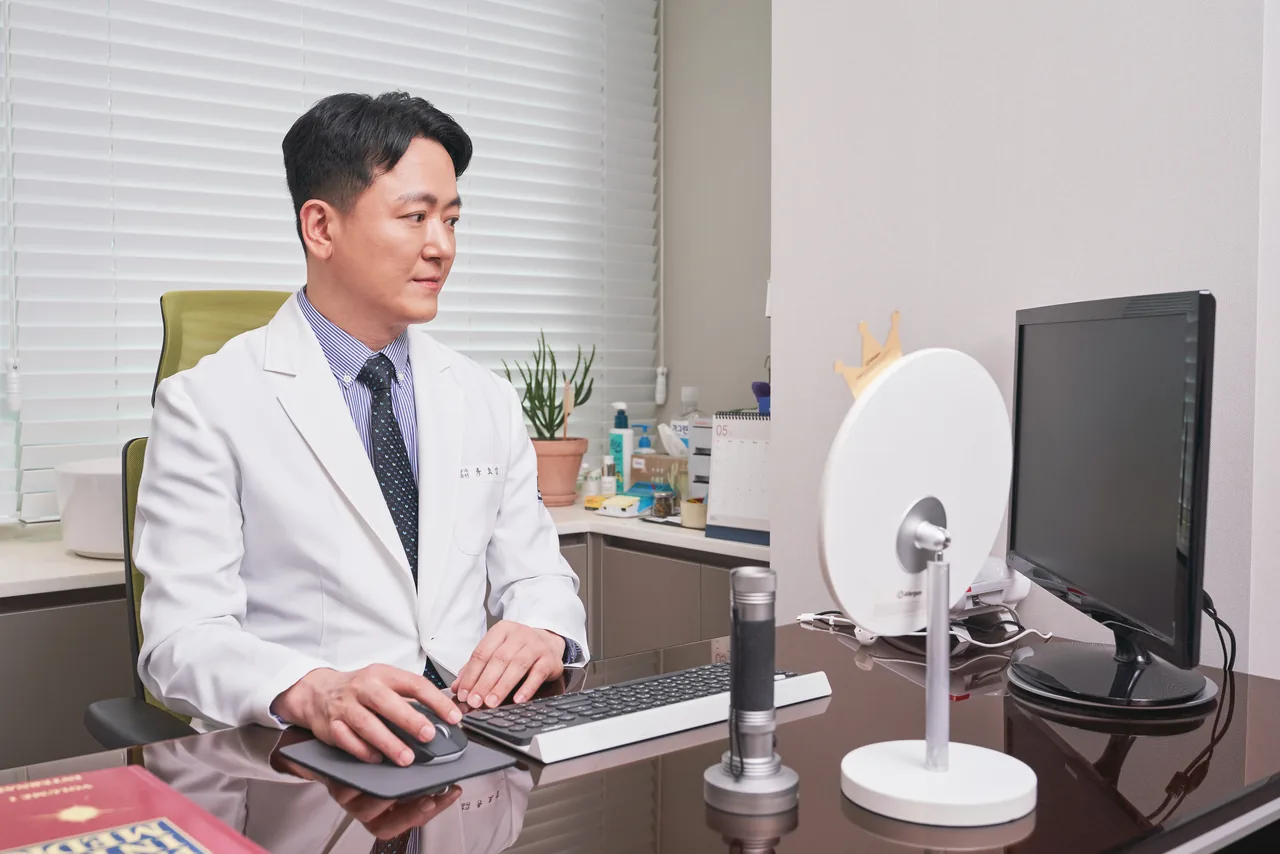
I'm Dr. Hyo Seop Ryu, one of the chief directors at WELLS in Apgujeong. I'd like to explain what the title means in Korea, how you can check it from abroad, and what a consultation with one of us looks like when you do not speak Korean.
The short version: in Korea, a doctor can offer skin procedures without being a specialist. Only about 2% of Korean doctors are board-certified dermatologists, so the word on a treatment menu and the qualification behind it are not the same thing.
How is a dermatologist in Korea trained?
A board-certified dermatologist in Korea graduates from medical school, gets a medical license, completes an internship, and then spends four years in a dermatology residency before sitting the specialist board. That residency is where the real difference is built.
During those years we study the skin as an organ, layer by layer: stratum corneum, epidermis, dermis, fat, fascia and the muscles that move the skin. The point is not just knowing that a laser lightened a spot, but why it did, which layer it reached, what side effects to expect, and how to fix a problem if one appears.
Residents also treat medical skin disease every day, from atopic dermatitis and psoriasis to acne, rosacea and allergic conditions. That matters for cosmetic work too, because redness, scaling or bumps can look identical on the surface and have completely different causes.
How can you check a Korean dermatologist before you book?
You can do most of the checking from home. Here is what I would look for, whichever clinic you are considering.
- The clinic's official name. In Korea, a clinic run by a board-certified dermatologist can carry "Dermatology" in its registered name. A sign that shows a brand name with "Departments: Dermatology" in small print may mean the doctor is not a dermatology specialist.
- The Korean Dermatological Association mark. It is issued only to dermatologist-run clinics and is usually shown on the website, inside the clinic or at the entrance.
- Named doctors with CVs. Look for where each doctor trained and where they did their residency, not only a list of devices.
- Who performs the treatment. Ask directly whether the dermatologist you consult with is the one who treats you.
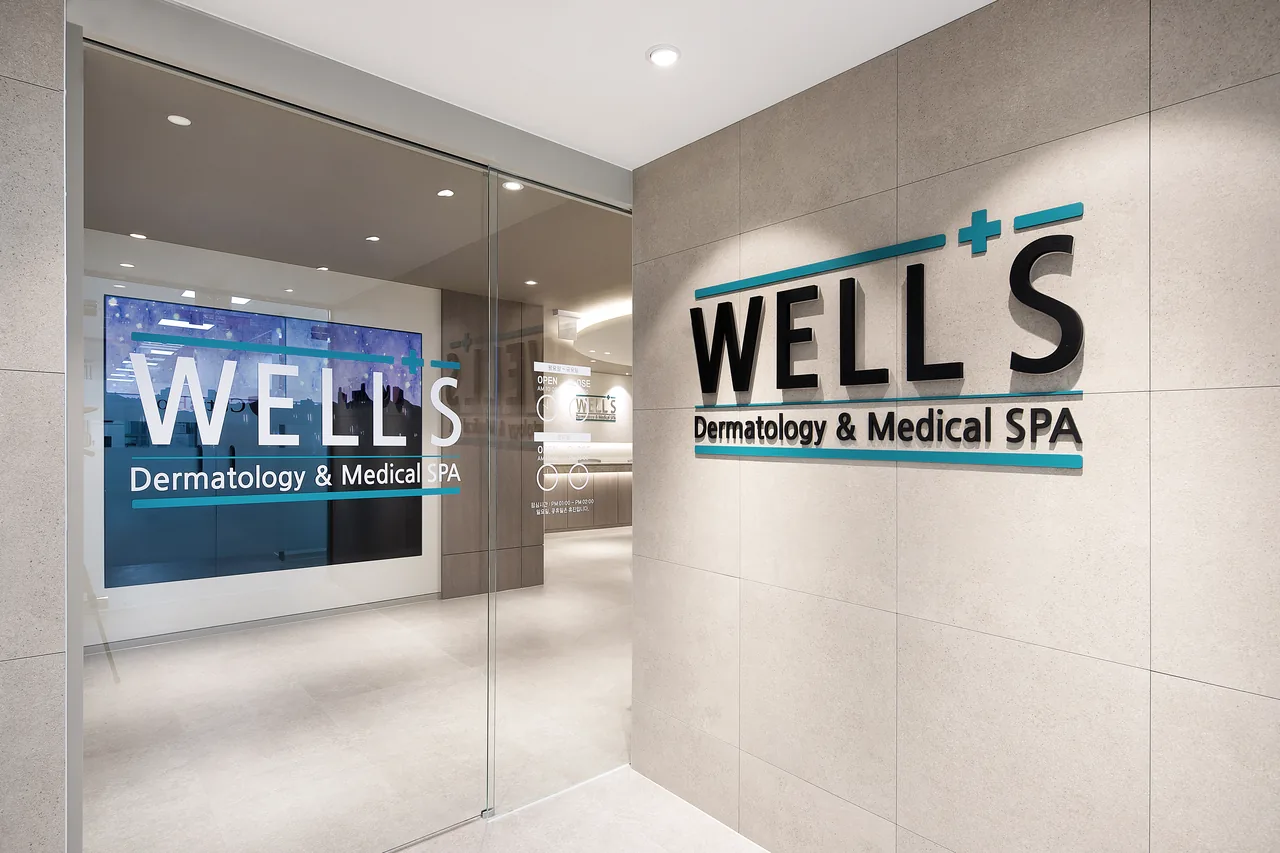
WELLS is certified by the Korean Dermatological Association, and the mark is at our entrance. Every skin condition we see is diagnosed and treated by a board-certified dermatologist. If you want a wider checklist for comparing clinics, I wrote about that in our guide to choosing a Seoul skin clinic.
Not sure whether your concern needs a dermatologist or a quick treatment? Send a photo and a line about what's bothering you, and one of us will reply in English.
Ask a dermatologist on WhatsAppWho are the dermatologists at WELLS?
WELLS opened in Apgujeong in 2008, founded by two of my colleagues. Today the team is four board-certified dermatologists, and each of us has a published CV you can read before you travel.
- Dr. Won Woo Choi trained and was board-certified at Seoul National University Hospital, holds a Ph.D. in Dermatology from Seoul National University, and is adjunct professor there.
- Dr. Won Sin Lee trained and was board-certified at Asan Medical Center in Seoul, where he is adjunct professor.
- Dr. Jung Won Choi graduated from Seoul National University College of Medicine and was board-certified at Seoul National University Hospital.
- My own background: M.D., Ph.D., board-certified dermatologist; clinical instructor and then assistant professor in dermatology at Seoul National University Bundang Hospital; director of a public health dermatology clinic on Jeju Island; and visiting professor at Dubai Maris Clinic, dispatched by International St. Mary's Hospital.
We work by co-consultation rather than each doctor working alone. When a case is difficult or several problems overlap, more than one of us reviews it and we agree on a direction together.
We also hold regular case reviews among ourselves to share what we are seeing. For you, that means a complicated case is thought through by more than one specialist, not improvised at the chair.
What happens in a consultation with a Korean dermatologist?
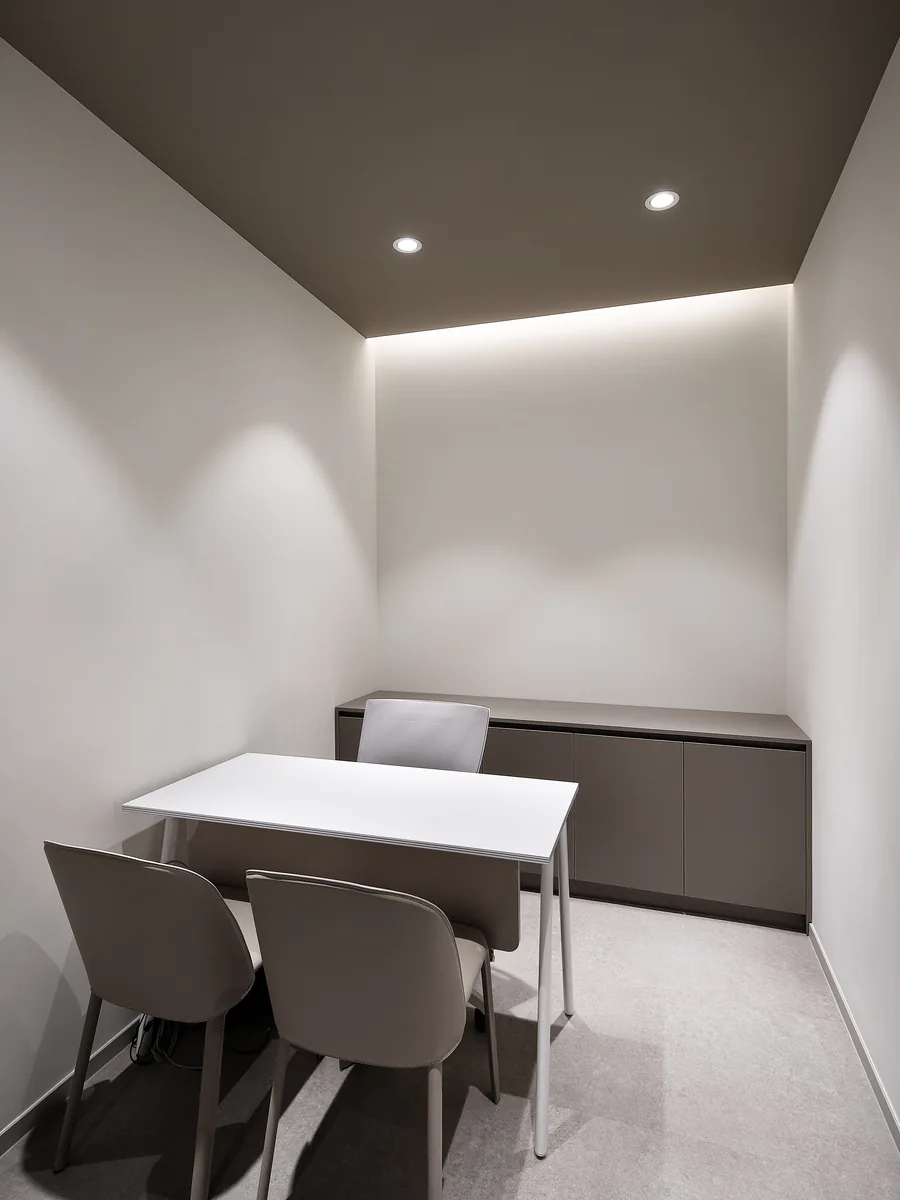
A good consultation is not a menu conversation. We ask about your daily routine, past treatments and the products you use, then examine the skin, using 3D analysis or a microbiome test where the treatment calls for it.
The dermatologist explains what we see, the likely cause, how each suggested treatment works, and roughly how long the process takes. The plan and the price are confirmed there, before anything starts.
Can a dermatologist help with Korean skin care?
Yes, and it is often the most useful part of the visit. Many people arrive with a long Korean skincare routine and a problem it has not solved. Seeing what you apply every day helps us tell whether the issue is irritation, a skin condition, or something only a procedure will change.
Will you just do the treatment I ask for?
Not necessarily. If a requested procedure does not suit your skin, we say so. An expensive or well-known device is not automatically the right answer; the right answer is the treatment your skin actually needs.
Is there an English speaking dermatologist Seoul visitors can see at WELLS?
Yes. Consultations at the clinic are available in English, and replies on WhatsApp and Instagram are in English, so you can plan the whole visit without a translator.
The usual route for a visit to a dermatologist in Korea looks like this:
- WhatsApp first. Send your concern, a photo if you like, and your travel dates. We reply in English with options and appointment times.
- Consultation at the clinic. A dermatologist examines your skin and confirms the plan and price.
- Treatment and aftercare. Treatment is done in the same clinic, you leave with the dermatologist's aftercare instructions, and you can message us afterwards.
Much of what international patients ask about is lifting and pigment, and a few protocols were developed here; you can see them on our Only at WELLS page. For medical problems such as rashes, moles or warts, start with our skin conditions page. Prices for those are confirmed at consultation.
Tell us your dates and what you would like looked at. We will suggest a consultation time that fits your trip.
Plan a consultation on WhatsAppPractical details for your visit to Apgujeong
We are on the 8th floor of the Apgujeong Building, 842 Nonhyeon-ro, Gangnam-gu. Take Subway Line 3 to Apgujeong Station, Exit 3, and walk about five minutes; NH Bank is on the ground floor.
Hours are Monday to Friday 10:00–20:00 and Saturday 10:00–17:00, with lunch from 13:00 to 14:00. We are closed on Sundays and Korean public holidays. Full directions and parking notes are on our clinic page, and common planning questions are answered in the international patient FAQ.
If a procedure is planned, tell us your flight dates on WhatsApp when you first write. The dermatologist will advise on timing for your skin, so nothing is squeezed into the day before you leave.
Talk to a dermatologist before you fly
Send a photo of your concern and your travel dates. We will reply in English with options and appointment times.
Message the clinic on WhatsAppReplies on WhatsApp · prices in KRW, excluding 10% VATBefore you message us
Is every doctor at WELLS a board-certified Korean dermatologist?
Yes. WELLS has four board-certified dermatologists, and a dermatologist handles your consultation, diagnosis and treatment.
How do I know a clinic is run by a dermatologist in Korea?
Check whether "Dermatology" is in the clinic's official name and look for the Korean Dermatological Association mark, which is issued only to dermatologist-run clinics.
Can I see a dermatologist for a skin disease, not just cosmetic treatment?
Yes. We diagnose and treat skin conditions such as rashes, moles, warts and excessive sweating. Prices for these are confirmed at consultation.
Do I need to speak Korean?
No. Consultations are available in English, and WhatsApp and Instagram replies are in English.
Are listed prices final?
Prices are listed in Korean won and exclude 10% VAT. The dermatologist confirms your plan and final price at consultation, before anything starts.
Results and recovery vary by individual. Every treatment carries possible side effects, which are explained at the consultation. Prices are in Korean won, excluding 10% VAT, and confirmed at your consultation. This article is general information from the clinic, not a diagnosis.
Dr. Hyo Seop Ryu
- Board-certified dermatologist, M.D., Ph.D.
- Clinical instructor, Department of Dermatology, Seoul National University Bundang Hospital
- Assistant professor, Seoul National University Bundang Hospital
- Visiting professor, Dubai Maris Clinic, through International St. Mary's Hospital
- Former chief director, Bundang Bon Dermatology Clinic