Korea Glass Skin Facial: Is It Safe Before a Flight Home? Price, Results, Reviews
In a Seoul dermatology clinic, a korea glass skin facial usually pairs a redness or toning laser with a skin booster. Booster swelling tends to settle within a week and laser redness within two weeks, so order them around your flight.

What a glass skin facial means in a dermatology clinic
Worried that a korea glass skin facial will leave you red or swollen on the flight home, with no one to ask once you land?
Read on before you book anything, because the order of treatments matters more than the number of nights.
After reading you will know what decides the price, what results to expect, and what review threads claim compared with what is medically true. That should help you decide how many days to plan in Seoul.
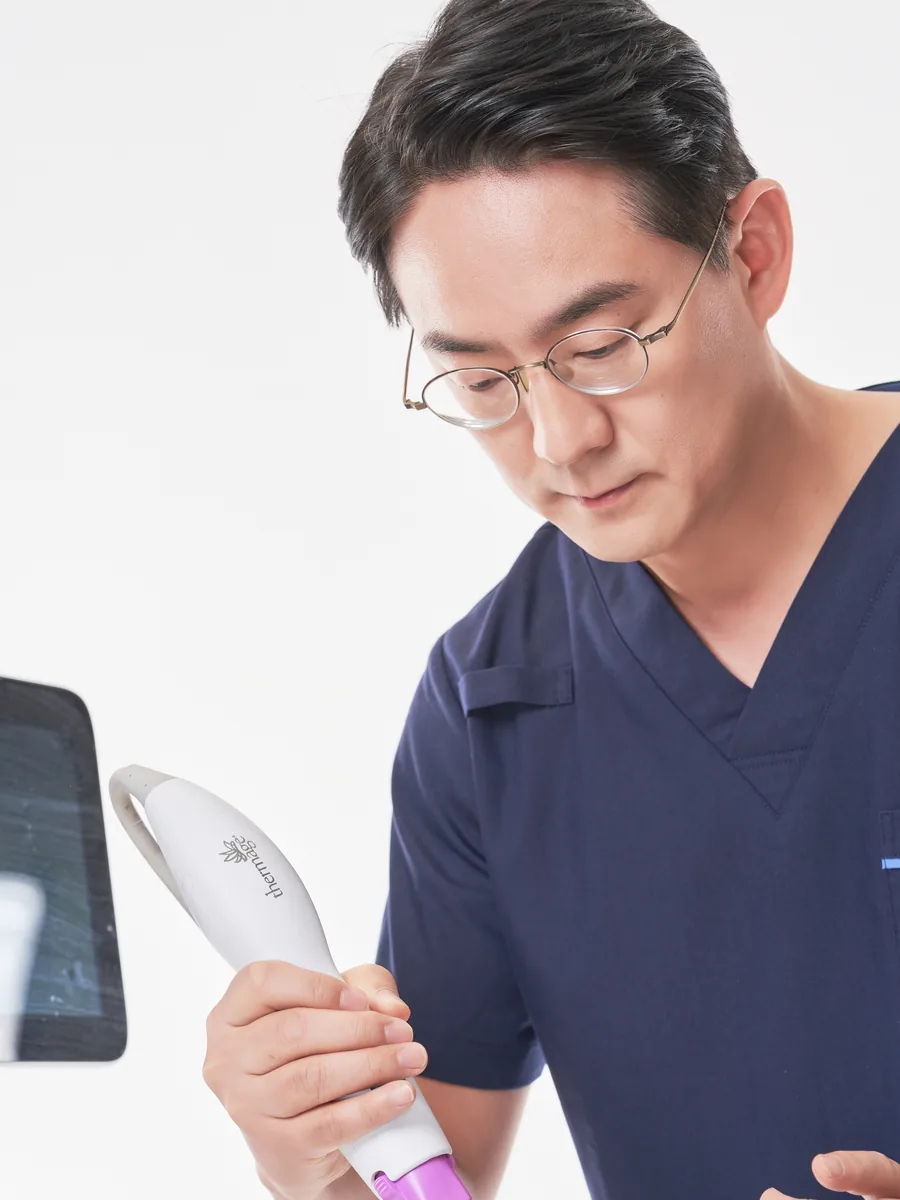
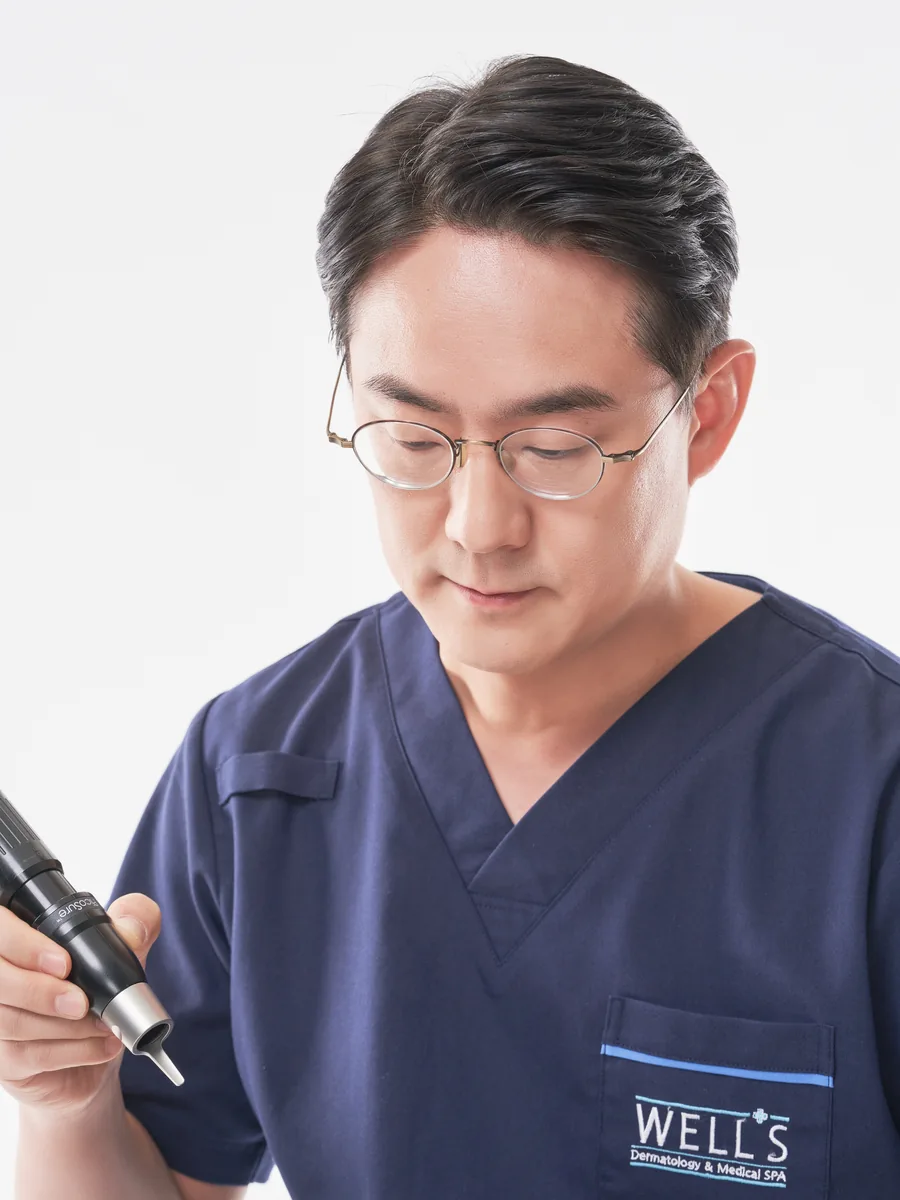
Hello, I'm Dr. Won Woo Choi, Medical Director · M.D., Ph.D.
WELLS Clinic has been in Apgujeong, Gangnam, since 2008. A dermatologist does the consultation and the treatment personally, and your face is analysed in 3D before anything starts.
I'm writing this because many people assume a glass skin facial is a spa visit with no downtime, and that is where trip plans go wrong.
Short answer: it is usually a laser for redness or uneven tone plus a skin booster injection for texture and hydration. Some redness or swelling in the first days is normal, so schedule the treatment well ahead of your flight.
Send a clear photo and your travel dates, and we will tell you what fits the time you have in Seoul.
Send your dates and a daylight photo on WhatsAppGlass skin describes three things at once: even colour, little visible redness, and a smooth surface that reflects light. A dermatologist treats each with a different tool, so a korea glass skin facial in a clinic looks more like a short plan than one 60-minute appointment.
Redness and broken capillaries respond to vascular lasers. WELLS uses Synergy, Clarity and BBL, which aim at the enlarged vessel and leave the surrounding skin alone. Anesthetic cream goes on beforehand, and the treatment can be limited to the nose or the cheeks if that's where the redness sits.
Uneven tone and flat spots call for toning or pigment lasers such as PicoSure Pro or MELA Triple Toning. The post on how laser toning works and how sessions are spaced covers that side, and older brown spots get their own diagnosis, explained in age spots removal, diagnosis first.
Texture and hydration are where skin boosters come in. Rejuran HB+ combines salmon-derived polynucleotide with hyaluronic acid and lidocaine; the lidocaine lowered post-injection pain by an average of 53% on the VAS scale compared with Rejuran Healer. The recommended course is four sessions, two to three weeks apart, so one trip usually covers the first session only.
If pigment is the main obstacle, this explainer on Korean hyperpigmentation treatment shows why the diagnosis comes before the laser. If it's breakouts, a glow plan usually waits until active acne is under control, because lasers and injections on inflamed skin add irritation to irritation.
Can you get glass skin naturally at home?
Partly. Sunscreen, a gentle cleanser and a moisturiser improve hydration and how light reflects off the skin, and that's most of what home care can do. Creams can't close a dilated vessel or lift pigment sitting in the dermis.
There's a measurable reason. A widely cited paper in Experimental Dermatology proposed that compounds above roughly 500 daltons pass through intact skin poorly (Bos & Meinardi, 2000). Hyaluronic acid in most creams is a much larger molecule, so it mainly hydrates the surface. That still helps; it's simply a different job from a booster placed under the skin.
Scrubbing harder to chase shine tends to backfire. The American Academy of Dermatology advises gentle exfoliation and warns that aggressive exfoliating can leave skin red and irritated (AAD), which is the opposite of the look you want. Keep the home routine either way: it's what protects a clinic result once you're back.
How many days in Seoul does the plan need?
Plan one consultation-and-treatment day, then add the healing time of whatever you'd least like to show on the plane. Booster swelling typically settles within a week; redness after a vessel laser usually fades within two weeks.
Those two figures come from different sources. A systematic review of polynucleotide injections in the Journal of Cosmetic Dermatology found injection-site swelling was the most frequent reaction and mild effects typically resolved within a week (review on PubMed Central). None of the included studies reported severe adverse events, though the authors rated those studies low to moderate in quality.
For laser and light treatment of visible vessels, the AAD notes that redness usually fades within two weeks and that a rash of red or purple spots tends to clear in one to two weeks (AAD).
The clinic calendar matters too. WELLS is open Monday to Friday 10:00–20:00 and Saturday 10:00–17:00, with lunch from 13:00 to 14:00, and is closed on Sundays and public holidays. Land on a Saturday evening and the first possible appointment is Monday, which quietly takes two days out of a five-day trip.
A practical rule for a korea glass skin facial on a short stay: put the treatment with the longer healing curve at the start of the trip, and keep the final day or two free of anything new.
Day 0 to day 14, treatment by treatment
The table puts the two most common glass-skin treatments side by side. Find the row that matches the day of your flight.
| When | Skin booster injection | Vascular laser for redness |
|---|---|---|
| Day 0 | Swelling at injection points, some soreness, possible small bruises | Redness; sometimes red or purple spots |
| Days 1–3 | Swelling usually easing | Redness often still visible |
| Days 4–7 | Mild effects typically resolved by the end of the week | Redness fading, spots clearing |
| Days 8–14 | Usually little to see | Redness usually gone by about two weeks |
The ranges come from the AAD and the review above, and individual skin heals at its own pace.
Say you land on a Thursday, have your treatment on Friday, and fly out on Monday. Your face is still pink on Saturday, which is common after laser, and you start to worry about the gate on Monday. I would look at your photo first. If redness is your main concern, I would likely suggest keeping the booster injection and the laser on separate days. That way you are not stacking two reactions just before the flight. If your skin is sensitive, I would also check whether the laser should be gentler. A review thread may say glass skin is "instant", but how fast your face settles depends on your own skin and the treatment chosen.
What decides the cost of a korea glass skin facial?
The cost depends on which treatments make up your plan. A laser for redness or tone and a skin booster injection are different procedures with different inputs. The amount of booster used and the area treated change the total, as does the number of sessions your skin needs. Whether numbing or sedation is used also plays a part. Your length of stay matters too: a longer stay can fit more steps and a follow-up check before you fly. To get the figure for your case, send a daylight photo of your face without makeup on WhatsApp and ask what your plan would involve.
Which side effects should you plan the flight around?
Redness, swelling and small bruises are the common ones, and in most people they're temporary. Less often, pigment darkens after a laser, more so in darker skin, and that change can outlast the trip by weeks.
DermNet notes that postinflammatory hyperpigmentation is more common in darker-skinned people and tends to be more intense and longer-lasting in them (DermNet).
Sun is the part travellers underestimate. The AAD advises staying out of the sun after laser and light treatment and protecting your skin when you must be outdoors, and DermNet recommends daily broad-spectrum SPF 50+ for pigment-prone skin. A trip spent walking palace grounds at noon calls for a different plan from one spent in museums and restaurants.
People who usually wait: anyone with a skin infection or cold sore on the face, a recent tan, or redness that has never been diagnosed. Persistent flushing can be rosacea, and this piece on what a Seoul dermatologist can change with brightening explains why redness and dullness are often different problems.
On flying: the CDC's advice to delay air travel 10–14 days is written for major surgery (CDC). Lasers and booster injections are non-surgical, and the exact departure time is still worth telling the dermatologist.
If the departure date is what you're unsure about, send it on WhatsApp with a photo of the area that bothers you most, whether that's the nose, the cheeks or the whole face. Ask which treatment fits the days you have; you'll hear back in English.
Send a clear photo and your travel dates, and we will tell you what fits the time you have in Seoul.
Send your dates and a daylight photo on WhatsAppPlanning it for a parent
Bring a written list of medications. Blood thinners, some supplements and recent procedures elsewhere can change bruising risk and timing, and older skin usually shows several problems at once that need sorting before anything is booked.
Years of sun typically leave a mix: broken capillaries on the cheeks, flat brown spots, and some loss of volume. Volume is a separate tool altogether; if hollowing is your parent's main concern, the guide to PLLA filler and Sculptra sessions covers how that is spread across visits.
The practical details help a parent who doesn't read Korean. WELLS is on the 8th floor of the Apgujeong building at 842 Nonhyeon-ro, Gangnam-gu, a five-minute walk from Apgujeong Station Exit 3 on Line 3. Keep the address on your phone in English for the taxi. The clinic opened in 2008, has a single location, and the Korean Dermatological Association certification mark is at the entrance.
Sit in on the consultation if you can. A second set of ears catches the aftercare details a tired traveller misses, especially the sun advice and which symptoms are normal on day two.
What happens once you're home?
Most of the healing in a glass-skin plan happens on the plane and in the first week at home.
The CDC recommends getting copies of all your medical records before you return home, and it points out that follow-up care for complications abroad may not be covered by health insurance. A one-page record makes any later conversation with a dermatologist at home quicker.
Keep the gentle routine and the sunscreen going. If the booster course continues, the next sessions sit two to three weeks apart, so a second Seoul visit can be planned around that rhythm, or the course can stop after one session if the change is enough for you.
Send one daylight photo of your face without makeup on WhatsApp, along with your arrival and departure dates. Ask this one question: "Which treatment order fits my dates?" One photo is enough, and you can ask before booking anything. When you come to the clinic, I examine your skin and recommend what fits your face and your trip.
Plan your visit before you fly
Send a daylight photo, your travel dates and what you have tried before. A dermatologist will suggest where to start and what fits your stay.
Send your dates and a daylight photo on WhatsAppReplies on WhatsApp · prices in KRW, excluding 10% VATBefore you message us
Is a glass skin facial in Korea the same as a spa facial?
No. A spa facial cleanses and hydrates the surface. In a dermatology clinic, the glass-skin look is approached with lasers for redness or tone and skin booster injections, chosen after a dermatologist examines the skin. At WELLS, a board-certified dermatologist does the consultation and the treatment.
Does a skin booster injection hurt?
Most people feel stinging and some soreness at the injection points. Rejuran HB+ includes lidocaine in the formula, which lowered average post-injection pain by 53% on the VAS scale compared with Rejuran Healer. For vascular lasers, anesthetic cream is applied beforehand.
Can a glass skin treatment help rosacea redness?
Rosacea needs a diagnosis first. Mild flushing can sometimes be managed with medication or skincare, while clear vascular changes are treated with vascular lasers; WELLS uses Synergy, Clarity and BBL for this, aimed at the vessel rather than the surrounding skin.
Which day of the week should I book in Seoul?
WELLS is open Monday to Friday 10:00–20:00 and Saturday 10:00–17:00, closed Sundays and public holidays. A weekday early in your stay leaves the most days for redness or swelling to settle before you fly.
How long does a glass skin result last?
Skin boosters work as a course; for Rejuran HB+ the recommended rhythm is four sessions two to three weeks apart. How long the change holds depends on sun exposure, age and your daily routine, which is why sunscreen matters as much as the treatment.
Results and recovery vary by individual. Every treatment carries possible side effects, which are explained at the consultation. Prices are in Korean won, excluding 10% VAT, and confirmed at your consultation. This article is general information from the clinic, not a diagnosis.
Dr. Won Woo Choi
- Board-certified dermatologist in Korea; trained at Seoul National University Hospital
- Dermatology residency, Seoul National University Hospital; board certification in dermatology in Korea
- Ph.D. in Dermatology, Seoul National University
- Former clinical instructor, Seoul National University Hospital
- Adjunct professor, Department of Dermatology, Seoul National University Hospital