Four sessions, one short trip: rejuran hb plus seoul for visitors
Rejuran HB+ is a salmon-derived polynucleotide skin booster with hyaluronic acid and lidocaine, given as a recommended four sessions 2–3 weeks apart; in Seoul, that course length is what a visitor has to plan around.


What goes into a Rejuran HB+ injection
Rejuran HB+ is an injectable skin booster made of salmon-derived polynucleotide (PN) with added hyaluronic acid and lidocaine, used for skin texture, fine lines, hydration and elasticity. At WELLS in Apgujeong, a board-certified dermatologist does the consultation and the injections, and the clinic doesn't use unnecessary sleep sedation. If you typed rejuran hb plus seoul into a search bar, the real worry is usually the calendar: the recommended course is four sessions at 2–3 week intervals, and you may have one week of leave with a flight home at the end of it.
So whether it's worth doing on a trip comes down to three questions. Does HB+ match what bothers you about your skin? What does one session do on its own? And where do the remaining sessions happen once you live a flight away? The Rejuran Korea visit guide walks through the clinic day itself, from arrival to flight timing.
If you already have dates, send them on WhatsApp together with a daylight photo of your face, no makeup or filters. Clear photos and travel dates are enough for a first suggestion of options and session timing, so you can weigh one session against a split course before you buy a ticket.
Send a clear photo and your travel dates, and we will tell you what fits the time you have in Seoul.
Send your travel dates on WhatsAppThree ingredients, three jobs. Polynucleotide (PN), purified DNA fragments from salmon, works on the skin's internal environment and structure; hyaluronic acid adds hydration; lidocaine, a local anaesthetic, is in the formula to make the injections more comfortable.
PN is often confused with PDRN, which is also DNA-derived. A review comparing the two in Pharmaceutics explains the difference through chain length: PN's longer chains form a hydrating, scaffold-like gel in the dermis, while PDRN's shorter fragments act mainly by signalling to cells. That's why PN boosters are discussed for texture and elasticity, and rarely for volume.
The lidocaine matters if needles are what has kept you from trying it. The clinic's treatment page lists an average 53% lower post-injection pain score on the VAS scale for HB+ compared with Rejuran Healer. There's more on the comfort side, including sedation, in how we keep Rejuran comfortable.
On evidence, a systematic review of polynucleotides in esthetic medicine in the Journal of Cosmetic Dermatology describes studies reporting improvement in texture, elasticity and fine lines, with side effects that were mostly mild and short-lived. The same review points out that many of the studies are small. Read PN as a gradual skin-quality treatment with reasonable support behind it.
Who is HB+ a good fit for, and who usually isn't?
HB+ suits skin that looks tired more than loose: rough texture, fine lines around the eyes and cheeks, dullness, dehydration and pores that look larger than they used to. It's a weaker match when the main concern is lost volume or sagging, because PN works on skin quality and doesn't lift tissue or fill hollows.
A quick way to sort yourself:
- Texture and fine lines are the complaint. HB+ is aimed at exactly this, over a course.
- Hollow temples or flattened cheeks. That's volume. A collagen stimulator such as poly-L-lactic acid is the usual conversation, covered in our guide to Sculptra sessions in Seoul.
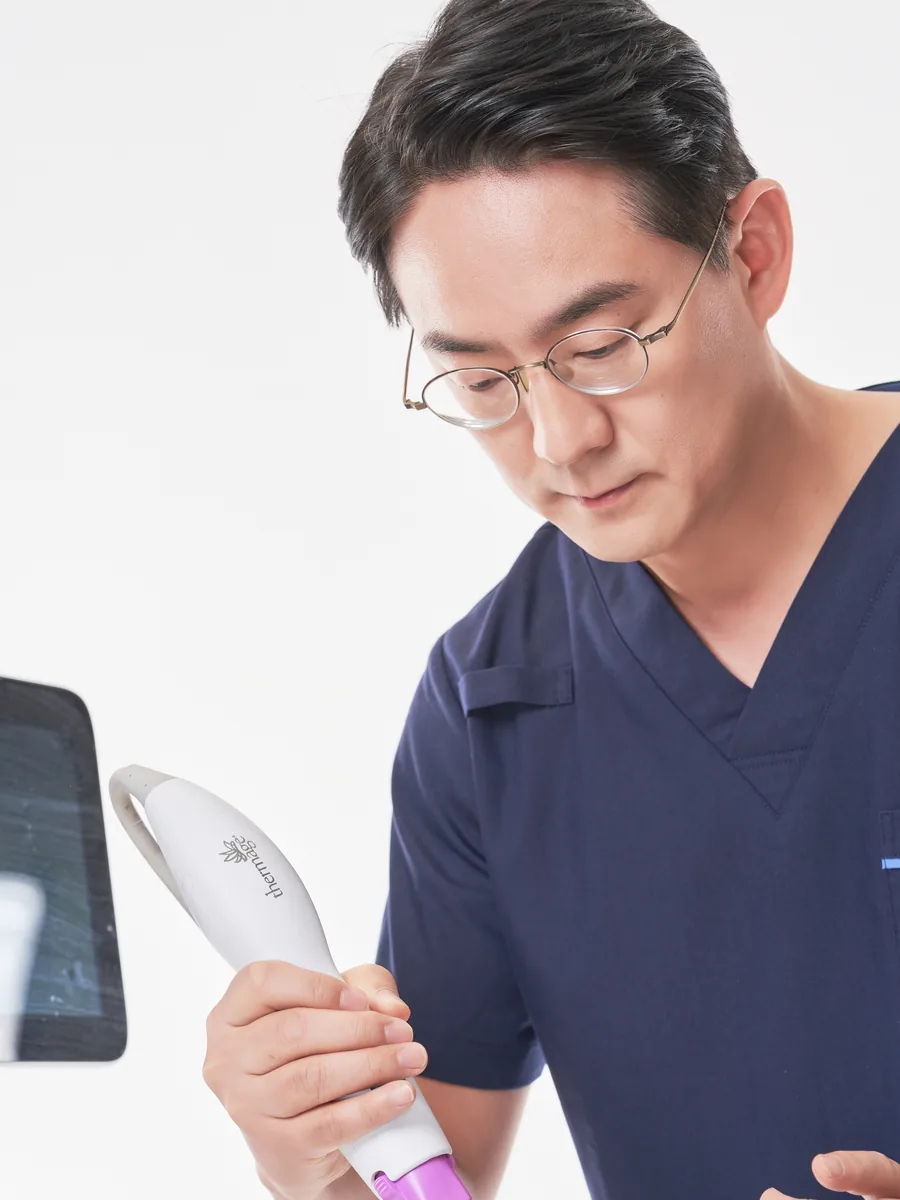
- A softer jawline or heavier lower face. That's laxity, which energy-based lifting addresses; the Thermage trip-planning guide covers fitting it around flights.
- Pores and oiliness bother you as much as texture. Ask about Rejuran Tox, explained further down.
Forum threads that call skin boosters a waste of money often come from someone who wanted a change in contour. That's a mismatch between tool and goal, and it's worth ruling out before you fly.
How do four HB+ sessions fit a trip to Seoul?
Four sessions at 2–3 week intervals span roughly six to nine weeks from the first injection to the last, so most visitors can't finish a course in one stay. For anyone planning rejuran hb plus seoul from abroad, there are four realistic patterns, and which one fits depends on where you live and how often you come.
| Your situation | How the course usually runs | The trade-off |
|---|---|---|
| Based in Asia, short flights to Seoul | Four visits, 2–3 weeks apart | Closest to the recommended plan; the most flights |
| A long stay in Seoul (study, work, two months or more) | The full course during the stay | Appointments spread over about two months |
| One trip a year from the US, UK or Australia | One session per trip | A first step rather than a full-course result |
| Starting here, continuing at home | First session in Seoul, the rest with your home dermatologist | Check first that your local clinic stocks HB+ |
The clinic is open Monday to Friday 10:00–20:00 and Saturday 10:00–17:00, with a lunch break from 13:00 to 14:00, and closed on Sundays and public holidays. For weekend travellers from nearby cities, a Saturday appointment uses the fewest leave days. WELLS is a five-minute walk from Exit 3 of Apgujeong Station on Line 3.
What tends to change from one session to the next is laid out in what to expect over a Rejuran course.
Send the dates you're considering on WhatsApp, and mention whether you live in Asia or further away. The dermatologist will advise on timing around your flights, which tells you whether a single session or a split course suits this trip before you commit to it.
Send a clear photo and your travel dates, and we will tell you what fits the time you have in Seoul.
Send your travel dates on WhatsAppSide effects, and the reasons to postpone
Most effects are local and short-lived: small raised bumps where the needle went in, redness, mild swelling, tenderness and sometimes bruising, which usually settle within a few days. Lumps that last longer are less common, and infection or an allergic reaction is rare.
A dermatologist will usually postpone or adjust the plan for:
- pregnancy or breastfeeding
- an active breakout, cold sore or skin infection in the area being treated
- an allergy to fish or salmon-derived products, or to lidocaine
- blood thinners or a tendency to bruise easily, since bruising is more likely and your flight date matters
- other recent treatments in the same area, such as filler, threads or laser
If you'd like to use Air NOX, the clinic's non-sleep sedation with oxygen and nitrous oxide, tell the team about pregnancy, any respiratory condition, panic disorder or vitamin B12 deficiency. Each of these affects whether Air NOX can be used.
Results and recovery differ from person to person, and whether HB+ suits your skin is decided when a dermatologist examines you in Seoul. The CDC's medical tourism page is worth reading before any treatment abroad, particularly the parts about keeping copies of your records and arranging follow-up care at home.
Is HB+ the same as Rejuran Healer or Rejuran Tox?
In short, they share a base. All three are built on PN: HB+ has hyaluronic acid and lidocaine in the syringe, Rejuran Healer is the original PN product, and Rejuran Tox is a WELLS combination that adds skin neuromodulator to HB+ in the same session.
If you want the ingredient-level detail, what's in Rejuran HB and how HB+ differs from Healer goes through it, and how Rejuran Healer is injected covers the original product.
Rejuran Tox pairs HB+ 3 cc with skin neuromodulator 3 cc. HB+ works from underneath on regeneration, hydration and elasticity, while micro-doses of neuromodulator spread through the surface layer soften fine lines, refine pores and help with oiliness and texture. You choose between two genuine neuromodulator products with the dermatologist, who sets the dose.
Who does the injecting at WELLS?
If you book rejuran hb plus seoul at WELLS, a board-certified dermatologist consults and injects. The clinic opened in 2008 and runs from one location in Apgujeong, and a 3D skin analysis before treatment is part of its process.
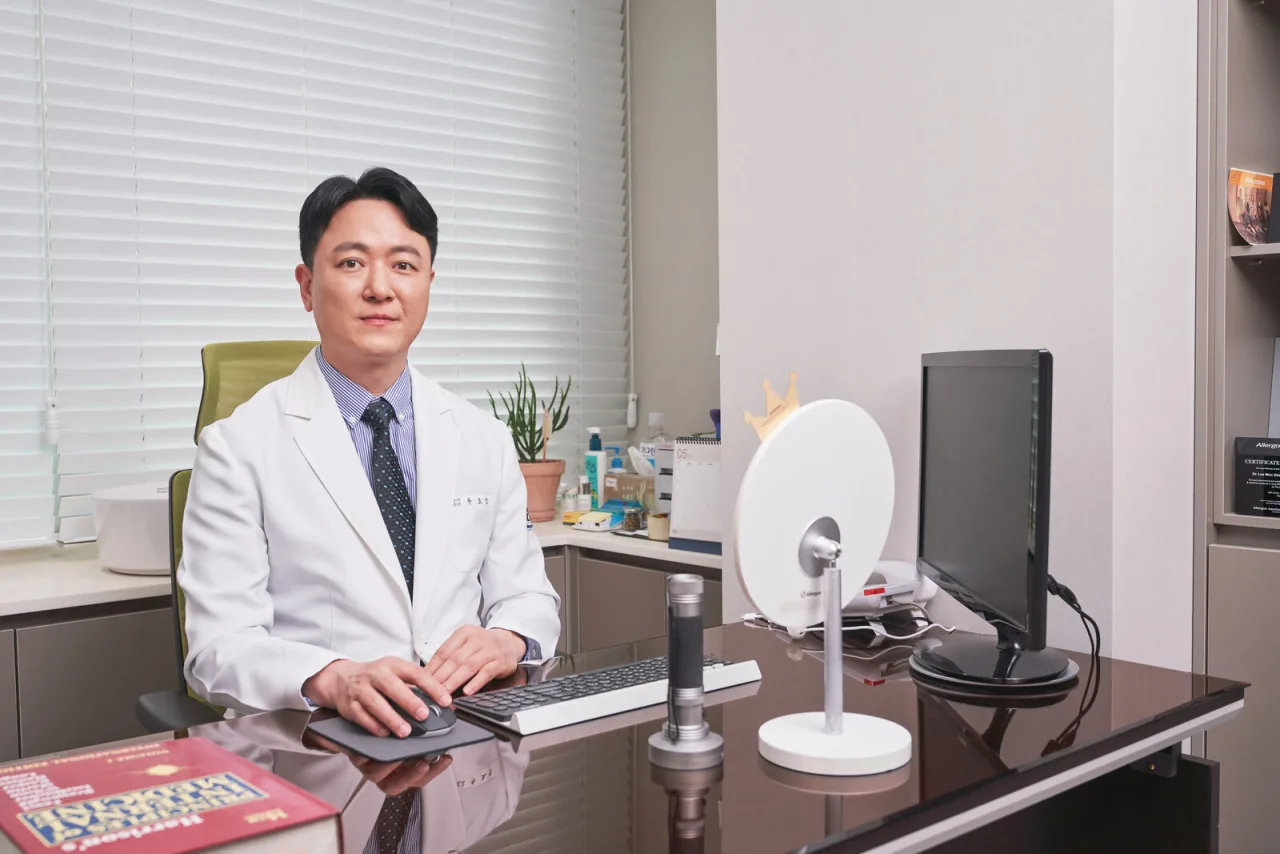
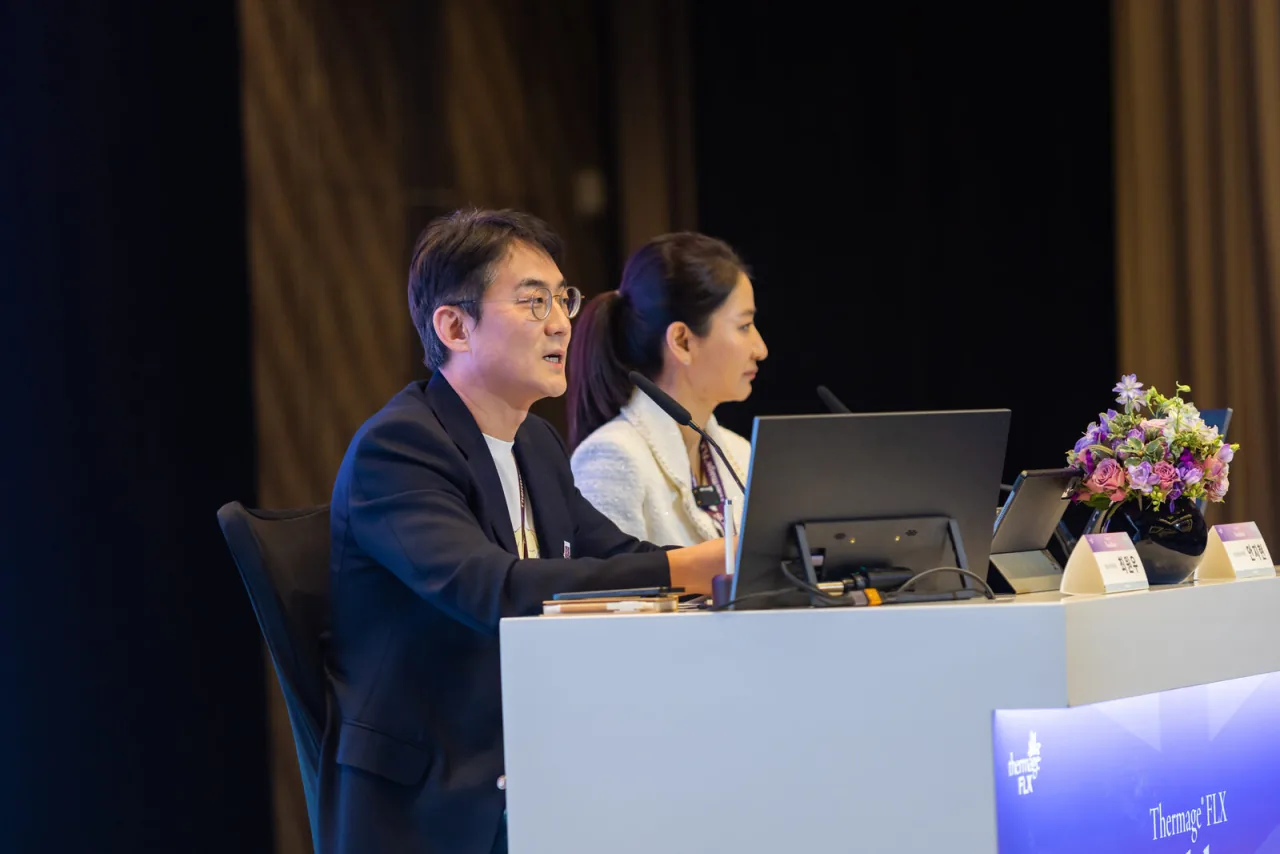
Dr. Won Woo Choi, the author of this page, completed residency and board certification in dermatology at Seoul National University Hospital, holds a Ph.D. in Dermatology from Seoul National University, and is an adjunct professor in the Department of Dermatology at Seoul National University Hospital. In March 2026 Dr. Choi lectured other doctors on ways to reduce neuromodulator resistance and side effects, which is relevant if you're weighing Rejuran Tox.
What to have ready before your first message
Dates and photos do most of the work. A useful first message includes:
- front and both side views of your face in daylight, no makeup or filters, plus close-ups of the area that bothers you
- your travel and flight dates
- previous treatments with the product or device and the date, especially fillers, threads or lifting
- medications, allergies (including fish) and skin conditions
- pregnancy, or any respiratory condition, panic disorder or vitamin B12 deficiency, if you'd like Air NOX
Send it all on WhatsApp in one message. With your photos and dates, the team can suggest whether HB+ alone, HB+ with skin smoothing injection, or a different tool fits what you described, and how the sessions could sit around your flights.
Plan your visit before you fly
Send a daylight photo, your travel dates and what you have tried before. A dermatologist will suggest where to start and what fits your stay.
Send your travel dates on WhatsAppReplies on WhatsApp · prices in KRW, excluding 10% VATBefore you message us
Can I fly home the day after Rejuran HB+?
Tell the clinic your flight dates on WhatsApp and the dermatologist will advise on timing. The small injection bumps usually flatten quickly, while bruising, if it happens, can take longer to fade. If you bruise easily or take blood thinners, mention it when you send your dates.
Does Rejuran HB+ hurt?
It's an injection, so you'll feel it, but lidocaine is mixed into the formula. The clinic's treatment page lists an average 53% lower post-injection pain score on the VAS scale compared with Rejuran Healer. WELLS also has Air NOX, a non-sleep sedation with oxygen and nitrous oxide, for people who are anxious about needles.
Is rejuran hb plus seoul treatment different from what my home clinic offers?
The product name is the same wherever it's sold. What differs is whether it's available in your country, the injection technique and how the course is planned. If you intend to continue the course at home, ask your local dermatologist before your trip whether they stock HB+.
How soon will I notice a change after HB+?
Some people feel their skin is more hydrated within days of a session. The texture, elasticity and fine-line changes reported in studies build over a course of repeated sessions, so judge it after the course and not after the first visit.
Can I combine HB+ with a laser or lifting treatment on the same trip?
Combining treatments on one trip is a common request, and the order and spacing matter. Send the list of treatments you're considering together with your dates and photos on WhatsApp, so the suggestion you get back accounts for all of them.
Results and recovery vary by individual. Every treatment carries possible side effects, which are explained at the consultation. Prices are in Korean won, excluding 10% VAT, and confirmed at your consultation. This article is general information from the clinic, not a diagnosis.
Dr. Won Woo Choi
- Board-certified dermatologist in Korea; trained at Seoul National University Hospital
- Dermatology residency, Seoul National University Hospital; board certification in dermatology in Korea
- Ph.D. in Dermatology, Seoul National University
- Former clinical instructor, Seoul National University Hospital
- Adjunct professor, Department of Dermatology, Seoul National University Hospital