Korean hyperpigmentation treatment: diagnosis first, then the laser
How a Seoul dermatologist sorts melasma, freckles, age spots and birthmarks before choosing a laser, and how a pigment visit fits around your flights.
Korean hyperpigmentation treatment: one word, several problems
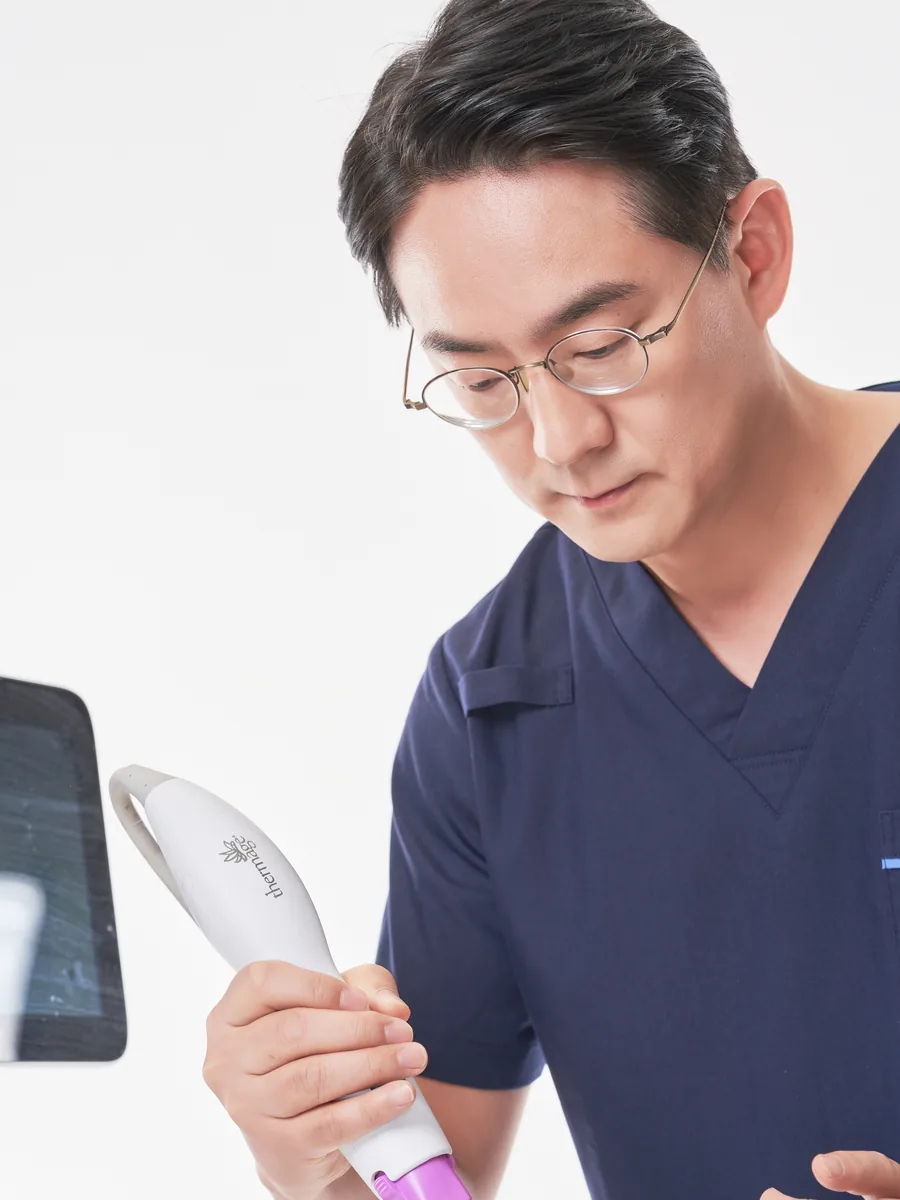
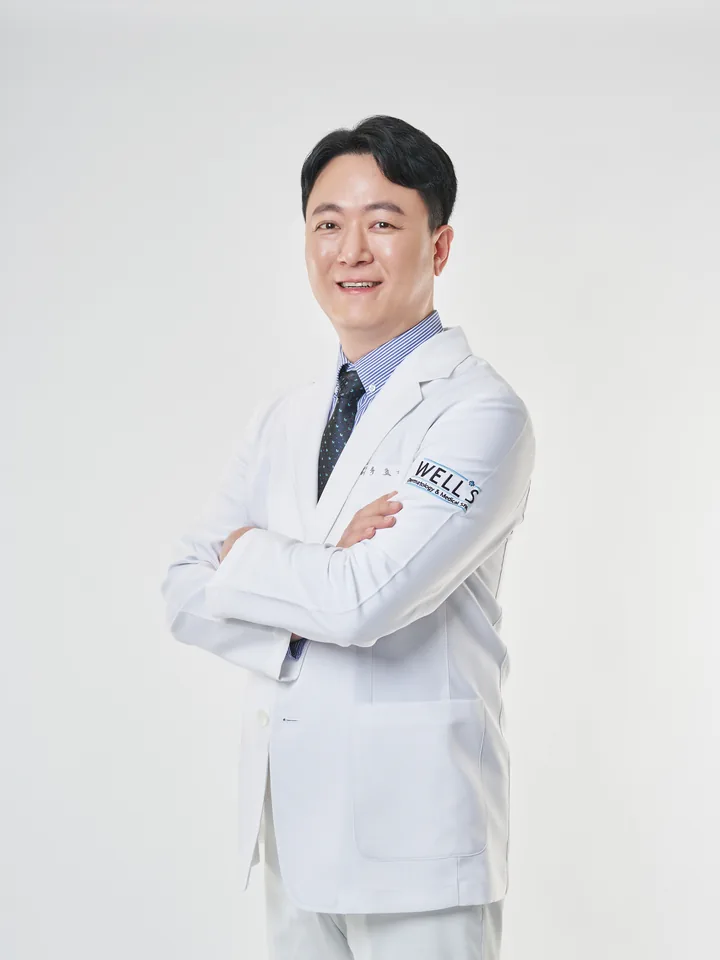
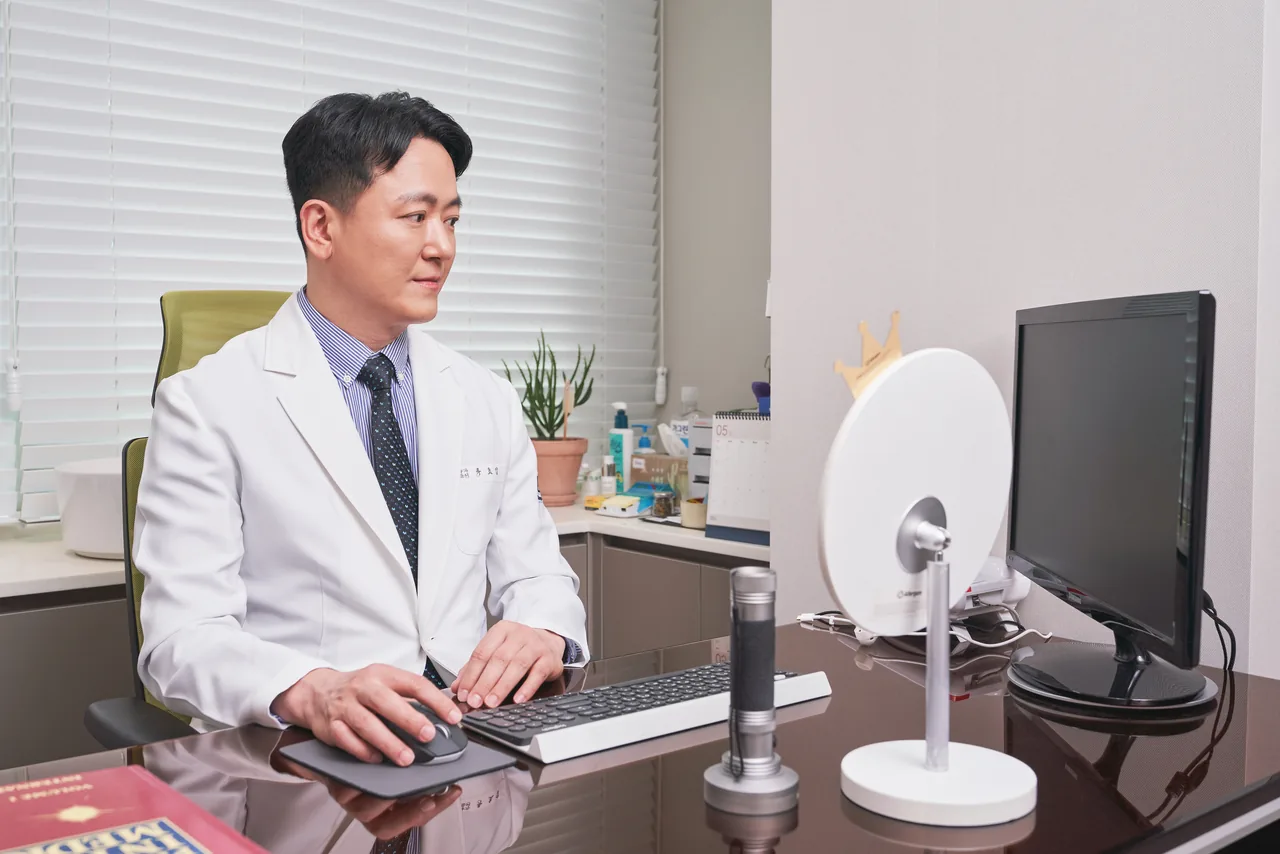
Hello, I'm Dr. Hyo Seop Ryu, a board-certified dermatologist (M.D., Ph.D.) and chief director at WELLS in Apgujeong. Before WELLS I was a clinical instructor and then an assistant professor of dermatology at Seoul National University Bundang Hospital. This post explains how we diagnose and treat pigment, and points to the guides where my colleagues and I go deeper.
If you are looking into Korean hyperpigmentation treatment, you have probably tried brightening serums, maybe a few laser sessions at home, and the dark patches are still there. The worry I hear is simple: will a trip to Seoul actually change anything, or will I pay for lasers that make it worse?
Hyperpigmentation is a description, not a diagnosis. Under that one word sit melasma, freckles, sun spots and age spots (lentigines), marks left after acne or irritation, and pigmented birthmarks such as nevus of Ota or café-au-lait spots. They can look alike in a photo and behave very differently under a laser.
How is hyperpigmentation diagnosed before any treatment?
Every Korean treatment for hyperpigmentation at WELLS starts with a dermatologist looking at three things. Even when two spots look alike, the approach has to change with their depth, their cause and the condition of the skin around them.
- Depth: freckles usually sit in the upper layer of skin (the epidermis), melasma often reaches into the dermis, and some birthmarks run from the epidermis down to the mid-dermis.
- Cause: sun spots form mainly from UV exposure, while melasma comes from a mix of UV, hormonal change, genetics and extra blood vessels in the skin.
- Skin condition: melasma skin often has a weaker barrier and dilated vessels, so it tolerates irritation poorly.
This is the step people skip when they book a laser from a price list. The laser type, the energy and the interval all follow from the diagnosis, not the other way round.
If you are unsure which one you have, our freckles vs melasma guide walks through the differences you can see in a mirror.
What is the best hyperpigmentation treatment in Korea for each type?
People ask me for the best hyperpigmentation treatment in Korea as if there were one. There isn't; there is a best match for each kind of pigment. This is how we usually map them at WELLS, with the final choice made at consultation.
| Pigment type | Where it usually sits | What we usually reach for |
|---|---|---|
| Freckles, sun spots | Upper skin (epidermis) | BBL at 515 nm with strong cooling, or pico laser |
| Age spots (lentigines) | Upper skin; some are deep-rooted | Focused pico laser; large or stubborn spots over several gentle sessions |
| Melasma | Often into the dermis, with barrier and vessel changes | Low-energy pico toning; MELA Triple Toning if it keeps coming back |
| Marks after acne or irritation | Varies | Gentle toning-based plans and strict sun care |
| Birthmarks (nevus of Ota, café-au-lait) | Epidermis to mid-dermis | Low-fluence picosecond pulses, slowly |
Freckles and sun spots
Freckles are usually the most rewarding pigment to treat because they sit near the surface. We often use BBL for freckles and sun spots, which keeps 515 nm steady from the first pulse to the last; its cooling is what makes that wavelength safe for Asian skin. Skin typically clears by around day seven, but freckles come back easily without sun protection.
Melasma
Melasma is where gentle matters most. We use pico toning for melasma and stubborn pigment at low energy, repeated, so the fragmented pigment is cleared gradually instead of provoking a rebound. Dr. Won Woo Choi explains the full reasoning in our Korean melasma treatment guide, so I won't repeat it here.
Birthmarks and deeper pigment
Pigmented birthmarks are treated slowly on purpose. Repeated high-heat treatment can cause post-inflammatory hyperpigmentation or hypopigmentation, so we use low-fluence picosecond pulses and choose the wavelength by the type and depth of the pigment.
Why Korean skin treatment for hyperpigmentation goes gentle and repeated
The pattern you will see in almost any Korean skin treatment for hyperpigmentation is low energy, repeated over a course. That isn't timidity. Strong settings used to clear pigment fast can cause darker rebound pigment, white hypopigmented spots, or blotchy fading that looks worse than before.
Pigment that keeps returning is a sign that the skin environment needs attention, not only the melanin. That is the idea behind MELA Triple Toning, our own protocol: pico or Clarity toning for the pigment, Potenza microneedle RF to renew the deeper skin environment, then a skin-brightening enzyme developed at WELLS driven in with LDM ultrasound. It is listed at ₩770,000 (VAT excluded) per session.
Intervals matter as much as energy. Too short, and the skin is irritated again before it has recovered; too long, and newly formed pigment can cover the improvement already made. The dermatologist sets the spacing for your skin and your pigment.
Not sure which kind of pigment you have? Send a daylight photo without makeup and tell me what you have already tried.
Send a photo, get a planWhat happens to your skin after a pigment laser?
A common worry is that laser makes skin thinner. Most pigment lasers don't change skin thickness at all. What you feel is a temporarily weakened barrier: laser energy reaching pigment cells causes a small inflammatory reaction where the epidermis meets the dermis, so skin can feel red, dry or tight for a while.
We often follow the laser straight away with LDM, an ultrasound soothing treatment that helps ease redness and dryness. How you spend the sensitive period afterwards shapes the final result.
- Use sunscreen every day: the skin's UV defence is weaker after treatment, and exposure can create new pigment or drive existing spots deeper.
- Let any fine crusts fall off on their own rather than picking them.
- Moisturise generously, and skip saunas, jjimjilbang and alcohol for the first few days.
How a hyperpigmentation visit to Seoul works
For overseas patients, a hyperpigmentation treatment Korean-style is planned before you land. Consultations at the clinic are available in English and replies on WhatsApp are in English, so you won't need a translator.
- Message us on WhatsApp with your concern, a photo and your travel dates. We reply with options and available appointment times.
- At the consultation a dermatologist examines the pigment and confirms the plan and the price before anything starts. Prices are in Korean won and exclude 10% VAT.
- Treatment is carried out by a dermatologist, often followed by LDM soothing care.
- You leave with aftercare instructions, and you can reach us on WhatsApp once you are home.
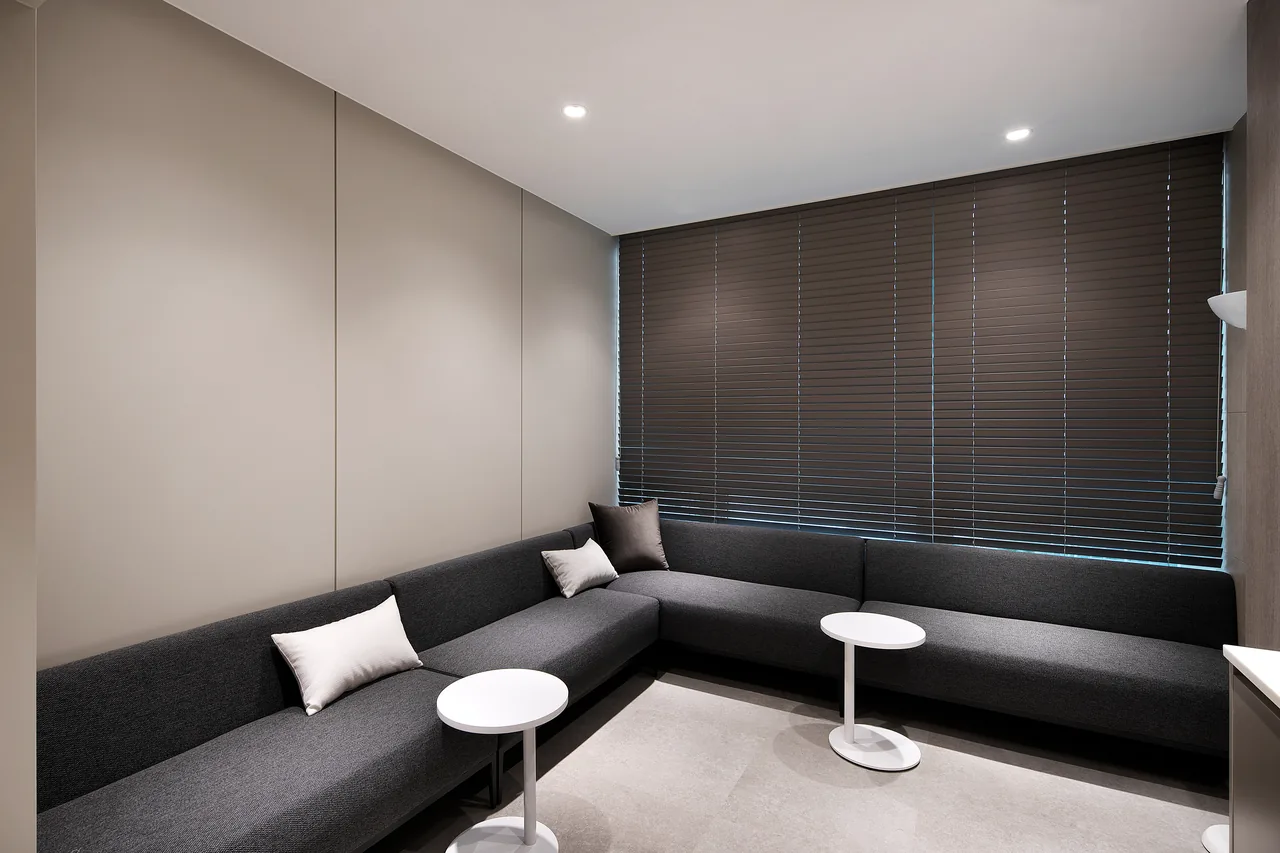
The clinic is on the 8th floor of the Apgujeong Building, 842 Nonhyeon-ro, about five minutes on foot from Apgujeong Station Exit 3 (Line 3). We have treated pigment here since 2008, and you can read about each dermatologist on our doctors page.
Timing pigment treatment around your flights
Pigment is usually a course rather than a single appointment, and I would rather tell you that before you book than after. On a short trip, the realistic aim is a proper diagnosis, a first session and a clear plan for what follows.
- Freckles and sun spots suit a shorter trip, since skin typically clears by around day seven after BBL. Book early in your stay.
- Melasma needs a series. If it won't fit one trip, we say so before you start.
- Birthmarks are slow by design and are best planned across repeat visits.
- Weekdays give the most choice: Monday to Friday 10:00–20:00, Saturday 10:00–17:00, closed Sundays and public holidays.
If you are weighing pico specifically, my pico laser Korea guide covers how sessions fit around flights. Every option is listed side by side on our pigmentation and melasma treatments page.
Tell me your dates and what the pigment looks like, and we will suggest what realistically fits into your stay.
Plan my pigment visitIf laser toning is on your list, laser toning in Korea covers who it suits, and laser toning cost in Korea covers the price.
Send a photo and your dates, and a dermatologist will plan your pigment treatment before you fly.
Tell us what the pigment looks like, what you have tried and when you will be in Seoul. You will get suggested options, the price where it is listed, and available times.
Message the clinic on WhatsAppReplies on WhatsApp · prices in KRW, excluding 10% VATBefore you message us
What is the best Korean hyperpigmentation treatment?
There is no single best one. Freckles and sun spots often respond to BBL or pico laser, melasma needs low-energy pico toning repeated over a course, and birthmarks need low-fluence picosecond pulses. A dermatologist decides after reading the type and depth of your pigment.
Can hyperpigmentation be removed in one session?
Sometimes. Small, superficial sun spots often clear in one or two sessions, and freckles usually brighten early. Melasma and deeper pigment need a series, and forcing them in one strong session can make them darker.
Does pigment laser make my skin thinner?
No. Most pigment lasers don't change skin thickness. Skin can feel thinner for a while because the barrier is temporarily weakened during normal recovery, and we often add LDM soothing care straight after the laser.
How much does hyperpigmentation treatment cost at WELLS?
MELA Triple Toning is listed at ₩770,000 (VAT excluded) per session. Pico toning, PicoSure Pro, BBL and birthmark treatment are priced at consultation, and the dermatologist confirms the plan and price before anything starts.
Can I do the consultation in English?
Yes. Consultations at the clinic are available in English, and WhatsApp replies are in English, so you can plan the whole visit without a translator.
Results and recovery vary by individual. Every treatment carries possible side effects, which are explained at the consultation. Prices are in Korean won, excluding 10% VAT, and confirmed at your consultation. This article is general information from the clinic, not a diagnosis.
Dr. Hyo Seop Ryu
- Board-certified dermatologist, M.D., Ph.D.
- Clinical instructor, Department of Dermatology, Seoul National University Bundang Hospital
- Assistant professor, Seoul National University Bundang Hospital
- Visiting professor, Dubai Maris Clinic, through International St. Mary's Hospital
- Former chief director, Bundang Bon Dermatology Clinic