Mole removal healing stages pictures: each stage, described in words
A Seoul dermatologist walks through each stage of healing after laser mole removal: what is normal, what is not, and how scarring risk is managed.

Whether this treatment suits you needs a dermatologist to assess. Send a photo and your travel dates on WhatsApp, and we reply in English whether it can be arranged for your case and which days are open.
Ask us on WhatsApp
Mole removal healing stages: the short answer
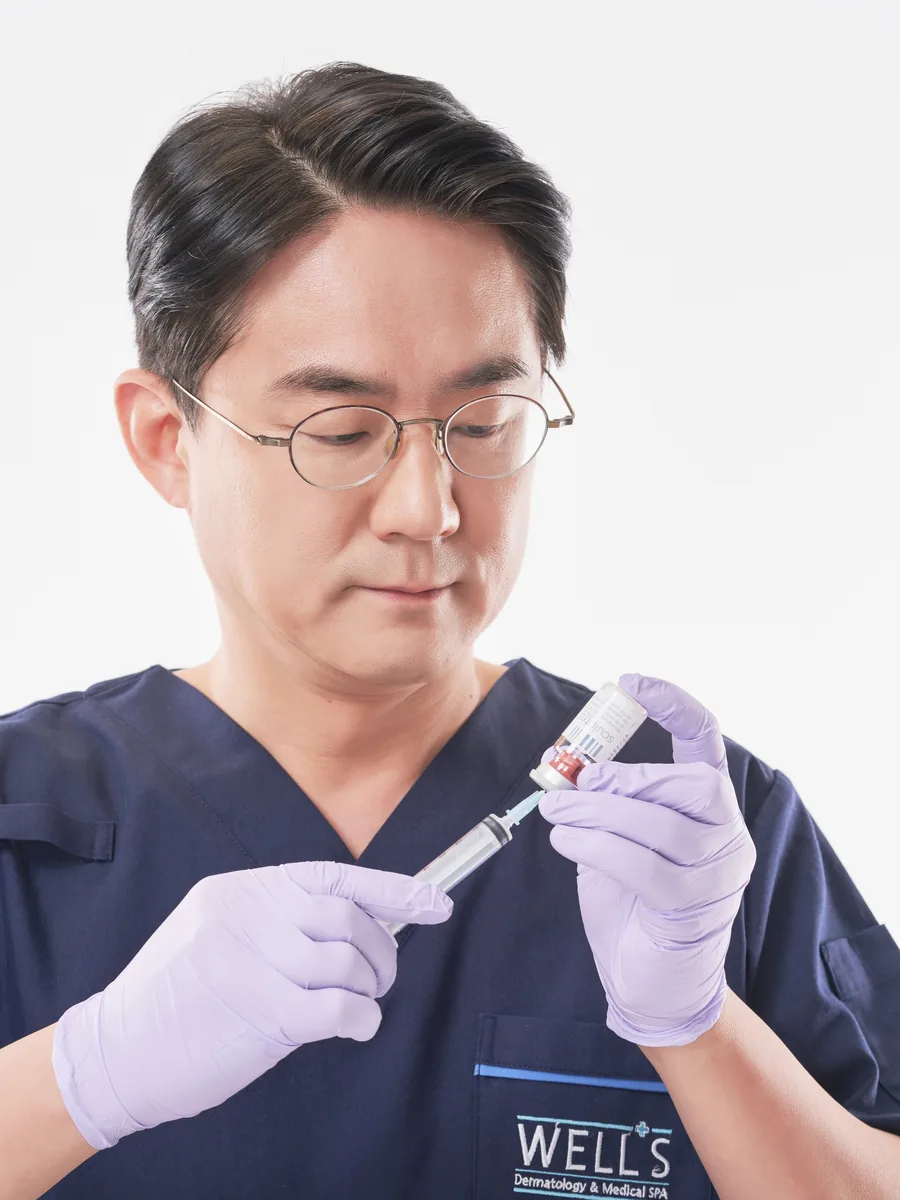
Hello, I'm Dr. Won Sin Lee, a board-certified dermatologist and Chief Director at WELLS Clinic in Apgujeong, Seoul. I completed my residency and board certification in dermatology at Asan Medical Center, where I am also an adjunct professor in the Department of Dermatology. Patients often ask me for mole removal healing stages pictures before they decide, because they want to know what the spot will look like on the flight home, at work next week and a few months on.
Here is the direct answer. After laser removal, the spot moves through a predictable order: a small fresh wound, a short weepy or sticky phase, a scab or crust, pink new skin, and then slow fading toward your own skin tone. How long each stage lasts depends on how large and how deep the mole was, so the timing for your spot is confirmed at consultation rather than promised in advance.
What matters most is not speed but how the spot heals. Most of what decides whether a mark is left behind is what happens in the healing weeks: whether the scab is left alone, whether the area is protected from sun and friction, and whether a deeper mole was removed gradually instead of all at once.
Worried about your own case? Let a dermatologist look first: send a photo and your dates, and we reply whether it can be arranged.
Ask us on WhatsAppWhy there are no mole removal healing stages pictures on this page
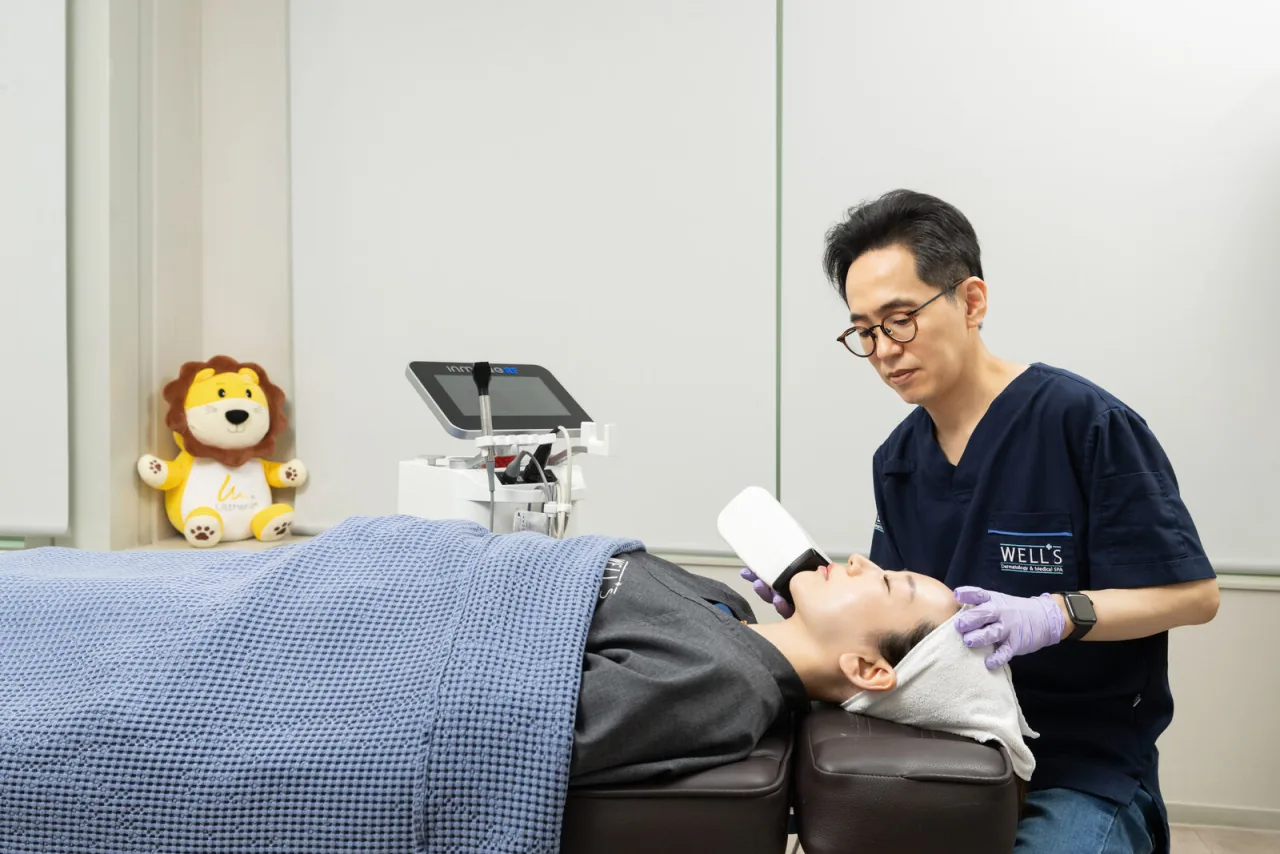
WELLS does not publish wound photos or treatment comparison images on its website, and that includes mole removal. So instead of showing photos, I describe each stage in words, the way I would explain it to you in the consultation room.
There is a practical reason this works better anyway. Mole removal healing stages pictures from strangers show someone else's mole, on someone else's skin, at a depth you cannot judge. A spot on the nose and a spot on the back can heal quite differently, and a photo cannot tell you which one you are looking at.
If you already had a mole removed and want to know whether your spot looks right, the most useful thing is to look at your own photo. Send it on WhatsApp in good daylight, with the date of treatment, and a dermatologist will give an opinion.
Send a clear daylight photo of your healing spot and the date it was treated. A dermatologist will tell you whether it looks like normal healing.
Send a photo of your spotWhat each healing stage usually looks like
The descriptions below are general. They describe how a small laser wound typically behaves, not a fixed schedule. Your aftercare sheet from the clinic is the rule to follow.
Day of treatment: a small, clean, shallow wound
Right after laser removal, the mole is gone and in its place is a small open or slightly sunken spot. It may look pink or red at the edges and feel a little tender. Some people expect a flat, finished spot immediately, but on the first day it looks like a fresh graze, and that is normal.
The first days: moist, then drying
In the first days the spot can look moist or slightly sticky as the skin begins to close. Mild redness around the edge is common. This is the stage where it is most tempting to touch or peel it, and the stage where it most needs to be left alone and kept clean, as your aftercare sheet describes.
The scab stage: a crusty spot that should come off by itself
Next, a thin brown or dark crust usually forms. A crusty mole site can look darker than the mole did, which worries people, but the crust is simply a natural dressing. Let it fall off on its own. Picking it early is one of the commonest reasons a spot heals with a dent or a dark mark.
Pink new skin: smooth, shiny and lighter or redder than the rest
Once the crust lifts, the skin underneath is usually pink and slightly shiny. It can look like a red mole has appeared where the brown one was. This is new skin, and it is more delicate than the skin around it, especially in the sun.
The following weeks: the colour settles
Over the following weeks the pink tone generally fades step by step. In some skin types the spot passes through a slightly darker phase before it settles, particularly if it caught the sun. How quickly this happens varies from person to person and from one part of the body to another.
Months later: the final look, and whether a second session is needed
The final result is judged months after treatment, not in the first weeks. This is also the point at which we can see whether any pigment from a deeper mole remains, and whether another session makes sense.

Normal healing or a reason to message the clinic?
Most questions I get after mole removal are about whether something is normal. This table is a general guide. When in doubt, send a photo rather than guessing.
| What you notice | Usually part of normal healing | Message the clinic |
|---|---|---|
| Redness | A pink or red rim around the spot that slowly fades | Redness that spreads outward, or gets darker and hotter each day |
| Itchy healing spot | Mild itching as the skin closes and the crust dries | Itching with swelling, a rash or blisters around the area |
| Crust or scab | A thin brown crust that loosens and falls off by itself | A thick, wet crust with yellow discharge or a bad smell |
| Pain | Mild tenderness early on that eases | Pain that increases rather than settles |
| Colour of new skin | Pink, then gradually closer to your own skin tone | Brown or dark pigment returning in the same spot |
| Bleeding | A small spot of blood if the crust is knocked | Bleeding that does not stop with gentle pressure |
Pigment returning is worth a separate word. It does not always mean something went wrong. Some moles extend deeper than the first session reached, and that is exactly why we plan staged treatment for them. But it should be looked at, and a change you cannot explain belongs with a dermatologist.
The same goes for a new mole elsewhere, or a raised mole or itchy mole that has changed. That is a different question from healing, and our guide on when to get a mole checked covers the signs a dermatologist looks for.
Why deeper moles heal in stages over months
Not every mole sits in the same layer of the skin. Some extend into deeper layers and are not removed in one session. Forcing a deep mole out at once can scar, so at WELLS we treat those moles in several sessions two to three months apart.
In practice this means your healing stages repeat. You go through the crust and pink-skin phases after the first session, the skin settles, and then the next session removes more of what remains. It takes longer, but it gives the skin time to recover between steps, which is the point.
Which moles need staging is decided in person. Size, colour and how deep the mole appears all play a part, and the dermatologist tells you at the consultation whether one session is likely to be enough. The mole removal page summarises how we approach this.
Aftercare that lowers the risk of a scar or dark mark
You leave the clinic with the dermatologist's aftercare instructions, and those come first. In general terms, a laser-treated spot is a small wound that heals best when it is kept clean, protected and left alone.
- Do not pick, peel or scratch the crust. Let it come away by itself.
- Wash gently. Avoid scrubbing, exfoliating products and rubbing the spot dry with a towel.
- Protect the new pink skin from sun, because healing skin can darken more easily.
- Reduce friction from collars, straps, masks or glasses frames where you can.
- Hold off on heavy sweating and saunas while the spot is fresh, unless the dermatologist says otherwise.
- Do not try to treat a leftover dark point at home. Message us instead.
That last point matters more than it sounds. Squeezing, scraping or applying something harsh to a skin lesion at home can cause inflammation or pigmentation, and treatment without an accurate diagnosis can leave scars. A dark point that remains is a question for the dermatologist, not for a needle at home.
Diagnosis matters before removal too. Not every brown spot is a mole, and some lesions need a different approach. If you are unsure what your spot is, our skin conditions hub lists the related treatments we offer.
Not sure whether your spot is healing normally, or whether a deeper mole will need staging? Send a photo and a dermatologist will advise.
Ask a dermatologist on WhatsAppHealing while travelling: flights, follow-up and getting advice from home
Many of the people who ask me about healing are visiting Seoul. If you are planning removal around a trip, tell us your flight dates on WhatsApp and the dermatologist will advise on timing. A spot that is still crusted on the plane is normal; it just needs the same care as at home.
After you fly home, you can still reach us on WhatsApp. That is the moment most people want a second opinion, usually at the crust stage or when the pink skin looks redder than expected. A clear daylight photo and the treatment date are enough for us to start.
If you have not been treated yet, two other guides may help: how a mole removal visit in Korea works from first message to aftercare, and what decides the mole removal cost, which is confirmed at consultation. You can read more about my background on my profile page.

Ask about your healing spot
Send a clear daylight photo of your spot, the date it was treated and any questions. We reply in English, and a dermatologist tells you whether it looks like normal healing or needs a closer look.
Message the clinic on WhatsAppReplies on WhatsApp · prices in KRW, including 10% VATBefore you message us
Can you send me mole removal healing stages pictures?
WELLS does not publish wound photos or treatment comparison images, so this guide describes each stage in words. If you want an opinion on your own spot, send a clear daylight photo and the treatment date on WhatsApp and a dermatologist will look at it.
Is an itchy spot normal while a mole removal site heals?
Mild itching is common as healing skin closes and the crust dries. Try not to scratch, because that can disturb the crust. Itching together with swelling, a rash or spreading redness is a reason to message the clinic.
Why does the spot look like a red mole after the scab falls off?
The skin under the crust is new and usually pink and slightly shiny. It generally fades gradually toward your own skin tone, and protecting it from the sun helps. How long this takes varies, so ask if it worries you.
Will the mole come back after laser removal?
Some moles extend into deeper layers of the skin and are not removed in one session. At WELLS those are treated in several sessions two to three months apart. If pigment reappears in the spot, send a photo so a dermatologist can judge whether another session is needed.
Can I fly home while the spot is still healing?
Tell us your flight dates on WhatsApp and the dermatologist will advise on timing. You leave with aftercare instructions, and you can still reach us on WhatsApp after you fly home.
Results and recovery vary by individual. Every treatment carries possible side effects, which are explained at the consultation. Prices are in Korean won, including 10% VAT, and confirmed at your consultation. This article is general information from the clinic, not a diagnosis.
Dr. Won Sin Lee
- Board-certified dermatologist in Korea; trained at Asan Medical Center in Seoul
- Dermatology residency, Asan Medical Center; board certification in dermatology in Korea
- Adjunct professor, Department of Dermatology, Asan Medical Center
- Former director, Bokji Dermatology Clinic, Korean Leprosy Welfare Association
- Commendation for Outstanding Service as a Public Health Physician