Korean lifting thread reviews: which claims hold up? Risks, how long it lasts and how to check a Seoul clinic
Korean lifting thread reviews are mostly right about the instant lift without surgery, and they oversell how long it lasts and how easy the first week is.

What Korean lifting thread reviews get right
Reading Korean lifting thread reviews and still unsure whether the lift really lasts, or whether those small dimples in other people's cheeks are normal?
If you're fitting threads into a long weekend in Seoul, go through the section on the first week before you lock in an appointment day.
Which review claims hold up, what can go wrong, how long the lift lasts, and how to check a clinic from abroad: those four answers decide whether threads deserve one of your few days here.
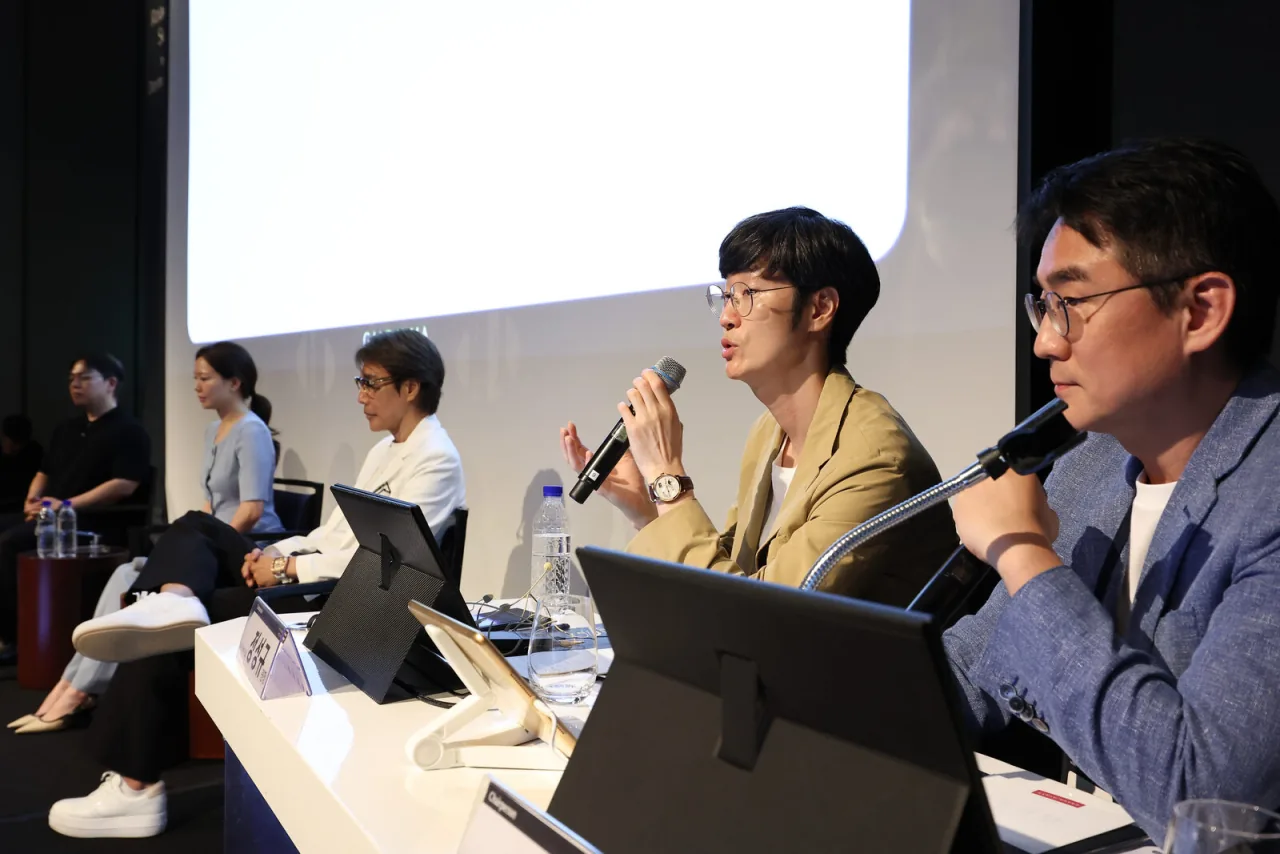
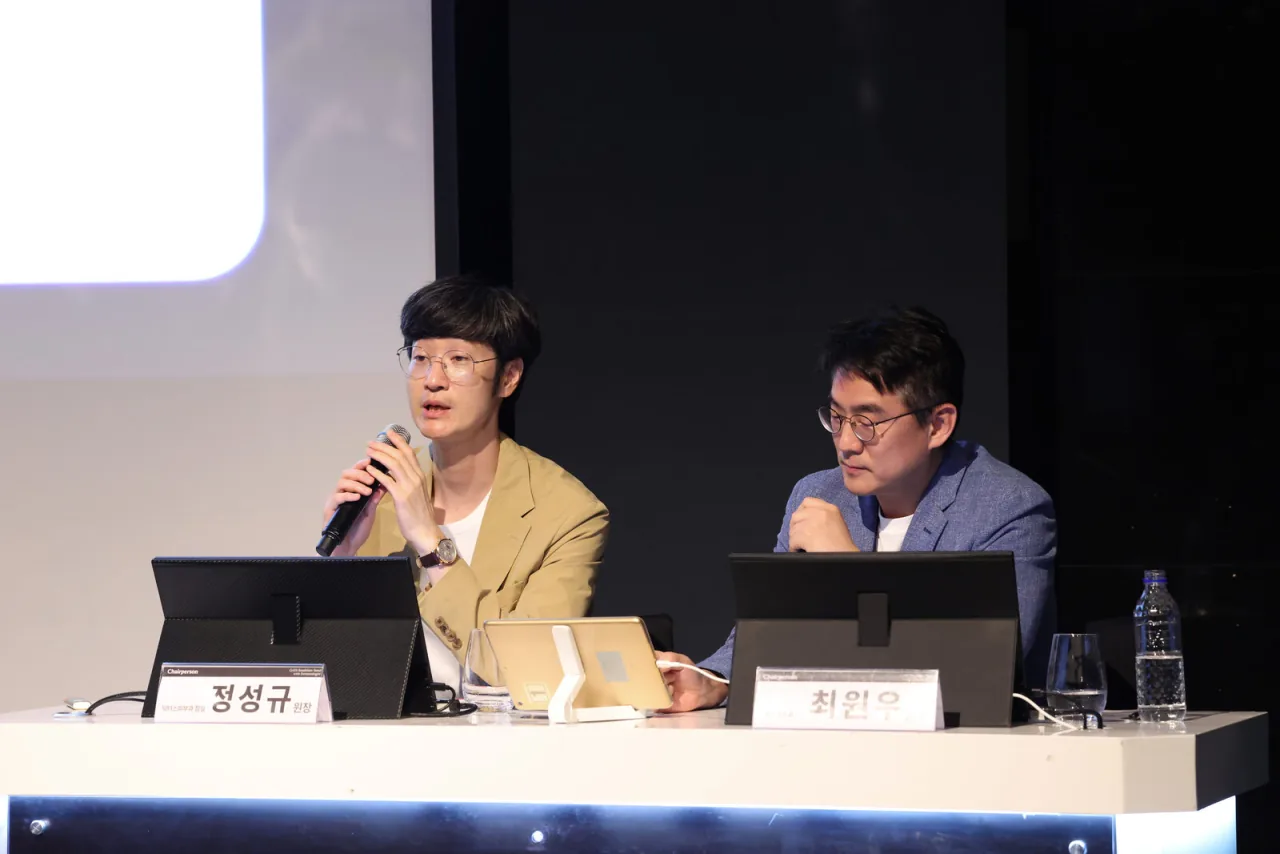
Hello, I'm Dr. Won Woo Choi, Medical Director (M.D., Ph.D.) at WELL'S Dermatology in Seoul. I completed my residency and board certification in dermatology at Seoul National University Hospital, where I'm an adjunct professor.
WELLS has had one clinic, in Apgujeong, since 2008. A dermatologist does the consultation and places the threads, we use only genuine KFDA-approved threads, and foreign patients get a medical interpreter at no extra charge.
Most thread lift reviews are written in the first days, when the lift looks strongest, and say little about the face months later.
The reviews are mostly right that threads give a visible lift straight away without surgery. Where they mislead is on how long it lasts and how the first week feels: expect swelling, tenderness and sometimes dimpling, and a lift measured in a year or more, not a decade.
If you're not sure threads fit your face at all, send one side-view photo taken in daylight on WhatsApp and ask whether your sagging is the kind threads can lift.
Send a clear photo and your travel dates, and we will tell you what fits the time you have in Seoul.
Send a side-view photo on WhatsAppA thread lift uses fine absorbable threads with tiny barbs or cones, placed under the skin through a needle, to hold tissue that has dropped a little higher. The lift is visible the moment the threads are anchored, which is why so many reviews appear on day one. Placement takes around 20 to 60 minutes, and there is no surgery.
The second thing reviewers notice comes later. As the threads dissolve, the skin builds collagen around them, and tone and elasticity usually keep improving over two to four weeks.
The American Society of Plastic Surgeons describes thread lifting as a less invasive option than a facelift, with a shorter recovery and a result that doesn't last as long. That matches what I'd tell you in the consultation room, and it's a useful lens for reading any review.
Which review claims don't hold up?
“It lasts for years and years.” Our threads give a result that outlasts filler and holds for more than a year. After that, ageing carries on and dissolved threads hold nothing, so a review promising a five-year lift is describing hope.
Risks and side effects to know
“Zero downtime.” No incision is true; no downtime isn't. Swelling, small bruises at the entry points, tightness when you open your mouth wide and a pulling feeling are common in the first week.
“Anyone can get it.” Threads work on tissue that has started to descend, and they suit mild to moderate sagging. Heavy jowls and loose neck skin usually need surgery, and threads placed into that face tend to disappoint.
“A dimple means it went wrong.” Small puckers at an entry point or along a thread line often soften as the swelling settles. A dimple that persists or deepens after the first couple of weeks is a reason to go back to the doctor who placed it.
Reviews still have a use. They tell you whether someone felt rushed or understood what was said to them; they can't tell you whether threads suited that face, let alone yours.
Say you're 31 with four days in Seoul: how I'd think it through
Say you live in Singapore, you've booked a Thursday-to-Sunday trip, and what bothers you is a softer jawline and the first folds beside your mouth. You've read a dozen reviews and settled on threads. Before agreeing, I'd want to know what is causing that softer jawline.
At 31, a blurred jawline is often fullness under the chin rather than skin that has dropped. Threads don't remove fat; that's where Mini FX, the fat-reduction mode of InMode, comes into the conversation, and our guide to InMode Forma and Mini FX in Seoul covers how it fits a visit.
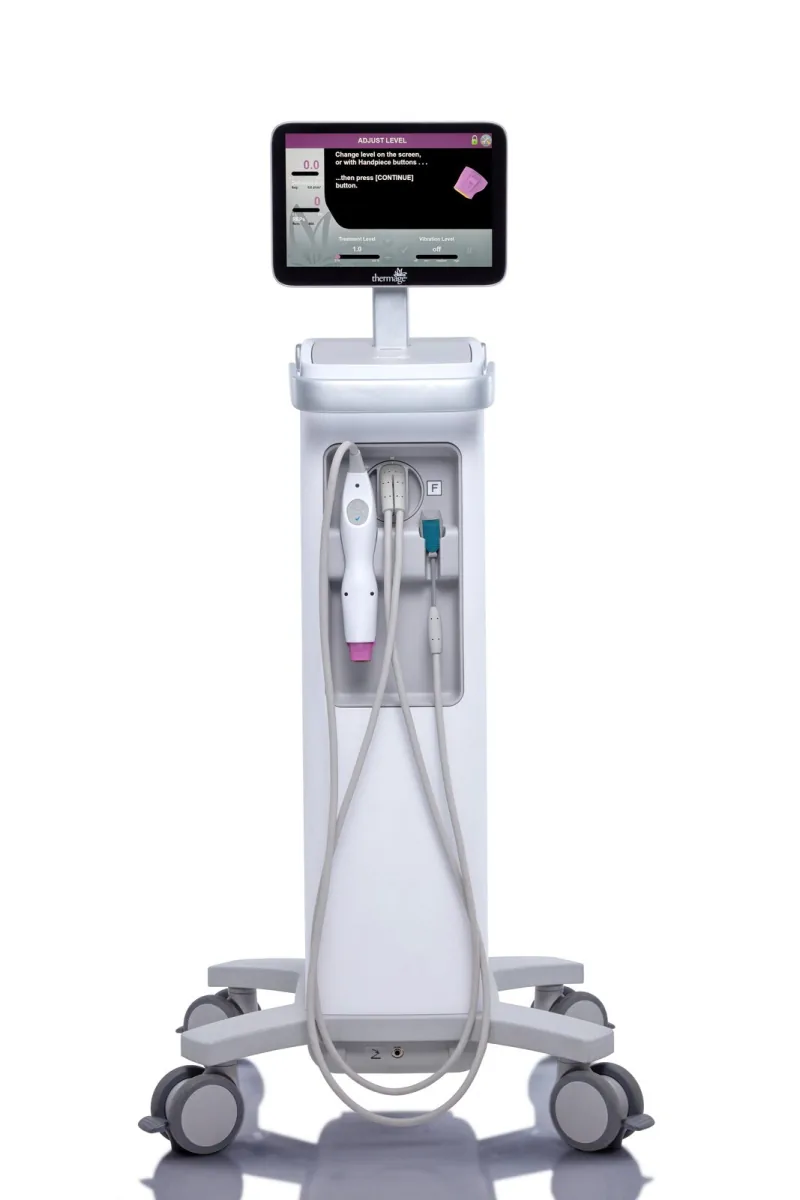
If the main complaint is crepey texture and loose pores rather than descent, energy-based tightening may be a better first step, and microneedle RF options in Seoul or planning Thermage around your flights explain those. And if what you really dislike is a flat or hollow forehead, threads are the wrong tool; what forehead filler can reshape is the closer question.
If the descent is real, skin thickness comes next. We do a 3D analysis before treatment, and thinner skin shows thread contours more readily, which changes how deep and in which direction threads should run.
The first swelling then happens in Seoul rather than on the plane, and you keep time to return if something feels wrong. The clinic is closed on Sundays, so with a Sunday flight your last chance to be seen is Saturday before 17:00.
What can go wrong with a thread lift, and what to do once you're home?
Most problems after a thread lift are small and temporary: swelling, bruising, soreness when you chew or yawn, a tight feeling and some surface puckering, which usually ease over the first one to two weeks. A 2021 meta-analysis of complications after facial threadlifting, discussed in Aesthetic Plastic Surgery, found most reported complications were minor, with dimpling and skin irregularities among the more frequent ones.
Less often, a thread can be felt or seen under the skin, the two sides heal unevenly, a thread end works its way out, or the area becomes infected. The American Society of Plastic Surgeons lists infection, visible sutures, asymmetry and puckering among the possible risks.
How long the lift holds and how quickly you heal differ with skin, age and habits.
Skip saunas for two weeks afterwards, which on a Seoul trip includes the jjimjilbang. Once you're home, mild swelling that improves day by day is expected.
Increasing pain, heat, spreading redness, pus or fever after you fly are signs of infection and need a doctor in person promptly. A dimple that hasn't softened by around two weeks, or a thread end you can feel poking, is worth a photo to the clinic that placed it and, if needed, a visit to a dermatologist near you.
If you've had filler or threads before, put the product and the rough date in your WhatsApp message along with one relaxed and one smiling photo, because old material changes how new threads should be planned.
Send a clear photo and your travel dates, and we will tell you what fits the time you have in Seoul.
Send a side-view photo on WhatsAppHow do you check a Korean clinic before booking threads?
Korean lifting thread reviews can tell you whether a clinic felt rushed. They can't tell you who held the needle or what went into the face, so ask directly:
- Who examines you and who places the threads. At WELLS, a dermatologist does both.
- Which threads, and whether they're approved. Ours are genuine, KFDA-approved threads; ask any clinic to name the product it uses.
- How you reach the clinic once you're home. Ask for the channel before you book.
Work done by non-specialists sometimes leaves marks that take longer to settle. If threads placed elsewhere left a dimple or a bump, show it to a dermatologist before adding more.
How long does a thread lift last?
Expect more than a year from our threads, which is longer than filler. The visible lift is strongest early, the collagen response builds over the following weeks, and then ageing carries on as before.
Strong sun, weight loss and sagging beyond what threads can hold all shorten the effect.
Where does a thread lift fit in a four-day Seoul trip?
WELLS is on the 8th floor of the Apgujeong Building, 842 Nonhyeon-ro, Gangnam-gu, about five minutes on foot from Apgujeong Station Exit 3 on Line 3. We're open weekdays 10:00 to 20:00 and Saturdays 10:00 to 17:00, with lunch from 13:00 to 14:00, and closed on Sundays and public holidays.
Placing threads takes 20 to 60 minutes, so the appointment won't eat a whole day. What uses your time is the stretch afterwards: plan quiet evenings, soft food if chewing pulls, and save the photo-heavy sightseeing for later in the trip.
If you're also thinking about InMode or another lifting device, ask about order and spacing in your first message rather than stacking everything into one afternoon.
Before you book, send two daylight photos, front and three-quarter view, with your arrival and departure dates on WhatsApp, and ask one thing: if the threads go in on my first day, how will my face look on the flight home? Deposit and payment are settled after the consultation, so add those questions to the same message. In Seoul, the exam measures your skin thickness and how far the tissue has dropped, because those two set the length, direction and depth of every thread.
Plan your visit before you fly
Send a daylight photo, your travel dates and what you have tried before. A dermatologist will suggest where to start and what fits your stay.
Send a side-view photo on WhatsAppReplies on WhatsApp · prices in KRW, excluding 10% VATBefore you message us
Does a thread lift hurt?
Soreness when chewing or yawning is common for several days and usually eases within the first week or two.
Can I fly home the day after a thread lift?
The threads themselves don't usually stop you flying, but a long seated flight can make swelling feel worse, and you lose the chance to be checked in Seoul. On a short trip, leaving a day or two between the threads and your flight is the safer plan.
Is a thread lift the same as InMode or Thermage?
No, they do different jobs. Some faces need one of these, some a combination, and the dermatologist's exam is what separates them.
Results and recovery vary by individual. Every treatment carries possible side effects, which are explained at the consultation. Prices are in Korean won, excluding 10% VAT, and confirmed at your consultation. This article is general information from the clinic, not a diagnosis.
Dr. Won Woo Choi
- Board-certified dermatologist in Korea; trained at Seoul National University Hospital
- Dermatology residency, Seoul National University Hospital; board certification in dermatology in Korea
- Ph.D. in Dermatology, Seoul National University
- Former clinical instructor, Seoul National University Hospital
- Adjunct professor, Department of Dermatology, Seoul National University Hospital