Lip Filler How Long Until Swelling Goes Down? Cost, Reviews, Methods and Your Days in Seoul
Most lip filler swelling settles within 24 to 48 hours and can linger up to a week; bruising usually fades in about a week. On a Seoul trip, inject early in your stay, not the day before you fly.


Lip filler how long until swelling goes down, day by day
Worried your lips will still look puffy in every photo, and on the flight home, so you keep asking “lip filler how long until swelling goes down” before you book anything in Seoul?
Read this before you fix the day you inject.
By the end you'll know what decides the cost, which common review claims hold up, which methods tend to swell less, and how the swelling usually runs day by day. That lets you pick an injection day that fits your trip and your budget.
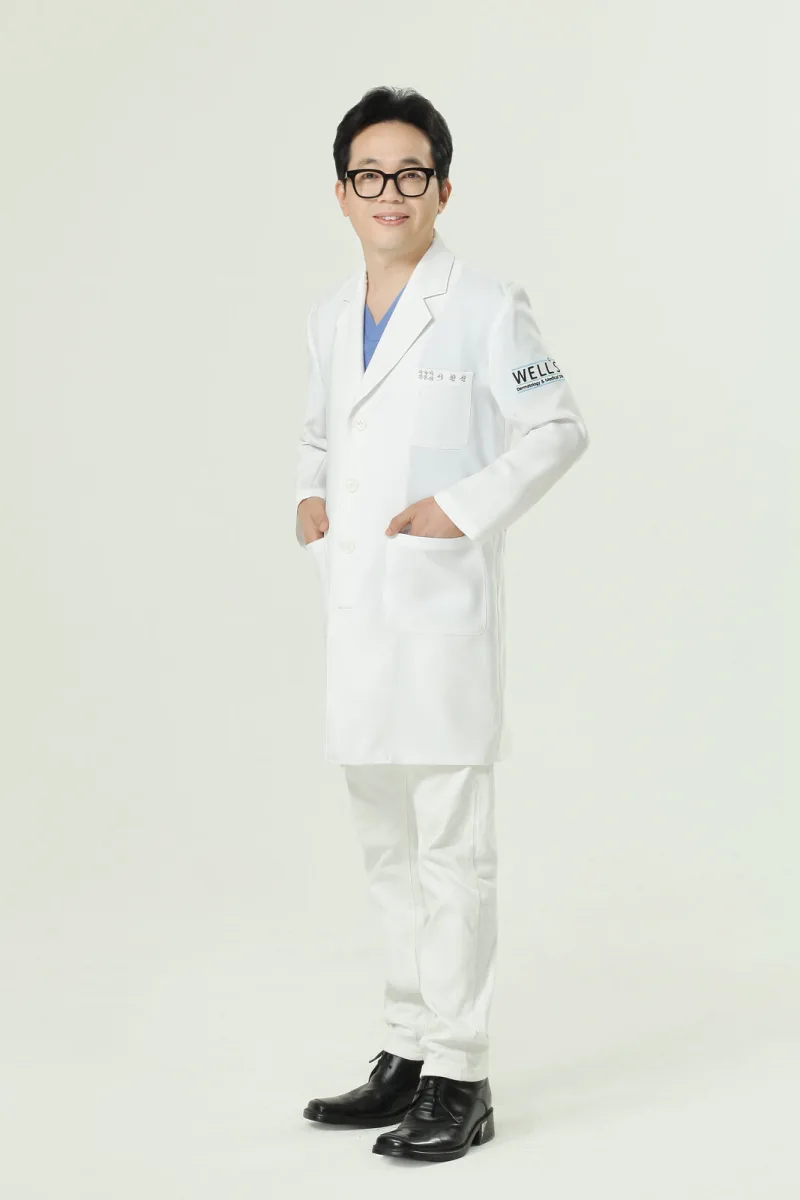
Hello, I'm Dr. Won Woo Choi, Medical Director at WELLS Clinic in Apgujeong, Seoul. I'm a board-certified dermatologist, trained and certified at Seoul National University Hospital.
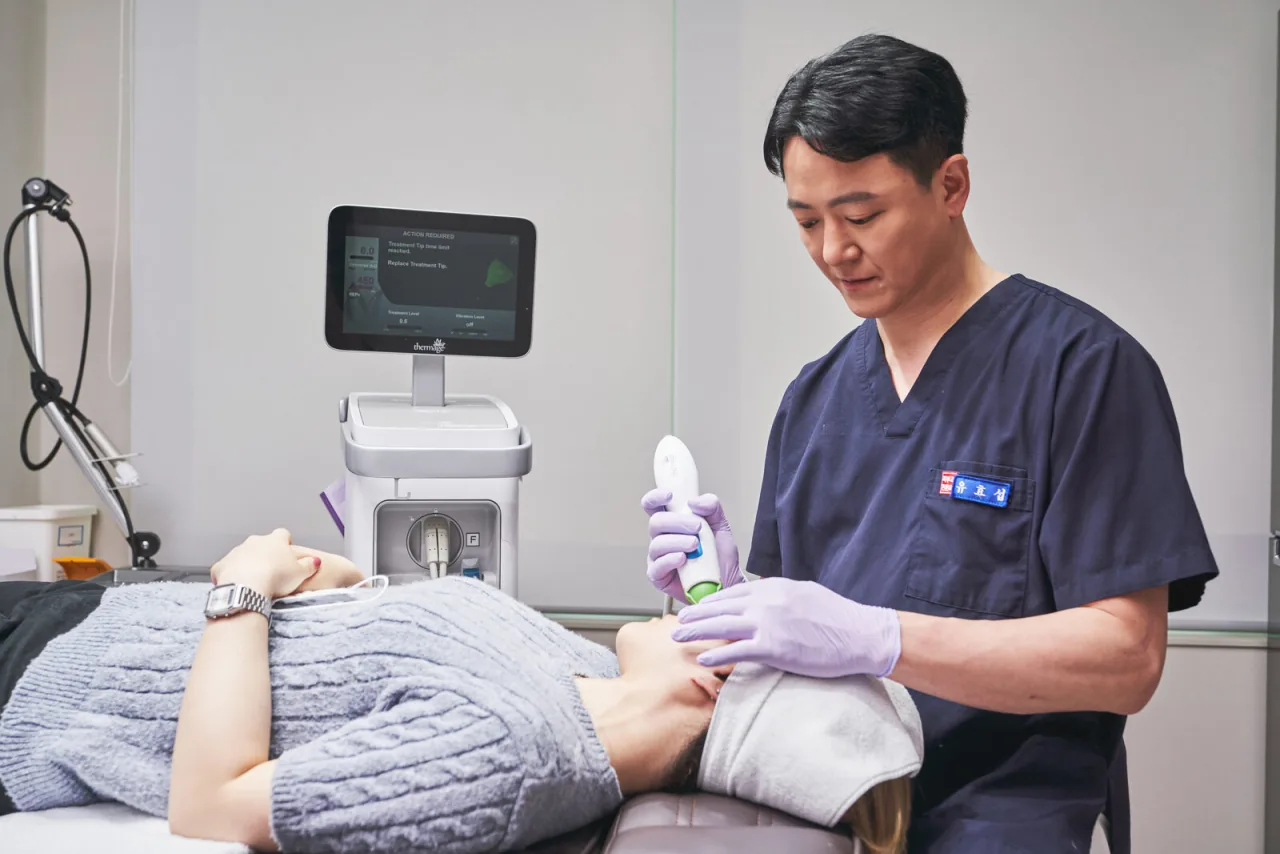
At WELLS, dermatologists consult and inject themselves. For filler we use a cannula where possible, and we confirm the product and amount with you before treatment. Consultations at the clinic are in English, and so are replies on WhatsApp.
I'm writing this because a common planning mistake is booking lips for the last afternoon of a trip, when the swelling has no time to settle.
Most lip filler swelling settles within 24 to 48 hours, and some can linger for up to a week. Bruising usually fades within about a week, occasionally two, so inject early in your stay, not the day before your flight.
If your dates are already fixed, send them on WhatsApp with one front-on photo of your lips in daylight, and ask whether your trip leaves enough days for the swelling to settle.
Send a clear photo and your travel dates, and we will tell you what fits the time you have in Seoul.
Send your dates and a lip photo on WhatsAppLips swell more than cheeks or a chin. They move all day, they carry a dense network of small blood vessels, and hyaluronic acid filler holds water. Every pass of a needle or cannula also triggers a short inflammatory reaction in the tissue.
Here is how the first two weeks usually look, and what each stretch means for a traveler.
| When | What's usual | For your trip |
|---|---|---|
| First few hours | Numbness wears off; lips look fuller than the final result; mild tenderness | A quiet dinner is fine; skip a late night out |
| Days 1–2 | Swelling at its most visible, often a little uneven, then easing | Don't schedule photos or meetings |
| Days 3–7 | Most swelling gone; any bruise turning yellow and fading | To strangers, most lips look ordinary by now |
| Days 7–14 | Slow bruises clear; the filler settles into the tissue | The point to judge shape and symmetry |
Bruising and swelling are separate problems. Swelling is fluid and inflammation; a bruise is blood under the skin where an instrument nicked a small vessel. A bruise usually fades within about a week, but a slow one can take up to two, and concealer covers it better than anything covers swelling.

Why some lips stay puffy longer than others
The 24 to 48 hours is a typical figure, not a promise. A handful of things push it longer.
The amount matters most. More filler in one session means more tissue stretched and more passes, so more swelling. A first-ever lip treatment often swells more than a top-up, because the tissue hasn't been stretched before.
Bruising tendency is the second factor. Aspirin, fish oil, vitamin E and some herbal supplements make bruising more likely, and a review in the Journal of Clinical and Aesthetic Dermatology on minimizing bruising after fillers discusses pausing non-essential ones beforehand. Never stop a prescribed blood thinner without the doctor who prescribed it.
Old filler is the third. Filler already in the lip, especially filler placed somewhere you can't name, changes how new product spreads and how the tissue reacts. Filler that drifts is easiest to spot where skin is thin, which is why the questions in how under eye filler migration is assessed apply to lips too.
Salty food, alcohol, a hot sauna and hard exercise in the first day add fluid to tissue that is already swollen. None of them is dangerous; they just stretch the timeline.
Which lip filler method tends to swell less?
Three choices shape the swelling: the instrument, the product and the amount.
A blunt cannula slides between tissue layers and usually needs fewer entry points than a sharp needle. Fewer punctures often means less bruising, which is why we use a cannula where possible. A needle still has a place for precise work along the lip border, so the method depends on what you want changed.
Softer hyaluronic acid products spread more easily in a mobile lip; firmer ones hold a defined shape. The American Society of Plastic Surgeons outlines the types of dermal fillers if you want to read about the families before your consultation.
The amount is where a short trip should make you conservative. Too much volume in one session is also how faces end up looking overfilled, the same logic I lay out in how we plan cheeks to avoid bad cheek fillers.
Sometimes the lips are not the right place to add anything. If what bothers you is your profile, a small change at the chin can shift how the lips sit, which I explain in how a dermatologist plans chin filler. If it's fine lines or crepey skin around the mouth, that is a skin-quality question; what Juvelook fills and what it doesn't explains the difference between volume and texture.
What do reviews get right about lip filler swelling?
Most threads asking “lip filler how long until swelling goes down” repeat the same four claims.
“Day two looks the worst.” Mostly true. Swelling often peaks within the first day or two and then eases quickly.
“My lips shrank to half by week two, so the filler dissolved.” Usually not. What went down was the swelling, not the filler. Judging size on day one is why some people feel let down later, and why others rush to add more too soon.
“Lumps mean it was done badly.” Early lumpiness is usually uneven swelling or fluid and often smooths out within days. A firm lump that is still there after two weeks deserves a check by the injecting doctor.
“Ice and arnica stop swelling.” Cold compresses wrapped in cloth, used briefly on the first day, do help. The evidence for arnica is mixed, so don't count on it to rescue a tight schedule.
How many days should you plan in Seoul around lip filler?
Say you land on a Tuesday evening and fly home the following Monday. I'd suggest coming in Wednesday. Thursday and Friday are your puffiest days, so plan museums rather than dinners with friends. By the weekend most swelling has gone, and on Monday any leftover bruise is usually faint enough to cover.
Now say your flight is Saturday instead. Wednesday is still the day. Treating Friday afternoon would put your most swollen hours in an airplane seat and leave no time to be seen again before you leave.
Build the plan around our hours: Monday to Friday 10:00 to 20:00, Saturday 10:00 to 17:00, a lunch break from 13:00 to 14:00, and closed on Sundays and Korean public holidays. Check the holiday calendar for your dates before you book. The clinic is a five-minute walk from Exit 3 of Apgujeong Station on Line 3.
The CDC's advice on medical tourism includes taking copies of your records home. For filler, that means the product name and the amount, which any doctor at home will want to know.
With that plan in mind, send your arrival and departure dates plus a side-profile photo of your lips in daylight on WhatsApp, and ask which day in that window to book.
Send a clear photo and your travel dates, and we will tell you what fits the time you have in Seoul.
Send your dates and a lip photo on WhatsApp
What decides the cost of lip filler in Seoul?
The figure for your lips depends on a few concrete things:
- How much filler your lips need, which follows from your starting volume and how much change you want.
- Which product: softer or firmer hyaluronic acid, chosen for the area and the shape.
- Existing filler that has to be assessed first.
- Other areas or injections treated in the same visit.
- Days in Seoul, if your plan calls for a second visit before you fly.
Prices at WELLS are listed in Korean won and exclude VAT. The dermatologist confirms your plan and the final price at the consultation, before anything starts. To get a sense of your own case, ask on WhatsApp what it would cost for your lips, with a photo attached.
Risks and side effects to know
Swelling, bruising, tenderness and mild unevenness in the first days are expected, and they usually settle within the timeline above. How long yours takes varies from person to person.
Some people should wait or skip lip filler for now:
- an active cold sore or any infection around the mouth (lip injections can trigger a cold sore in people who get them, so mention your history)
- pregnancy or breastfeeding
- a known allergy to lidocaine or to an ingredient in the filler
- blood-thinning medication that you can't safely pause
The rare but serious risk is filler entering a blood vessel. The U.S. Food and Drug Administration lists this among dermal filler risks because it can damage the skin it blocks. Warning signs are pain that gets worse instead of better, and white, dusky or blotchy patches on the lip or nearby skin. That is an emergency, not something to watch overnight.
If anything like that appears after you fly home, see a local emergency department or dermatologist the same day and show them the product name and amount. Then message us on WhatsApp with photos so we know what's happening. Whether filler suits your lips at all is decided at the in-person exam, which is one more reason to leave days after it, not hours.
If you're still weighing it, one photo of your lips in daylight is enough to start, and you can ask before booking anything. Message on WhatsApp with your concern and your dates, and you'll get a suggested plan and appointment time before you travel. When you come in, I examine your lips and recommend the amount and method that fit your face and your flight.
Plan your visit before you fly
Send a daylight photo, your travel dates and what you have tried before. A dermatologist will suggest where to start and what fits your stay.
Send your dates and a lip photo on WhatsAppReplies on WhatsApp · prices in KRW, excluding 10% VATBefore you message us
Can I fly the day after lip filler?
Flying itself is not a known cause of filler problems, but your lips are usually at their most swollen in the first day or two, and you'd be far away if something needed checking. Leaving a few days between treatment and departure is the safer plan.
Is it normal for one side of my lip to swell more?
Yes, uneven swelling in the first days is common. Lips are often judged for symmetry only once the swelling and any bruising have cleared, usually around two weeks.
Should I ice my lips after filler?
Short sessions with a cold compress wrapped in cloth during the first day can ease swelling. Avoid putting ice straight on the skin and avoid pressing or massaging the lips unless your doctor tells you to.
When should lip swelling worry me?
Pain that grows instead of fading, white or dusky patches, spreading redness, warmth or fever are not normal swelling. Get seen the same day by a doctor, wherever you are.
Can I drink alcohol or exercise after lip filler?
Many dermatologists suggest skipping alcohol, saunas and hard exercise for about the first day, because they can add swelling and bruising. Light walking is fine.
Results and recovery vary by individual. Every treatment carries possible side effects, which are explained at the consultation. Prices are in Korean won, excluding 10% VAT, and confirmed at your consultation. This article is general information from the clinic, not a diagnosis.
Dr. Won Woo Choi
- Board-certified dermatologist in Korea; trained at Seoul National University Hospital
- Dermatology residency, Seoul National University Hospital; board certification in dermatology in Korea
- Ph.D. in Dermatology, Seoul National University
- Former clinical instructor, Seoul National University Hospital
- Adjunct professor, Department of Dermatology, Seoul National University Hospital