Is Korean Beauty Acne Treatment Right for Adult Acne? Cost, Reviews and Methods
In Seoul, Korean beauty acne treatment means a dermatologist's diagnosis first, then clinic methods such as Gold PTT, Blue PDT, 1450 nm acne toning or peels, with home care that supports them.

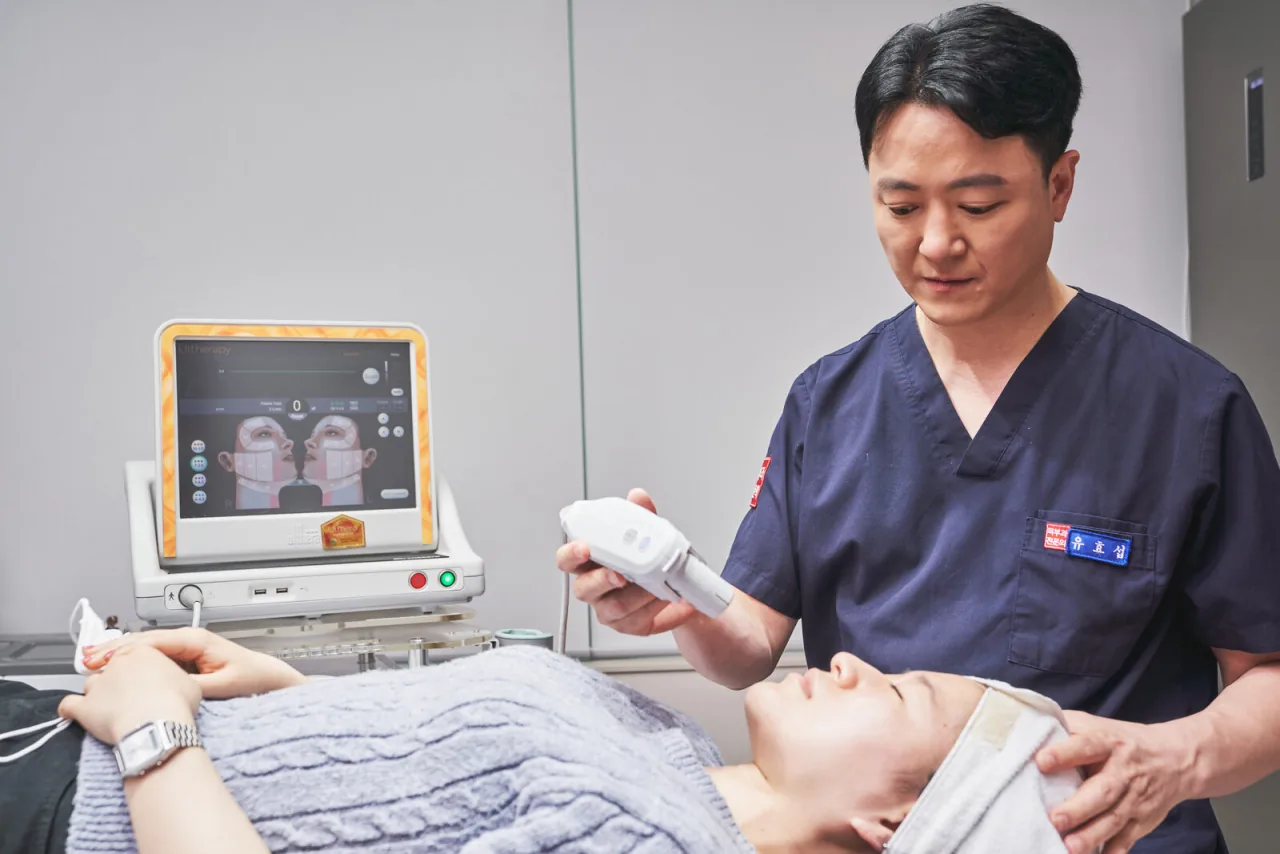
What does Korean beauty acne treatment mean in a clinic?
Is a Korean beauty acne treatment worth building a Seoul trip around when your breakouts started in your forties and nothing from the serum aisle has touched them?
Read this before you fill a suitcase with toners.
You'll learn which clinic methods treat acne and how each one works, what reviews of K-beauty routines get right and wrong, what decides the cost, and how to care for your skin once you're home. That should tell you whether a trip makes sense for your skin and your budget.
Hello, I'm Dr. Won Woo Choi, Medical Director (M.D., Ph.D.) at WELLS Clinic in Seoul.
I'm a board-certified dermatologist who completed residency and board certification at Seoul National University Hospital, where I'm an adjunct professor. At WELLS, a dermatologist does both the consultation and the treatment, and the clinic has been in Apgujeong since 2008.
I wrote this because adult acne often gets handled as a product problem for a year or two when what it needed first was a diagnosis.
Korean skincare products help keep skin in working order. Clinic treatment in Seoul goes after the acne itself, with Gold PTT, Blue PDT, 1450 nm acne toning or medical peels chosen by the type of acne you have.
If yours sits along the jaw and chin, send a daylight photo of that area on WhatsApp with your travel dates, and ask which of these methods fits that pattern.
Send a clear photo and your travel dates, and we will tell you what fits the time you have in Seoul.
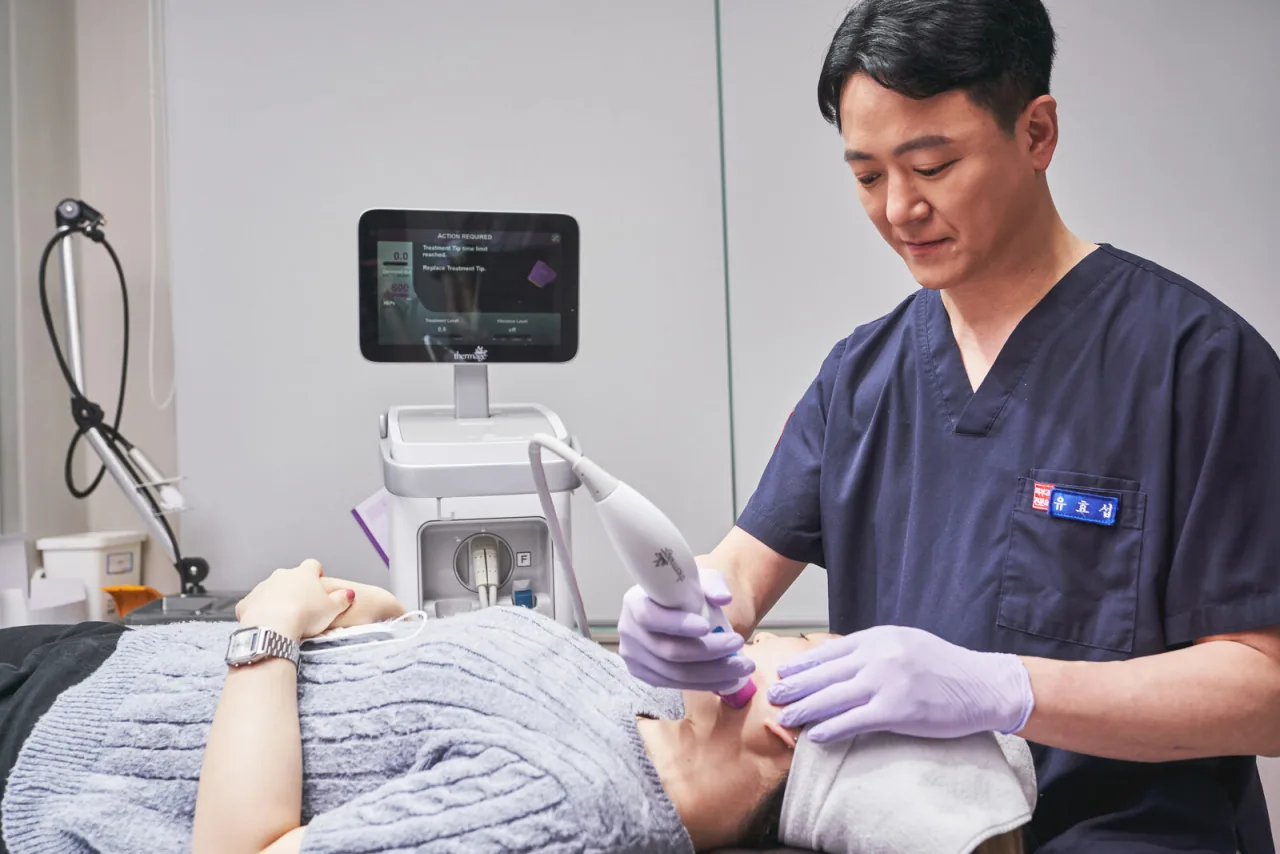
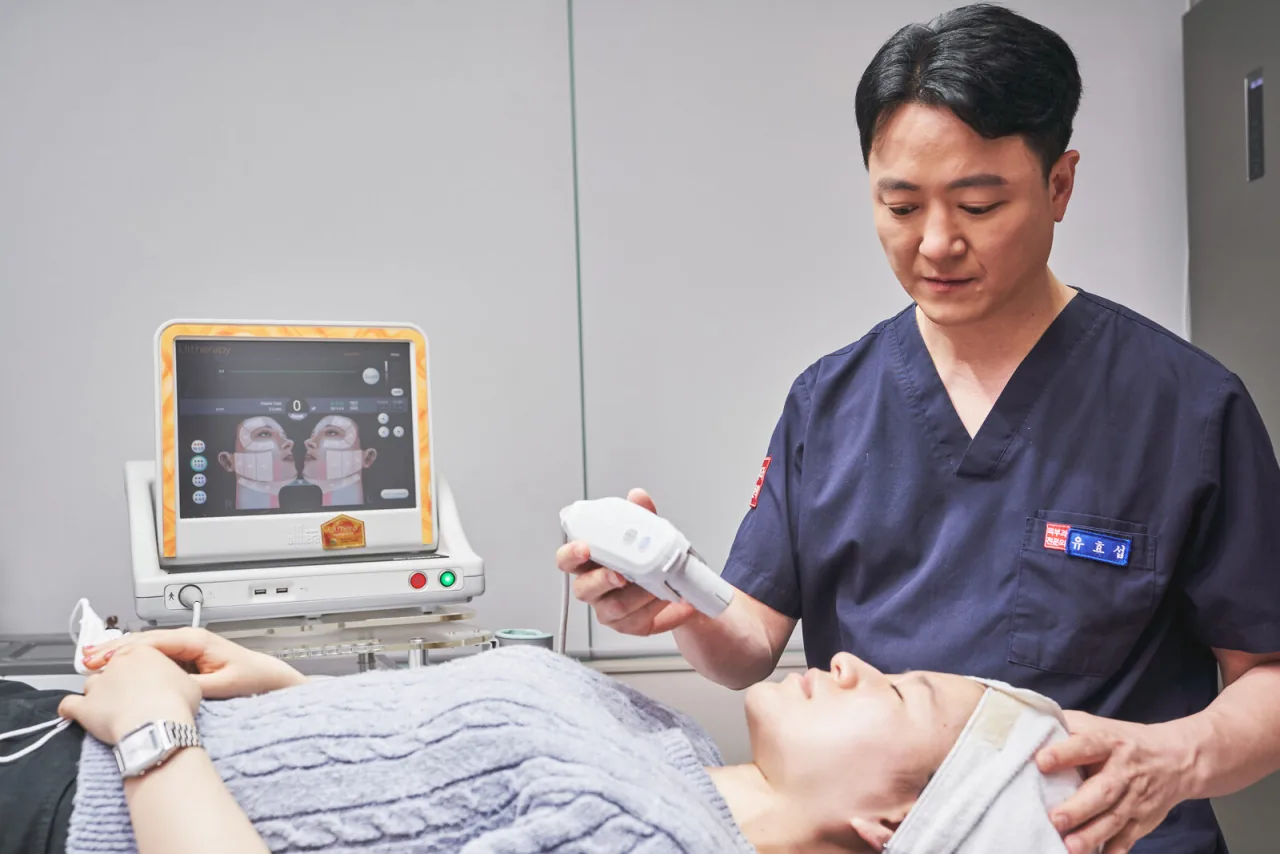
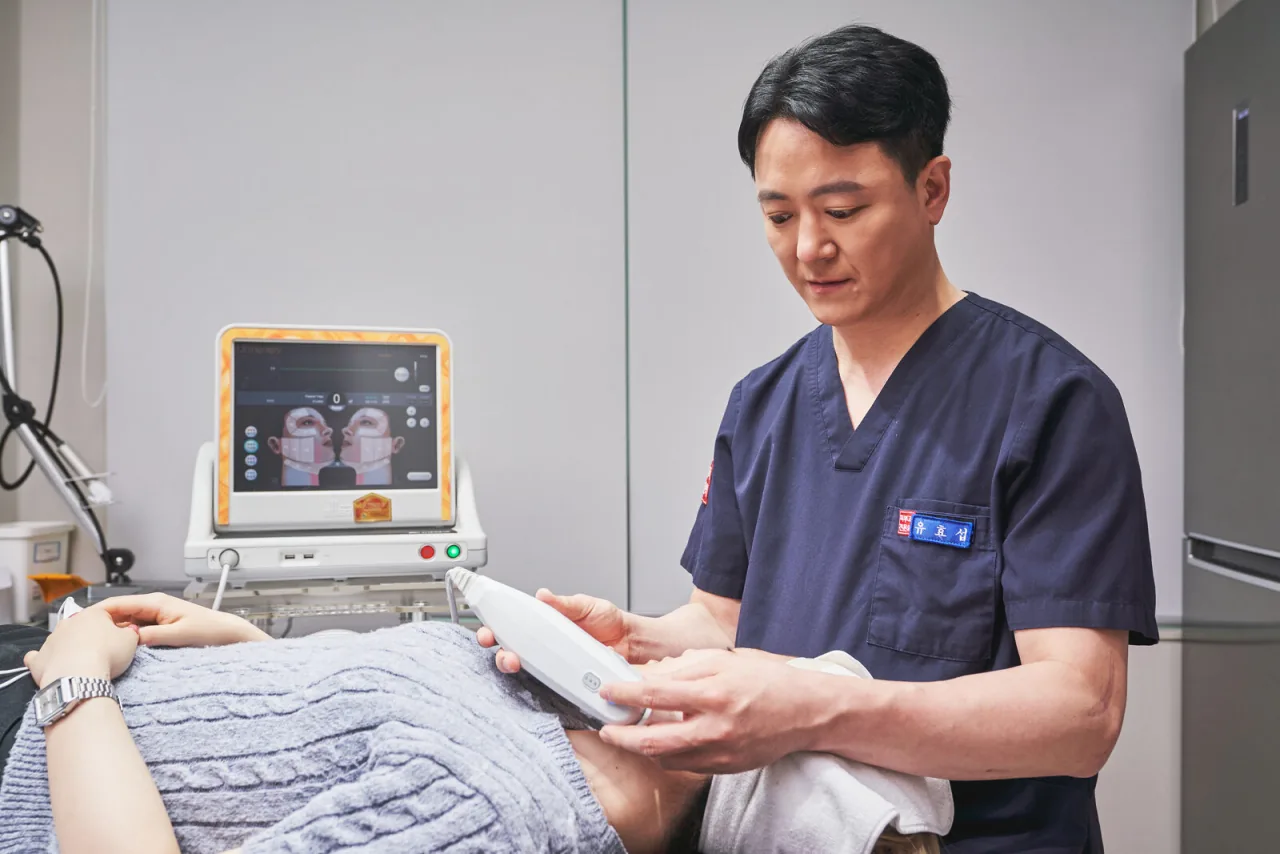
Send a photo of your breakouts on WhatsAppOnline, the phrase covers anything from a centella toner to a laser session. In a Seoul dermatology clinic it is narrower: find out what kind of acne you have, treat that, and keep home care short enough that it doesn't work against the treatment.
The home layer is where most K-beauty products live: low-pH cleansers, light moisturizers, sunscreen. The American Academy of Dermatology's advice for acne-prone skin points the same way: wash with your fingertips rather than a scrub, leave spots alone instead of picking, and choose products that won't clog pores. What no cleanser or serum can do is quiet an overactive oil gland or reach inflammation that sits deep in the skin.
Acne that looks alike on the surface can have different causes and stages, and the diagnosis decides the treatment. Tender bumps along the jaw at 45 and blackheads across the nose at 20 are different problems, even if both get called breakouts. For a wider look at where products stop and clinic work starts, I've compared skincare and clinic treatment for Korean acne care.
Methods: what each clinic treatment does to a breakout
Four methods cover most active acne at WELLS. They aim at different parts of the problem, which is why the choice follows the diagnosis.
| Method | What it does | What it means for a trip |
|---|---|---|
| Gold PTT | A gold nanoparticle ampoule goes on the skin, then a laser activates it to shut down the oil gland | Weekly, 3–5 sessions, with little disruption to daily life |
| Blue PDT | Blue light used without a photosensitizer, so dark marks afterwards are unlikely | You can go out straight afterwards |
| 1450 nm acne toning | Heats the oil gland, with little pain | Ask how many sessions your skin needs |
| Aladdin or FCR peel | Clears dead skin cells and stimulates collagen | Also used for back and chest acne |
Gold PTT and 1450 nm toning both target the oil gland, which suits oily skin with repeated inflamed spots. Blue PDT is worth a look if you tan easily or already carry dark marks from old spots, because skin that marks easily is the skin I least want to irritate. Peels help when clogged pores and rough texture sit alongside the spots. WELLS has ten years of clinical data with the 1450 nm laser.
Medicine is often part of the plan as well. For many adults a dermatologist weighs prescription creams or tablets, and for women whose breakouts follow the menstrual cycle, the AAD describes hormonal therapy as an option. Those decisions need a doctor who can follow you over months, which matters when you live abroad.
If the marks bother you more than the spots, that calls for a separate plan with different tools, such as Fractional Picosecond Laser and Juvelook. I've written about planning acne scar treatment around a trip to Seoul and about how Juvelook fills depressed acne scars. The order of steps, active acne first and scars after, is laid out in what works for acne in Seoul, and in what order.
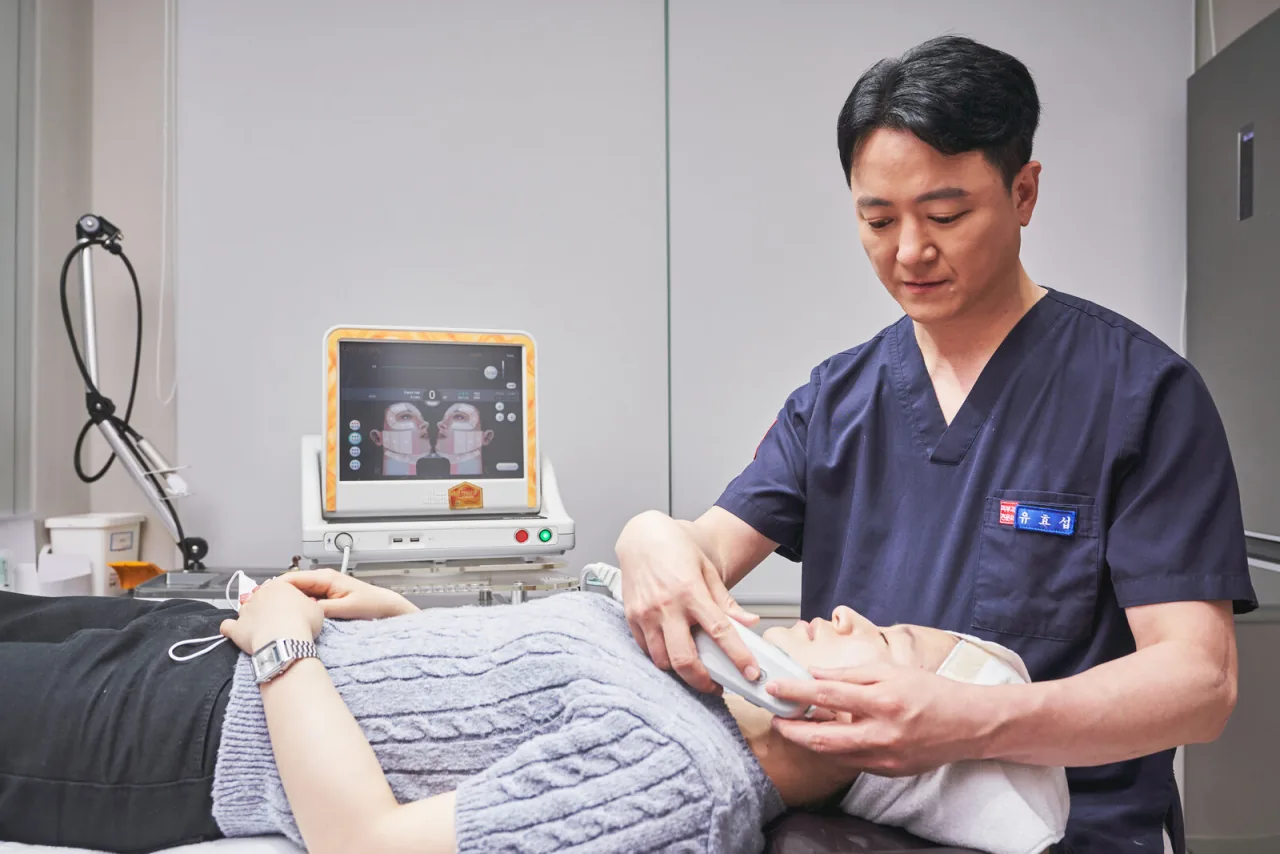
Who does it suit, and who should start with a doctor at home?
In short, it suits adults whose acne keeps coming back despite a sensible skincare routine and who can give it more than one visit, or who will continue with a dermatologist at home. It suits less well if you hope one session will clear everything, because most acne treatments work as a course.
Say you're 48, you live in Toronto, and for the past year deep, sore bumps keep appearing along your jaw, though you never had acne as a teenager. You have eight days in Seoul with family. Gold PTT runs weekly for 3–5 sessions, so eight days covers the start of a course at most. I'd look at what one or two visits can begin, such as Blue PDT, after which you can go straight out to dinner, and what has to carry on at home with a dermatologist who can see you every month.
In that same example, new jawline acne in your late forties is also a reason for a check at home. The AAD notes that adult acne can come from hormones, medication, hair and skin products, or sometimes a medical condition that hasn't been diagnosed. If you also notice irregular periods, new hair on the face or thinning hair on the scalp, see your own doctor first.
For planning the days: WELLS is a five-minute walk from Apgujeong Station Exit 3 (Line 3). We're open 10:00–20:00 on weekdays and 10:00–17:00 on Saturdays, with lunch from 13:00 to 14:00, and closed on Sundays and holidays.
If you're unsure whether your days are enough, add a side-view photo of your jaw in daylight and a list of what you use now, products and prescriptions, and ask whether your dates are enough to begin a course.
Send a clear photo and your travel dates, and we will tell you what fits the time you have in Seoul.
Send a photo of your breakouts on WhatsAppWhat do reviews of K-beauty acne routines get right and wrong?
Three claims come up again and again in reviews and forum threads about Korean beauty for acne.
"A shorter routine settled my skin." Largely true. Over-washing and scrubbing irritate acne-prone skin, and fewer products mean fewer chances of a reaction.
"This one essence cleared my acne." Usually overstated. Soothing ingredients can make skin feel better, but inflammatory acne that returns month after month rarely clears with a cosmetic alone, and that is the point where a dermatologist's assessment helps.
"One laser session in Seoul fixed it." That is not how acne usually behaves. The methods above run as courses, and acne can come back when hormones or habits stay the same. Glass skin is a look, not a diagnosis; if enlarged pores are the real concern, Fractional Picosecond Laser works inside the dermis to help reduce how they look.
What decides the cost of acne treatment in Seoul?
The first factor is the method: a light treatment, a laser, a peel, or a combination of them. The second is the number of sessions, since Gold PTT, for example, is planned weekly for 3–5 sessions.
Area matters too, face only or back and chest as well. Treating scars on the same trip adds a separate plan. Your days in Korea set how many sessions fit, which in turn shapes the total.
To get a figure for your own skin, ask on WhatsApp what it would cost for your case, with a photo and a note of which areas you want treated.
Risks and side effects to know
The common reactions are temporary: redness, stinging, dryness or light flaking after peels and lasers, usually settling within days. After Fractional Picosecond Laser, any redness usually clears in 3–4 days. The reaction to watch on darker or easily tanned skin is post-inflammatory hyperpigmentation, dark patches that DermNet notes are more common in skin of color and can take months to fade; sun exposure makes them worse.
As general medicine, you may need to wait or skip a procedure if you have an infection or cold sore at the treatment site, took isotretinoin (an oral acne medicine) recently, are pregnant or breastfeeding, had a laser, peel or sunburn in the past few weeks, or are allergic to an ingredient in a peel. Whether any of these apply to you is checked when a dermatologist examines your skin, and results differ from person to person.
If redness spreads, pain grows, pus or blisters appear, or dark patches show up after you fly home, see a dermatologist near you. Bring the name of each treatment you had and the dates, so they know exactly what your skin went through.
Looking after your skin once you're home
For the first week, keep it short: a non-abrasive cleanser, a light moisturizer, and broad-spectrum sunscreen every morning, plus a hat outdoors. Leave spots alone, however tempting. Before you leave Seoul, ask when you can restart retinoids, acids or scrubs, and hold them until then.
The K-beauty haul can wait. Add one new product at a time, a week or two apart, so if your skin reacts you know which one did it.
If your plan includes more sessions, decide early whether that means a return trip or a dermatologist at home. A photo of your skin once a week, in the same window light, makes it easier to see the trend and to show whoever treats you next.
When you're ready, send one photo of your skin as it looks today on WhatsApp, with the one question you most want answered, such as which method fits your skin type. You can ask before booking anything. When you come to Apgujeong, a dermatologist examines your skin and recommends the treatment that fits the acne you have.
Plan your visit before you fly
Send a daylight photo, your travel dates and what you have tried before. A dermatologist will suggest where to start and what fits your stay.
Send a photo of your breakouts on WhatsAppReplies on WhatsApp · prices in KRW, excluding 10% VATBefore you message us
How many sessions does a Korean beauty acne treatment need?
Gold PTT is planned as weekly sessions, 3–5 in total. For 1450 nm acne toning and peels, the number is set by how your skin responds, so ask at consultation. Acne can return if its cause stays the same, so home care and, where needed, a dermatologist at home carry the result forward.
Can I go sightseeing straight after acne treatment in Seoul?
After Blue PDT you can go out straight afterwards, and Gold PTT causes little disruption to daily life. Wear broad-spectrum sunscreen and a hat outdoors, because sun on freshly treated skin raises the chance of dark marks.
Should I stop my acne medication before the trip?
Don't stop a prescription on your own. Bring a list of everything you use, including creams and tablets, and tell the dermatologist if you have taken isotretinoin, since it affects whether peels and lasers are suitable.
Is the price confirmed before I'm treated?
Photos help suggest options and timing, but the plan and price are confirmed only after the dermatologist examines you in Seoul.
What should I send before booking?
Front and both side views of your face in daylight, without makeup or filters, plus close-ups of the acne; your travel dates; previous treatments with the date; and any medications, allergies and skin conditions. Send them on WhatsApp.
Results and recovery vary by individual. Every treatment carries possible side effects, which are explained at the consultation. Prices are in Korean won, excluding 10% VAT, and confirmed at your consultation. This article is general information from the clinic, not a diagnosis.
Dr. Won Woo Choi
- Board-certified dermatologist in Korea; trained at Seoul National University Hospital
- Dermatology residency, Seoul National University Hospital; board certification in dermatology in Korea
- Ph.D. in Dermatology, Seoul National University
- Former clinical instructor, Seoul National University Hospital
- Adjunct professor, Department of Dermatology, Seoul National University Hospital