Neuramis Filler Korea: Is It Right for You? Price, Reviews and Methods
Neuramis is a hyaluronic acid filler made in Korea by Medytox. The injection takes one sitting, but bruising and swelling can take 7 to 14 days to settle, so plan the trip around that.

What is Neuramis, and how does it compare with other HA fillers?
Wondering whether a neuramis filler Korea trip is worth it when you only have a few days, and whether you'll still be bruised when you fly home?
It's worth reading to the end before you book anything.
After this post you'll know what Neuramis is, what a filler plan costs in terms of factors rather than a headline figure, what online reviews claim versus what is medically true, and which methods lower the risk, so you can decide if it fits your trip.
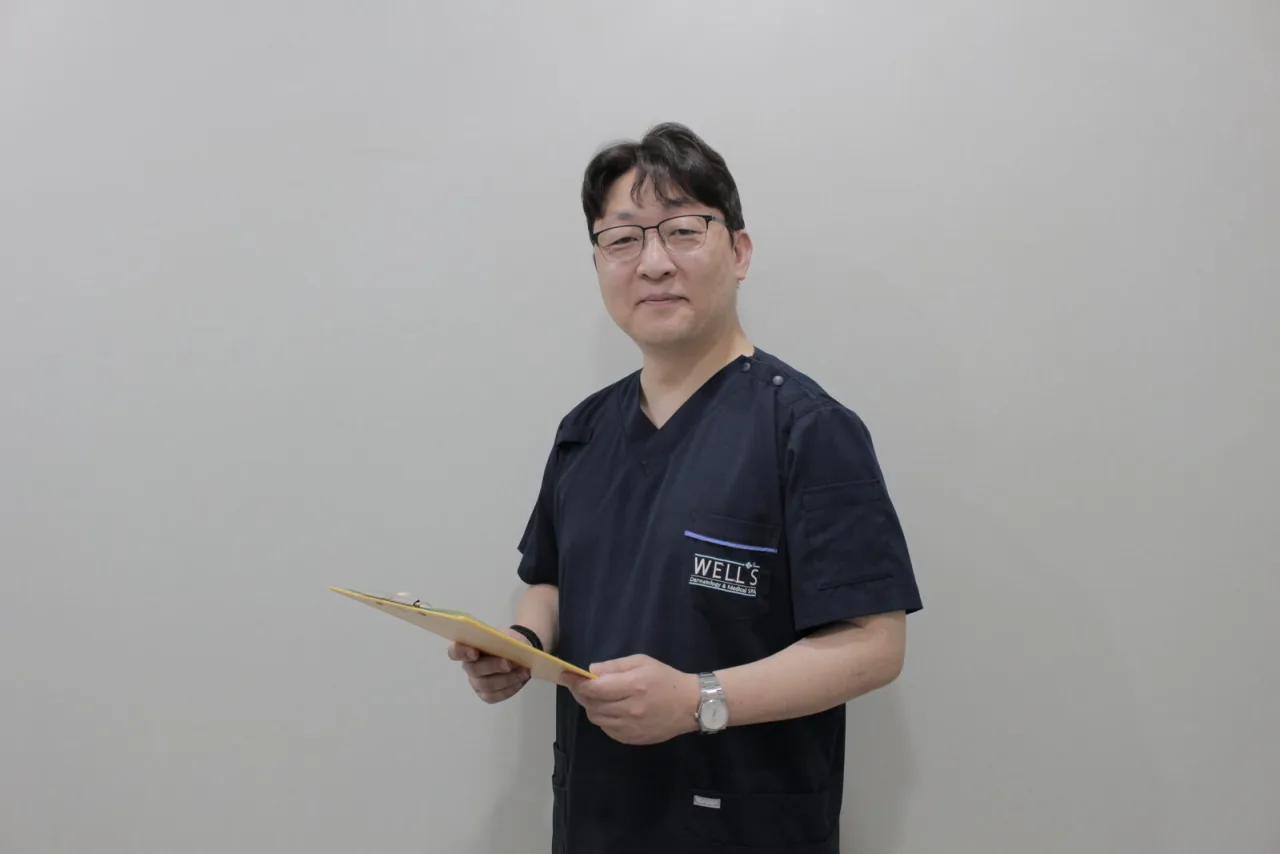
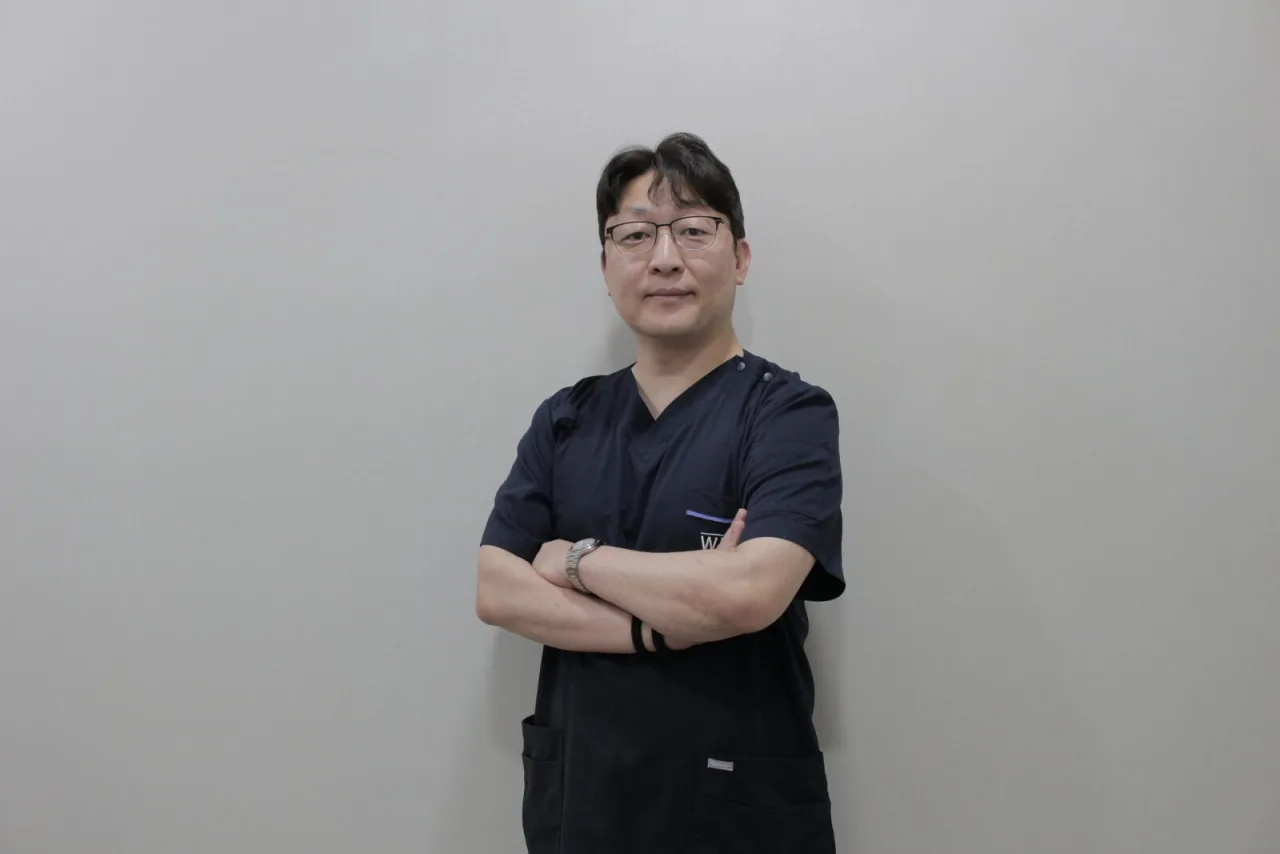
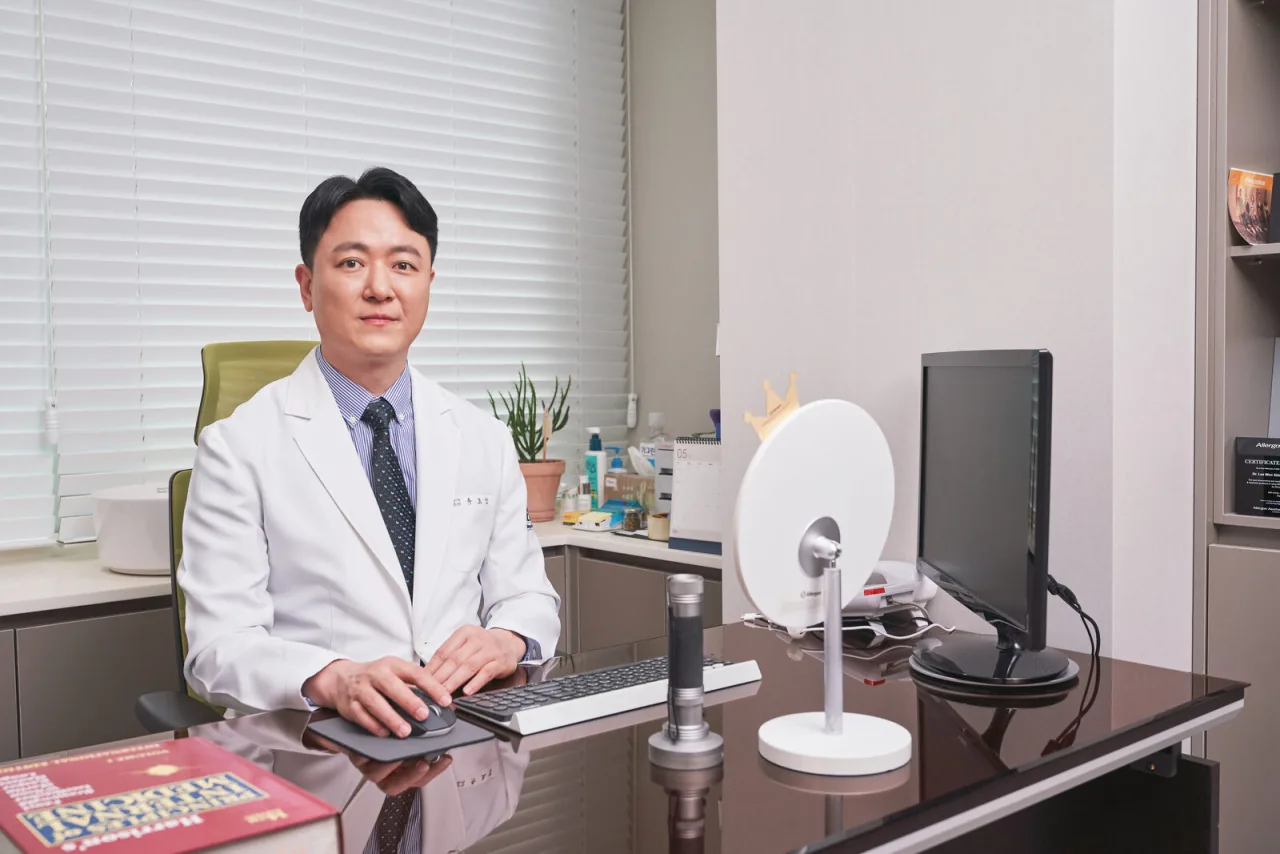
Hello, I'm Dr. Won Woo Choi, Medical Director · M.D., Ph.D.
At WELLS in Apgujeong, Seoul, a dermatologist does both your consultation and your injection. We measure the filler amount, analyse your face in 3D before treatment, and use a cannula where possible because it lowers the risk of damaging a blood vessel compared with a standard needle.
I wrote this because many people choose by brand name and only later learn that placement and recovery time matter more.
The short answer: Neuramis is a Korean hyaluronic acid gel, and bruising or swelling can take 7 to 14 days to settle, so plan your dates around that.
Send a clear photo and your travel dates, and we will tell you what fits the time you have in Seoul.
Send your photos and flight dates on WhatsApp
Neuramis is a cross-linked hyaluronic acid gel. Your skin already makes hyaluronic acid. In filler form, the molecules are linked into a gel so it holds water and volume in one place for months rather than days. That puts Neuramis in the same family as the HA fillers made in Europe and the US.
Brands within that family differ mainly in three ways: how firm the gel is, how much it spreads after injection, and whether a local anesthetic (lidocaine) is mixed in. The Neuramis line comes in several grades. The names you'll see online, such as Light, Deep and Volume, describe that firmness and how deep the gel is meant to sit. A softer gel is meant for fine lines. A firmer one is meant to hold shape over bone.
HA gels have one practical advantage for travelers. If there's a problem, an enzyme called hyaluronidase can usually break them down. Biostimulators work differently: they build volume gradually and can't be dissolved the same way. There's a separate guide to how Sculptra builds volume over several sessions if that's the kind of change you want.
Both Korea and the US regulate fillers as medical devices. The US Food and Drug Administration approves specific filler products for specific uses and areas, and that's a good reason to ask which product is going into which area.
Neuramis Deep, nose filler and temple filler in the online threads
Forum threads often treat "Neuramis Deep" as one answer for every area. It's a grade meant for deeper placement. Whether it fits you comes down to the area and the tissue there. Nose and temple come up in the same threads, so here is how they relate to what we offer.
The areas on our filler menu are the forehead, under-eyes, nasolabial folds, cheeks and chin. Nose and temple aren't on that list. If those are what you came for, ask about them directly before you plan a trip around them. Doctors generally treat the nose as one of the higher-risk areas for filler because of the way its blood vessels connect.
For the areas we do treat, the aims are specific. We balance forehead volume so the face doesn't look larger. For nasolabial folds we use a large-particle, longer-lasting filler. At the chin, we refine the tip for a slimmer face shape. Under-eye hollows need their own conversation, because the skin there is thin and a gel that's too firm can show. Our under-eye filler guide covers who it suits.
Who does Neuramis suit, and who should choose something else?
An HA gel like Neuramis suits you if the change you want is volume in a specific place, such as a flattened cheek, a deep fold beside the mouth or a short chin. It also suits you if you want a result that can be reversed. For a traveler, a single sitting with a gel that can be dissolved is a reasonable trade.
It's the wrong tool for texture. Acne scars, enlarged pores and crepey skin respond to treatments that rebuild the skin itself, such as Potenza microneedle RF at our clinic or the wider range of microneedling options in Seoul. Adding gel under a scar usually doesn't change the surface the way people expect.
Two faces with the same deep fold can have it for different reasons. In one, the fold has lost volume. In the other, the cheek above it has moved down. As a board-certified dermatologist trained at Seoul National University Hospital, I put the diagnosis before the product, and that difference decides whether gel goes into the fold, the cheek or neither.
Say you're flying home in five days and want your temples filled for a wedding next month. I'd first look at whether the hollowing is mild enough that a small amount does the job, because temples are an area where careful placement matters most. I'd then ask when you need to look settled, since bruising can take 7 to 14 days. If the wedding is a month away, that gap may leave room for it to settle. If you're back at work in two days, I might suggest a smaller plan or a different date. The reasoning starts with your date and your anatomy, then moves to the product.
Pillow face and vascular occlusion start with placement
"Pillow face" is the puffy, rounded look people associate with filler. It usually comes from putting too much gel across the midface, often in layers added over several years, until the face loses its angles. The amount matters more than the brand. We confirm the product and the amount with you before treatment, so you know what's going in before anything touches your skin.
Vascular occlusion is a rarer and more serious problem. It happens when filler enters or presses on a blood vessel and blocks the blood supply to the skin. The FDA lists skin necrosis, vision problems, blindness and stroke among the rare risks of fillers. Lips and the nose come up most in these threads because of how their vessels run. A cannula lowers this risk but doesn't remove it, and anyone injecting filler should be able to tell you what they'd do in the first minutes if it happened.
What if something goes wrong after you fly home?
Risks and side effects to know
The common reactions are temporary: swelling, bruising, tenderness, redness and small firm spots where the gel sits.
Some people should wait or skip filler for now. As a general rule, that includes people with an infection, cold sore or acne flare at the site, a recent laser or peel in the same area, pregnancy or breastfeeding, or a known allergy to hyaluronic acid products or lidocaine. If you take blood thinners or supplements that increase bruising, say so. Don't stop a prescribed medicine on your own.
After you're home, watch for pain much stronger than you expected, skin that turns pale and then dusky or blotchy, or any change in your vision. Go to emergency care right away, before you message anyone, and tell them you had hyaluronic acid filler. The CDC's medical-tourism advice includes bringing home copies of your treatment records, so keep the product name, area and amount with you. Results and recovery differ from person to person, and whether filler suits you is decided when a dermatologist examines you in Seoul.
In your message, include any medicines you take and any allergies you know of, especially to lidocaine. If you've had filler before, add the product, the area and roughly when. That history matters more for your plan than the brand you're asking about.
Send a clear photo and your travel dates, and we will tell you what fits the time you have in Seoul.
Send your photos and flight dates on WhatsApp
What decides the cost of Neuramis filler in Korea?
The total depends on which area you treat and how much gel that area needs, since a lip and a full cheek-and-temple plan are very different amounts. The product's firmness and the method, cannula or needle, also shape the plan. Whether you do it in one visit or return for a touch-up changes it too, and so does how many days you can stay in Korea. If your flight is soon, we may suggest treating less now and leaving the rest, so the swelling doesn't land on your return date. The most accurate way to get the figure for your case is to ask on WhatsApp with a photo.
Fitting a Neuramis filler Korea visit into a short trip
We have one location, in Apgujeong, a 5-minute walk from Exit 3 of Apgujeong Station on Line 3. Hours are 10:00 to 20:00 Monday to Friday and 10:00 to 17:00 on Saturday, with lunch from 13:00 to 14:00. We're closed on Sundays and public holidays.
On a long weekend, that changes the plan. If you book on Saturday, the clinic is closed the next day, so you can't drop in on Sunday if something worries you. A Friday appointment, or a Thursday one if you can take the day, leaves at least one weekday in Seoul to see how the swelling behaves.
If you're also thinking about botulinum toxin, combining it with filler can make the result last longer. What's harder is noticing a problem on day two when you're already at home, which is why the warning signs above are worth reading on the plane.
When you're ready, send a front photo and both side views in daylight, without makeup or filters, to us on WhatsApp, along with your flight dates and the one question you most want answered, such as whether Neuramis suits the one area you'd change. One photo is enough to start, and you can ask before booking anything. When you come to the clinic, I'll examine your face and recommend what fits you and your travel dates.
Plan your visit before you fly
Send a daylight photo, your travel dates and what you have tried before. A dermatologist will suggest where to start and what fits your stay.
Send your photos and flight dates on WhatsAppReplies on WhatsApp · prices in KRW, excluding 10% VATBefore you message us
Is Neuramis a Korean-made filler?
Yes.
How long does Neuramis last?
Like other HA fillers, it's temporary. The American Academy of Dermatology notes that filler results wear off as the body breaks the material down. How long it lasts depends on the area, the grade of gel and how much movement the area gets. Places that move a lot usually lose filler sooner.
Can Neuramis be dissolved if I don't like it?
In most cases, yes. Hyaluronic acid fillers can usually be broken down with an enzyme called hyaluronidase. If you're unhappy with how it looks, it's usually best to let the swelling settle before deciding, unless there are warning signs of a blocked blood vessel. Those need emergency care right away.
Can my photos tell you whether filler suits me?
Photos help us suggest options and timing, but the plan is confirmed only after a dermatologist examines you in Seoul. Send front and side views in daylight, without makeup or filters, plus your travel dates and any previous treatments with the product and date.
Do you treat lips, nose or temples with filler?
The areas listed on our filler page are the forehead, under-eyes, nasolabial folds, cheeks and chin. If you're interested in another area, ask about it directly before you plan your trip around it.
Results and recovery vary by individual. Every treatment carries possible side effects, which are explained at the consultation. Prices are in Korean won, excluding 10% VAT, and confirmed at your consultation. This article is general information from the clinic, not a diagnosis.
Dr. Won Woo Choi
- Board-certified dermatologist in Korea; trained at Seoul National University Hospital
- Dermatology residency, Seoul National University Hospital; board certification in dermatology in Korea
- Ph.D. in Dermatology, Seoul National University
- Former clinical instructor, Seoul National University Hospital
- Adjunct professor, Department of Dermatology, Seoul National University Hospital