Korea Facial Safe Before Your Flight? Cost, Results, Reviews and How to Choose in Seoul
A korea facial at a dermatology clinic usually means a laser, light or skin-booster treatment chosen after an exam. Expect brief redness, book it early in your trip, and wait if you're tanned, pregnant or have a skin infection.

What does a korea facial at a dermatology clinic actually include?
Is a korea facial in Seoul safe enough to do days before your flight home, or will you board with a red, flaking face?
Read on before you book anything, because the answer depends on which treatment you choose and when.
After this you will know what a korea facial at a dermatology clinic includes, what it costs you in effects and risks, how to choose where to have one, and what a single visit can and cannot change.
Hello, I'm Dr. Won Woo Choi, Medical Director · M.D., Ph.D.
WELLS Clinic has been in Apgujeong since 2008.
I wrote this because many visitors expect "glass skin in one visit" from a facial, and some assume it is as gentle as a spa mask.
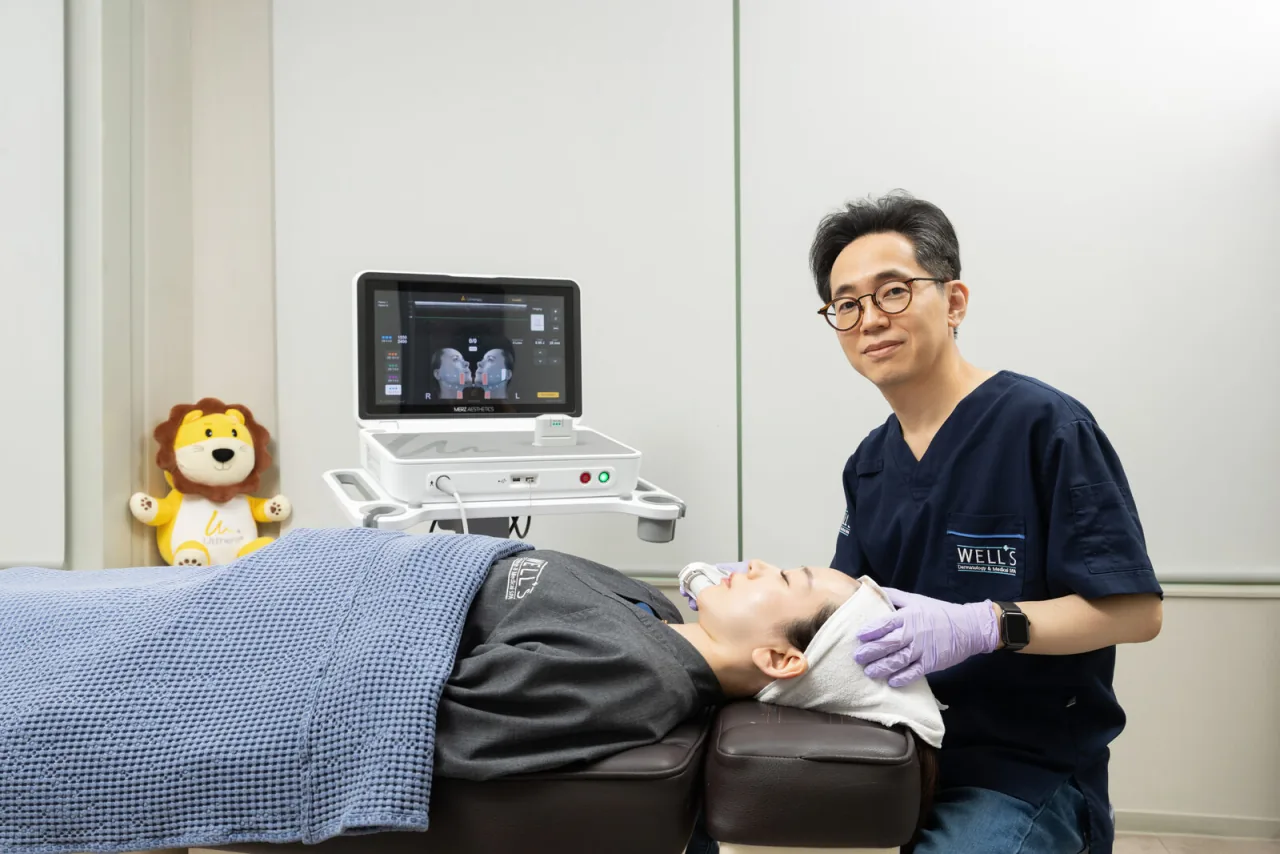
A korea facial at a dermatology clinic is a medical treatment, such as a laser or a skin-booster injection. It can improve your skin, but it carries real effects like redness and swelling, so timing it before your flight matters.
Send a clear photo and your travel dates, and we will tell you what fits the time you have in Seoul.
Send your photos and flight dates on WhatsAppUsually one device or one injection aimed at one problem. The steam, extraction and sheet mask of a spa facial are a separate service, gentler, and unable to treat broken capillaries or melasma.
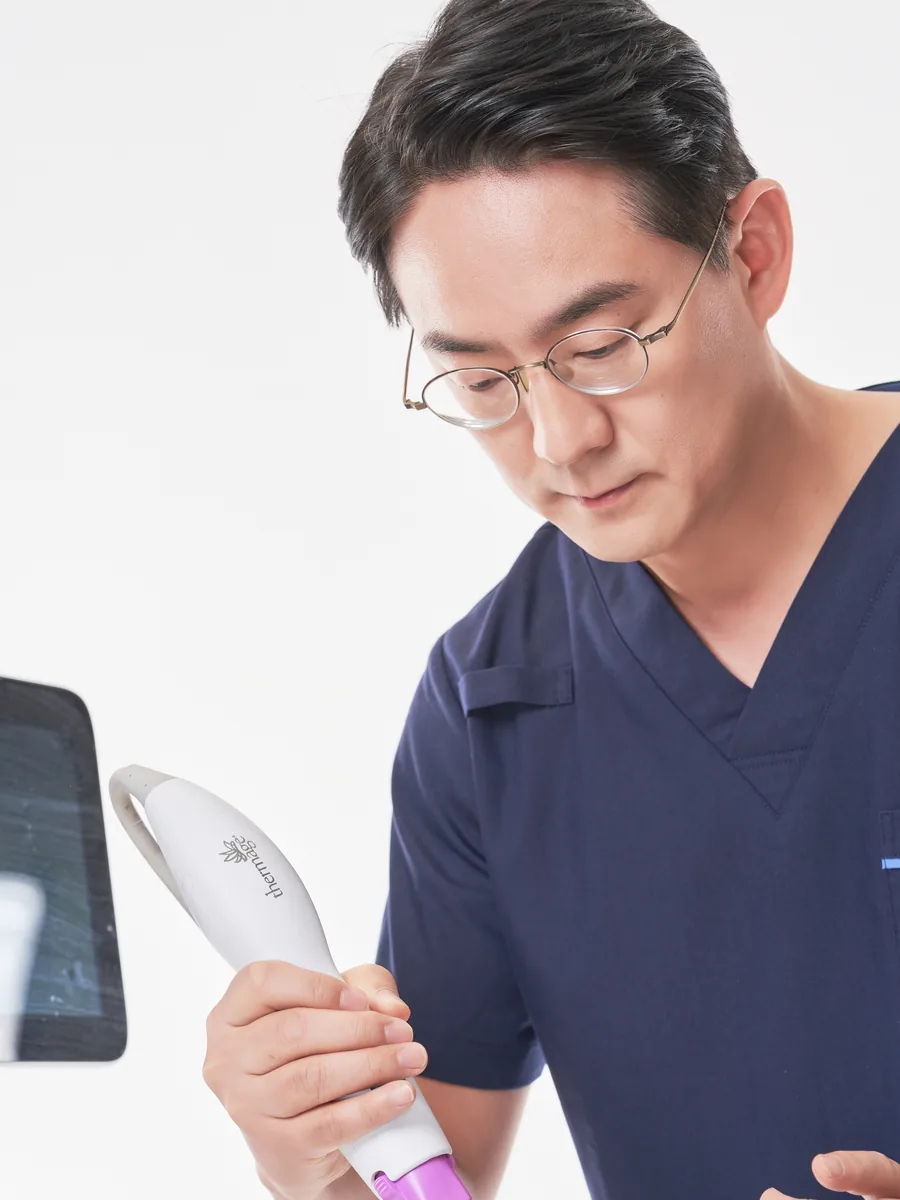
At WELLS the menu that people loosely call a "facial" breaks down by concern:
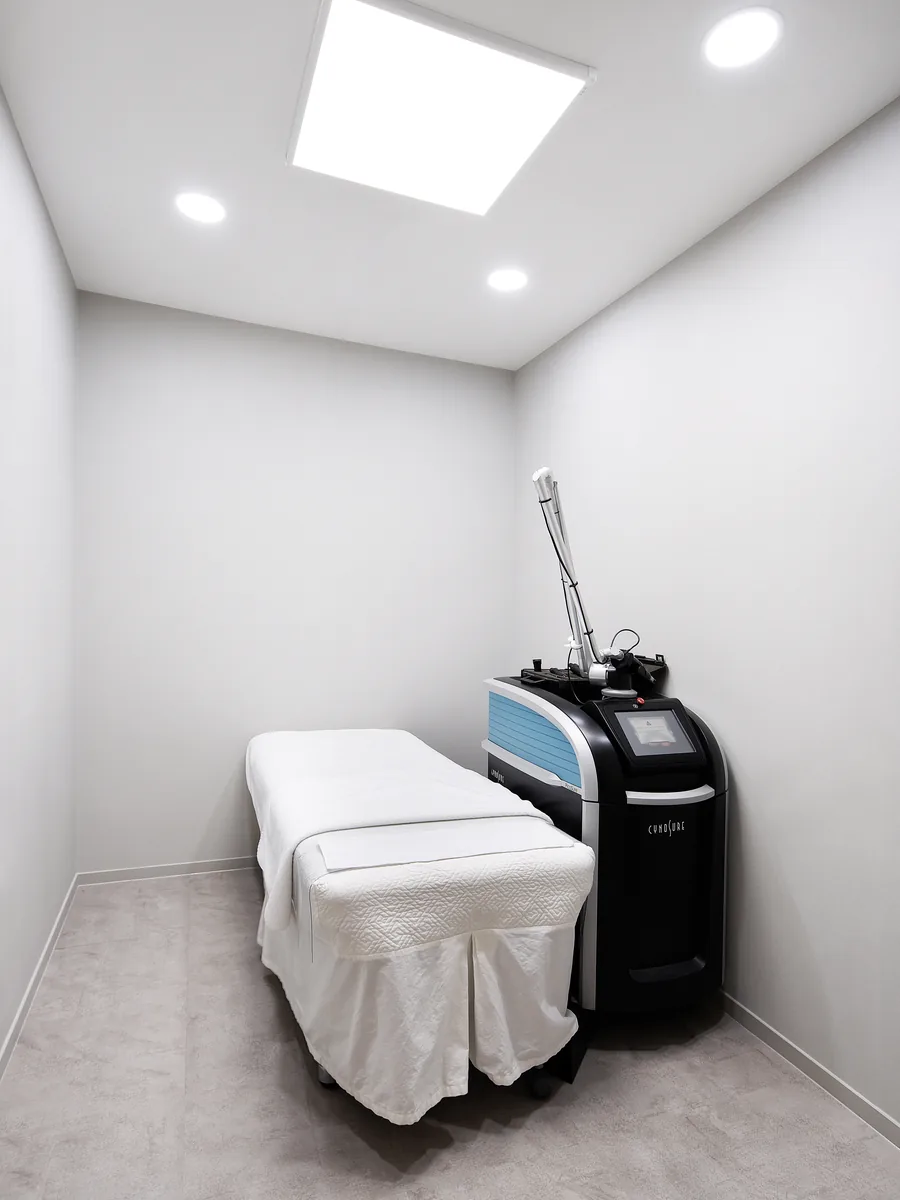
- Redness and visible capillaries: vascular lasers (Synergy, Clarity and BBL), which target the enlarged vessel while leaving normal tissue alone.
- Freckles, sun spots and stubborn pigment: PicoSure Pro and BBL. Our post on treating age spots with the right laser explains why diagnosis comes before the device.
- Texture, pores and acne scars: microneedle radiofrequency such as Potenza and Genius RF.
- Dull, dehydrated skin: the Rejuran HB+ skin booster, covered in more depth in how we choose PDRN for dry skin.
Each of these has its own side effects and its own recovery, which is why "I'd like a Korean facial" is the start of the conversation, and the treatment name comes later.
Where the "glass skin in one visit" idea comes from
Mostly from videos filmed within hours of treatment. Right after a booster or a hydrating procedure, skin looks plump and reflective partly because of mild swelling and water in the upper layers. That look settles over the following days.
Changes in vessels and pigment take longer. The American Academy of Dermatology notes that people treating visible blood vessels with lasers or lights usually need one to three sessions, spaced three to four weeks apart. Treated vessels don't come back, but new ones can form, so redness-prone skin may need maintenance over the years.
There is a kernel of truth in the glass-skin promise. A single session can leave skin noticeably calmer or brighter. What it rarely does is finish a problem that took years to build, and mild flushing can sometimes be managed with medication or skincare instead of a laser at all.
Common, temporary effects: redness, swelling, flaking
Most people see some redness, and it usually passes. According to the AAD, redness after rosacea laser treatment usually fades within two weeks, and purple or red spots, when they appear, typically clear in one to two weeks. Lighter settings often mean shorter recovery.
| Effect | How it usually shows | What usually helps |
|---|---|---|
| Redness and warmth | Hours to several days, longer after stronger settings | Cool compresses, a plain cleanser, no acids or retinoids |
| Swelling | Most visible around the eyes and the morning after | Sleeping with your head raised, skipping alcohol and saunas |
| Pinpoint marks or small bruises | After injections or microneedling | Leaving them alone; they fade on their own |
| Darker spots that flake | After pigment lasers, as pigment rises and sheds | Not picking, strict sunscreen |
| Tightness and dryness | Especially on a long, dry flight | A simple moisturizer, reapplied often |
Recovery differs by device. For fractional picosecond laser, used for scars and pores, redness usually clears in three to four days. A vascular laser on the cheeks can bring purple spots that take longer, which matters if you fly out the next morning.
What decides the cost of a korea facial?
The cost depends first on the method. A vascular laser for redness, a pico laser for pigment and a skin-booster injection are different treatments with different amounts of work. It also depends on the area treated and how many sessions your skin needs, and a short trip limits how many you can fit in. Anaesthesia, the number of days you stay in Korea and any follow-up care change the plan as well. Your skin type and what you want to improve decide which of these apply to you. To get the figure for your case, ask on WhatsApp and attach a daylight photo of your face without makeup.
Less common side effects and risks to know before you book
Pigment changes, burns and infection are rarer, but they're the ones that follow you home. The main ones:
- Darkening of the skin after inflammation (post-inflammatory hyperpigmentation). It is more likely in medium to darker skin and with sun exposure in the weeks after treatment. The AAD's guidance on melasma stresses how strongly sunlight can darken pigment again.
- Blisters or burns from too much energy for the skin. The AAD says scarring is rare in skilled hands, but it isn't zero.
- Cold-sore flares after laser or microneedling around the mouth in people who get them.
- Acne or rosacea flares from heavy aftercare products or heat.
- Infection after any treatment that breaks the skin.
The travel part adds its own layer. The U.S. CDC's medical tourism advice points out that care for a complication after you return may not be covered by your insurance, and recommends taking copies of your records home. Ask for the device name and settings in your notes before you leave Seoul so a dermatologist at home knows what was done.
Who should postpone a facial treatment in Seoul?
Anyone with an active skin infection, a fresh tan or sunburn, or a pregnancy should usually wait. Several other situations call for a conversation first:
- Pregnancy or trying to conceive: many laser and injection treatments are deferred, and Air NOX sedation is not suitable in early pregnancy.
- A cold sore, impetigo or inflamed cysts in the area to be treated.
- Fillers (including PLLA, covered in our PLLA filler trip-planning guide), threads or lifting in the same area recently; bring the product or device name and the date.
- A tendency to keloid scars.
- An itinerary of beaches, hiking or skiing in the days after treatment.
Skin reacts differently from person to person, and whether a treatment is right for you is decided at the in-person exam in Seoul. None of these points means you can't be treated later. They change which device, which setting, or which week.
If one of these lines describes you, say so in your first WhatsApp message: a daylight photo of the area plus one line about recent treatments, medication or pregnancy. With that, the reply in English can suggest options that fit your dates and point out what to plan around.
Send a clear photo and your travel dates, and we will tell you what fits the time you have in Seoul.
Send your photos and flight dates on WhatsAppHow close to your flight can a korea facial be?
Put the strongest treatment early in the trip and the gentlest near the end. A redness-prone face treated with a vascular laser on your last afternoon may still show spots on the plane; the same treatment on day one has time to settle before you leave.
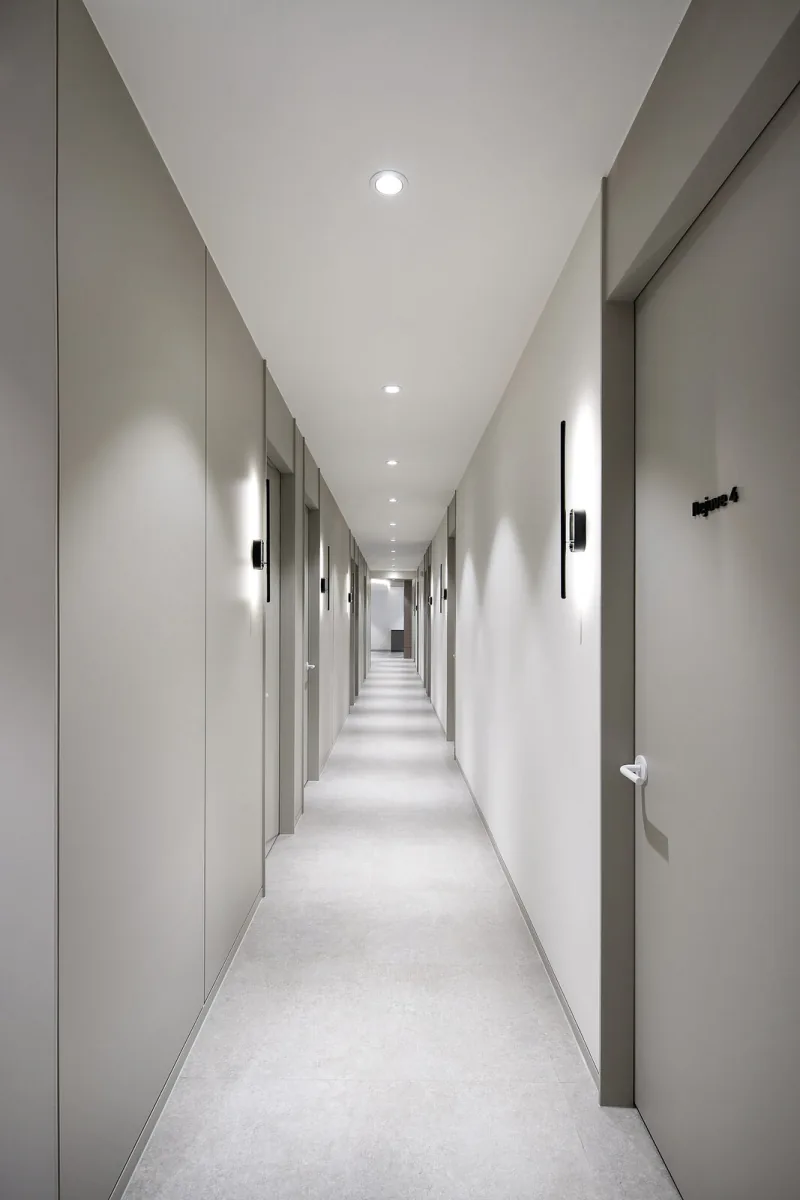
A few practical facts for planning. WELLS is on the 8th floor of the Apgujeong building at 842 Nonhyeon-ro, about five minutes on foot from Apgujeong Station Exit 3 on Line 3. Hours are Monday to Friday 10:00 to 20:00 and Saturday 10:00 to 17:00, with lunch from 13:00 to 14:00; Sundays and public holidays are closed. If you land on a Saturday evening, Monday is your first possible day.
Season matters too. Seoul's summer is hot and humid with strong sun on clear days, so autumn and winter usually make pigment and laser treatment easier. If summer is your only window, plan on SPF 30 or higher, a hat and shade, and tell the dermatologist how much of your trip is outdoors.
Say you land on a Tuesday, fly home the following Monday, and want your redness and uneven tone to look calmer for a family event. I would look at your skin first and ask how it reacts to sun and products. Then I would pick the treatment with the most downtime for the early days of your stay, so any redness or flaking settles before you fly. A gentler treatment would go closer to departure, and I would leave out anything that needs more recovery than you have. If your skin is already irritated, I might suggest waiting rather than adding a laser on top.
What one visit can't change
One session starts a change; it rarely completes one. Melasma tends to return without daily sun protection, deeper acne scars need several rounds (our guide to planning acne scar treatment around a Seoul trip covers this), and new capillaries can form after old ones are treated.
The glass-skin look also depends on what happens at home. Harsh scrubbing undoes a lot of good work; the AAD's advice on exfoliating safely is to be gentle and to skip it on sensitive or freshly treated skin. A plain cleanser, moisturizer and sunscreen for the first weeks matter more than a ten-step routine.
The simplest first message is one daylight photo of your face without makeup or filters, plus your arrival and departure dates. Send them on WhatsApp with one question: which korea facial option fits the days I have? One photo is enough, and you can ask before booking anything. When you come to the clinic, I examine your skin and recommend what fits it and your schedule, so the strongest treatment falls where your skin has time to settle before you fly.
Plan your visit before you fly
Send a daylight photo, your travel dates and what you have tried before. A dermatologist will suggest where to start and what fits your stay.
Send your photos and flight dates on WhatsAppReplies on WhatsApp · prices in KRW, excluding 10% VATBefore you message us
Is a Korean glass skin facial safe?
Treatments such as vascular lasers, pico lasers and skin boosters are widely used, but every one of them has side effects. Redness and swelling are common and short-lived, while pigment darkening, burns or infection are less common. Sun exposure afterwards and treating on a tan raise the risk.
Can I get a facial in Seoul if I have rosacea?
Often yes, but the choice of treatment matters. Visible capillaries and flushing are usually treated with vascular lasers such as Synergy, Clarity or BBL, with anesthetic cream applied beforehand and the option to focus on the nose or cheeks. Heat-heavy spa steps can make rosacea flare.
Is a spa facial in Korea enough, or do I need a dermatologist?
For relaxation and hydration, a spa facial is fine. For redness, broken capillaries, pigment, acne scars or enlarged pores, you need a medical device or injection, which in Korea is a dermatology clinic's job. A board-certified dermatologist at WELLS handles consultation, diagnosis and treatment.
What should I tell the clinic before a facial treatment in Seoul?
Mention previous treatments with the product or device and date, especially fillers, threads or lifting, plus your medications, allergies and skin conditions. Say if you are pregnant or have a respiratory condition, panic disorder or vitamin B12 deficiency, since these affect whether Air NOX can be used. Add your flight dates so treatments can be ordered around them.
How long does redness last after a laser facial?
It depends on the device and setting. After fractional picosecond laser, redness usually clears in three to four days; the AAD says redness after rosacea laser treatment usually fades within two weeks. Plan stronger treatments early in your trip.
Results and recovery vary by individual. Every treatment carries possible side effects, which are explained at the consultation. Prices are in Korean won, excluding 10% VAT, and confirmed at your consultation. This article is general information from the clinic, not a diagnosis.
Dr. Won Woo Choi
- Board-certified dermatologist in Korea; trained at Seoul National University Hospital
- Dermatology residency, Seoul National University Hospital; board certification in dermatology in Korea
- Ph.D. in Dermatology, Seoul National University
- Former clinical instructor, Seoul National University Hospital
- Adjunct professor, Department of Dermatology, Seoul National University Hospital