Seoul Dermal Filler Cost: What Raises It, and When Is Less Filler Better? Reviews, Methods and Recovery
Seoul dermal filler cost comes down mostly to how many syringes your areas need, which product each area calls for, and whether earlier filler has to be assessed first. Sometimes the right plan uses less filler than you expected.

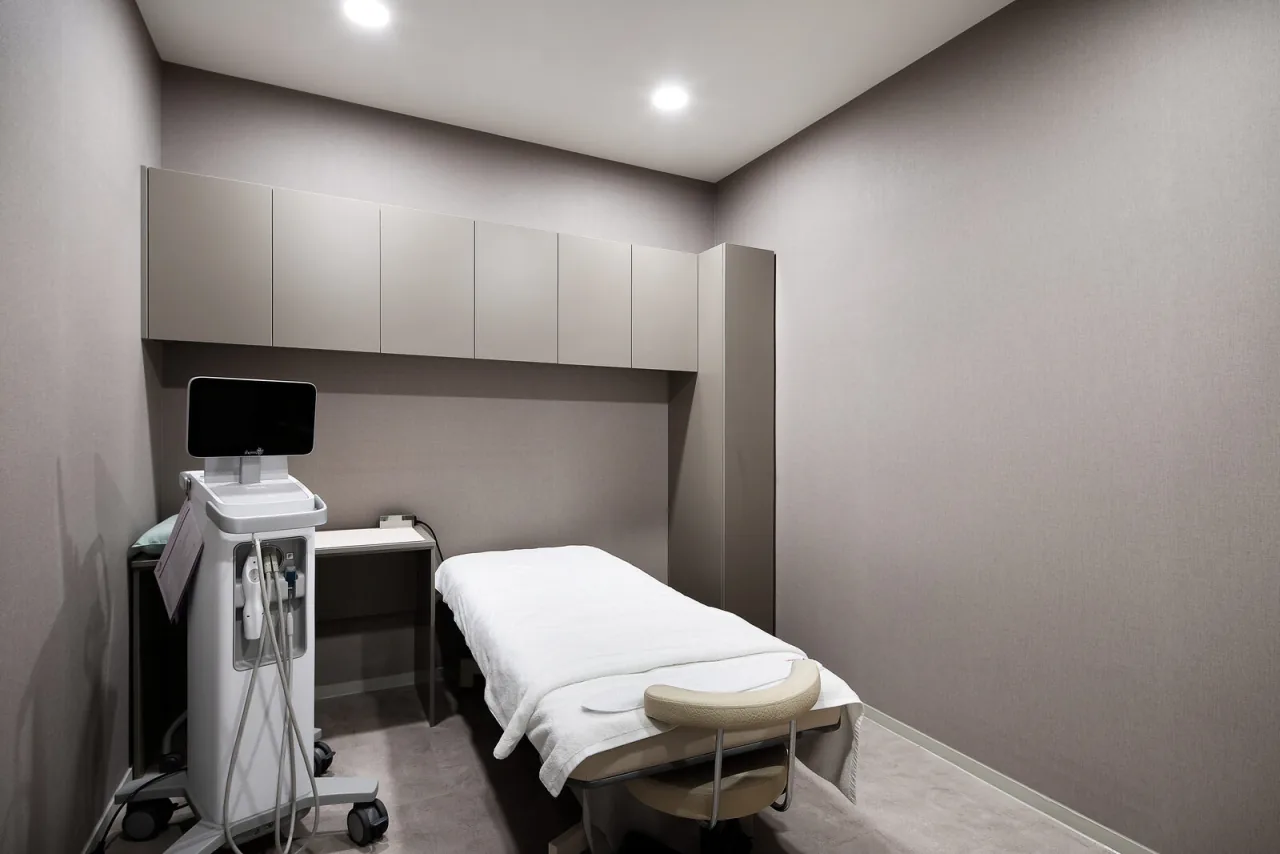
What actually decides your Seoul dermal filler cost?
Worried that the Seoul dermal filler cost you planned for will grow once you're sitting in the treatment chair?
Read this before you book the appointment, or the flight.
By the end you'll know what moves the cost of filler, which methods suit which part of the face, what reviews get right and wrong, and how much recovery time to leave before flying home. That's enough to tell which plan fits your face and your budget.
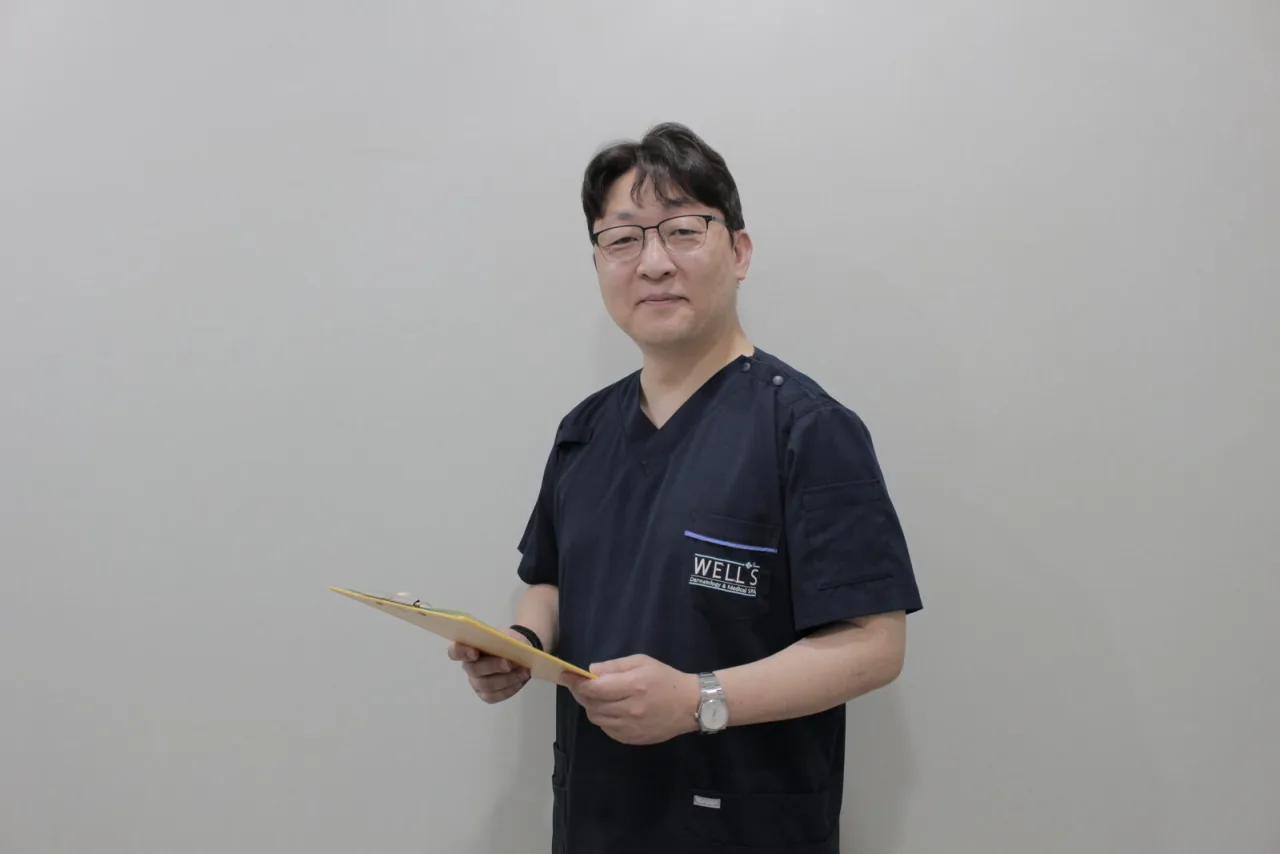
Hello, I'm Dr. Won Woo Choi, Medical Director at WELLS Clinic, a board-certified dermatologist with a Ph.D. in Dermatology from Seoul National University.
At WELLS, a dermatologist does the consultation and the injection. We confirm the product and the amount with you before treatment, and we inject with a cannula where possible. We've been in Apgujeong, our only location, since 2008.
I wrote this because the expensive mistake in filler planning usually has little to do with the price list. It happens when someone pays for volume to fix something volume can't fix, such as loose skin along the jaw or dull tone.
The short answer: in Seoul, what you pay for filler comes down mostly to how many syringes your areas need, which product each area calls for, and whether earlier filler has to be assessed first. Sometimes the right plan uses less filler than you expected, or none at all.
If you're not sure which area to start with, send one front-facing photo taken in daylight on WhatsApp and name the spot that bothers you most. One clear photo is enough to start, and you can ask before booking anything.
Send a clear photo and your travel dates, and we will tell you what fits the time you have in Seoul.
Send a daylight photo and the area you'd like to change on WhatsAppFive things move the figure. Here they are in the order they usually matter.
| Factor | What pushes it up | What keeps it down |
|---|---|---|
| Amount | Several syringes for cheeks or temples | A small correction at the chin tip |
| Product | A firmer, longer-lasting gel for deep folds | A softer gel for one fine area |
| Areas | Three or four areas in one visit | One area, done well |
| Earlier filler | Old product that has to be assessed or dissolved | A face with no previous filler |
| Add-ons | Combining with anti-wrinkle injection | Filler alone |
The amount is usually the biggest factor. Filler is generally charged by the syringe, so a face that needs volume across the mid-face needs more product than one that needs a small correction at the chin. Cheeks and temples tend to take more volume than a chin tip.
The product comes next. For nasolabial folds we use a large-particle, long-lasting filler, while thin skin such as the under-eye area generally calls for a softer gel. Firmer and finer gels are different products, and they aren't priced the same.
Earlier filler changes the plan. Hyaluronic acid filler can be broken down with an enzyme called hyaluronidase, while other filler types can't be dissolved that way; the American Society of Plastic Surgeons describes the main types. If you've had filler before, the product name and date help the dermatologist see what's already there.
Then come the smaller items that still add up: whether numbing is included, whether the figure includes VAT, and whether your trip leaves room for a review visit. Our site lists prices, and the final figure is confirmed at consultation once the dermatologist has examined you. To get a figure for your own face, ask on WhatsApp what it would cost for the specific areas you have in mind.
When more filler is the wrong answer
Changes in the face that look alike can have different causes, and the cause decides the treatment. A hollow cheek has lost volume, and filler replaces volume. A softened jawline is often loose skin, and adding gel there tends to make the lower face look heavier rather than lifted.
If your concern is laxity, an energy-based treatment may fit better than syringes; I've written separately about what sets the price of Thermage in Seoul. If it's uneven or dull tone, filler won't change it, and what a Seoul dermatologist can change with skin brightening is the more useful read. Under-eye hollows are a real filler indication, but shadows from pigment aren't, which is why under-eye filler needs its own planning.
An example: six days, a fixed budget, two areas in mind
Say you're in Seoul for six days and you'd like a little more cheek and a stronger chin, with one budget for both. If your chin looks short in profile, a small amount at the chin tip often changes the side view more than the same amount spread across both cheeks. In that case I'd start with the chin, keep the cheeks for a later trip, and book the injection on your first or second day so swelling has time to settle.
If your cheeks are what you notice first in photos, the reasoning flips. Either way, the budget goes to the one area that changes how your face reads, instead of a little spread across four.
With your next message, add a side-on photo taken in daylight and, if you've had filler before, the product name and roughly when. Then ask the one question that protects your budget: which single area would you start with?
Send a clear photo and your travel dates, and we will tell you what fits the time you have in Seoul.
Send a daylight photo and the area you'd like to change on WhatsAppWhich filler methods suit which part of the face?
Our dermatologists have over fifteen years of filler experience, and we inject with a cannula where possible. A cannula is blunt-tipped, which lowers the risk of vessel damage that comes with a standard sharp needle. It lowers that risk without removing it, and bruising can still happen.
Each area has its own aim:
- Forehead: volume balanced so the face doesn't look larger.
- Under the eyes: hollows treated with filler instead of surgery.
- Nasolabial folds: a large-particle, long-lasting filler.
- Chin: the tip refined for a slimmer face shape.
- Cheeks: volume placed to suit your features.
Combining filler with anti-wrinkle injection can extend the result. That second product is a separate line on the bill, so it's worth asking whether muscle movement is really part of your concern before adding it. Before treatment we also run a 3D analysis of the face.
We don't use unnecessary sleep anesthesia. For filler you stay awake, which also means you can see the product and talk through the amount as it goes in.
What do filler reviews get right and wrong?
Review threads about getting filler in Korea repeat a handful of claims. Some hold up and some don't.
“The swelling was gone the next day.” That can happen with a small amount. More often swelling and bruising last several days, and bruising can take one to two weeks to clear.
“Filler done in Korea looks more natural.” How filler looks comes from the amount and where it's placed. The country it was injected in doesn't decide that.
“Filler lasts for years.” The American Academy of Dermatology describes fillers as temporary, and how long a result lasts varies with the product and the area. Plan for upkeep if you like the result.
“A cannula means no bruising.” It lowers the risk; it doesn't remove it.
“A lower price per syringe means a lower bill.” Not if the plan uses more syringes than your face needs. The total follows the amount, and the amount follows the diagnosis, which is why the Seoul dermal filler cost for two people with the same budget can look very different.
How long is recovery before you fly home?
The injection itself fits into one visit. What takes longer is the swelling and any bruising, which can take 7 to 14 days to settle fully. For many people the first two or three days are the most swollen.
That's why I'd book filler early in your trip. Our weekday hours are 10:00 to 20:00 with a lunch break from 13:00 to 14:00, and Saturdays run 10:00 to 17:00. We're closed on Sundays and public holidays, so if you land on a Saturday night, your first possible visit is Monday.
For the first day or two it's generally wise to skip saunas, hard exercise and alcohol, and not to press or massage the area unless you're told to. Many people fly within a few days of filler; ask the dermatologist about your own timing, especially if a large amount was placed.
Risks and side effects to know
Common and temporary: swelling, redness, tenderness, bruising and small lumps you can feel, which usually settle within one to two weeks. Less common: infection, firm nodules, or filler shifting from where it was placed.
Rare but serious: filler entering a blood vessel, which can block blood flow to the skin and, in rare cases, affect vision. The U.S. Food and Drug Administration lists these among the risks of dermal fillers.
Tell the dermatologist, and expect the answer may be to wait or change the plan, if you have an active skin infection or cold sore near the area, are pregnant or breastfeeding, have reacted to filler or lidocaine before, or take blood-thinning medication. Results and recovery differ from person to person, and the in-person examination decides whether filler suits you.
After you fly home, severe or increasing pain, skin turning pale, grey or dusky, or any change in vision after filler needs urgent medical care where you are, the same day. Keep a note of the product and amount injected before you leave Seoul. The CDC's medical tourism guidance also recommends taking copies of your records and arranging follow-up care at home before you travel.
Korean hair loss treatment: what a Seoul dermatologist offers, and PRP go further into what usually comes next.
Before you message: what to send
Your travel dates and the one or two areas you're considering are all a first message on WhatsApp needs. Add the question you most want answered, such as how many syringes those areas usually take, and ask before you book anything. When you come in, a dermatologist examines your face, runs the 3D analysis, and recommends the product and amount that fit what you want to change.
Plan your visit before you fly
Send a daylight photo, your travel dates and what you have tried before. A dermatologist will suggest where to start and what fits your stay.
Send a daylight photo and the area you'd like to change on WhatsAppReplies on WhatsApp · prices in KRW, excluding 10% VATBefore you message us
Is filler in Seoul charged per syringe?
Usually, yes. Filler is generally charged by the syringe, which is why the number of areas and the product matter most. Ask whether numbing and VAT are included in the figure you're given; at WELLS prices are confirmed at consultation.
What if I already have filler from a clinic at home?
Bring the product name and date if you have them. Hyaluronic acid filler can be dissolved with an enzyme when needed, while other filler types can't, so the dermatologist needs to see what's there before planning more.
Can I combine filler with anti-wrinkle injection on the same trip?
They can be combined, and combining can extend the result. It adds a second product to the bill, so it makes most sense where muscle movement is part of the problem.
How many days before my flight should I get filler?
Swelling and bruising can take 7 to 14 days to settle, so booking filler early in your trip gives your face the most time before you fly.
Will I be sedated for filler?
No. WELLS doesn't use unnecessary sleep anesthesia, and you stay awake for filler. Ask at your visit how the area will be numbed.
Results and recovery vary by individual. Every treatment carries possible side effects, which are explained at the consultation. Prices are in Korean won, excluding 10% VAT, and confirmed at your consultation. This article is general information from the clinic, not a diagnosis.
Dr. Won Woo Choi
- Board-certified dermatologist in Korea; trained at Seoul National University Hospital
- Dermatology residency, Seoul National University Hospital; board certification in dermatology in Korea
- Ph.D. in Dermatology, Seoul National University
- Former clinical instructor, Seoul National University Hospital
- Adjunct professor, Department of Dermatology, Seoul National University Hospital